Botswana Signals Strategic Shift, Plans Moscow Embassy and Opens Mining Cooperation with Russia
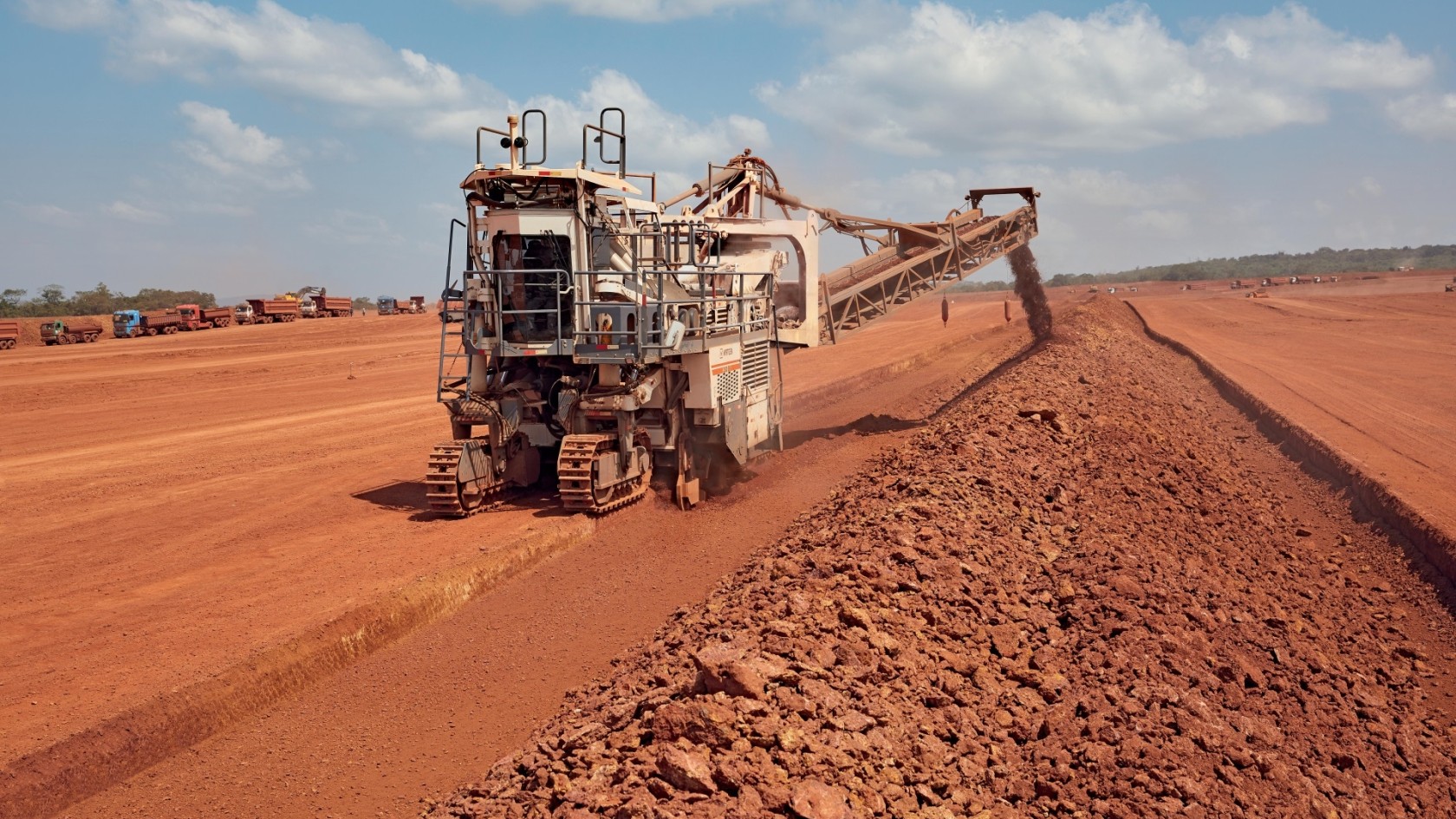
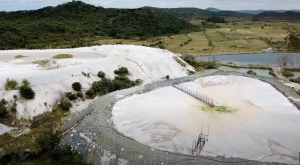
The open pit mine where the diamond was found. It’s the largest uncovered in over a century.
Botswana has announced plans to open an embassy in Moscow and is actively encouraging Russian investment in its mining sector, with a particular focus on diamonds and rare earth elements, marking a notable deepening of ties between Gaborone and Moscow.
The announcement was made by Botswana’s foreign minister, Phenyo Butale, in comments reported by Russia’s state-owned TASS. The move comes as Russia intensifies efforts to expand its economic and diplomatic footprint across Africa, amid strained relations with Western countries.

“We firmly believe that Botswana is the best place for investment, considering its political and economic stability. Therefore, we strongly encourage Russian investors to come to Botswana,” Butale said.
Mining at the Centre of Engagement
Mining remains the cornerstone of Botswana’s economy, with diamonds contributing roughly one-third of national revenues and about 75% of foreign exchange earnings. The country is already one of the world’s leading diamond producers and is seeking to diversify its minerals portfolio, particularly into critical and rare earth minerals that are increasingly vital to global energy-transition technologies.
By inviting Russian participation, Botswana appears to be broadening its investor base beyond traditional Western partners, while leveraging its reputation for political stability, regulatory predictability, and established mining governance.
Russia’s Strategic Interests in Africa
For Moscow, Botswana represents an attractive partner. Russia has publicly identified Africa as a priority region for resource cooperation, technology transfer, and geopolitical alignment, especially in sectors such as mining, energy, and infrastructure.
Russian mining giant Norilsk Nickel, the world’s largest producer of palladium and high-grade nickel, already has historical exposure to Botswana. In 2021, Norilsk Nickel settled a long-running dispute with the government of Botswana and BCL Group related to a transaction involving the sale of its African assets to BCL, clearing a key legal overhang.
While no specific projects or investment commitments were announced, analysts note that Russian firms could bring technical expertise in deep mining, metallurgy, and processing, particularly relevant to rare earth development, which remains capital- and technology-intensive.
Implications for Botswana’s Mining Sector
Botswana’s decision to establish a diplomatic presence in Moscow signals a more diversified foreign policy and investment strategy, at a time when competition for access to critical minerals is intensifying globally. For the mining sector, the move could unlock new sources of capital, technology, and downstream partnerships, especially in mineral beneficiation and processing.
For MiningFocus Africa, the development underscores a broader trend: African mineral-rich states are increasingly asserting strategic autonomy, engaging a wider range of global partners to maximise value from their natural resources while navigating a more fragmented geopolitical landscape.
Whether Russian involvement translates into concrete mine development or joint ventures will depend on project economics, regulatory alignment, and Botswana’s continued emphasis on transparency and national value capture.
Share this content: