From Copper to Clean Tech: China’s Electric Trucks Signal Shift in Zambia’s Mining Future
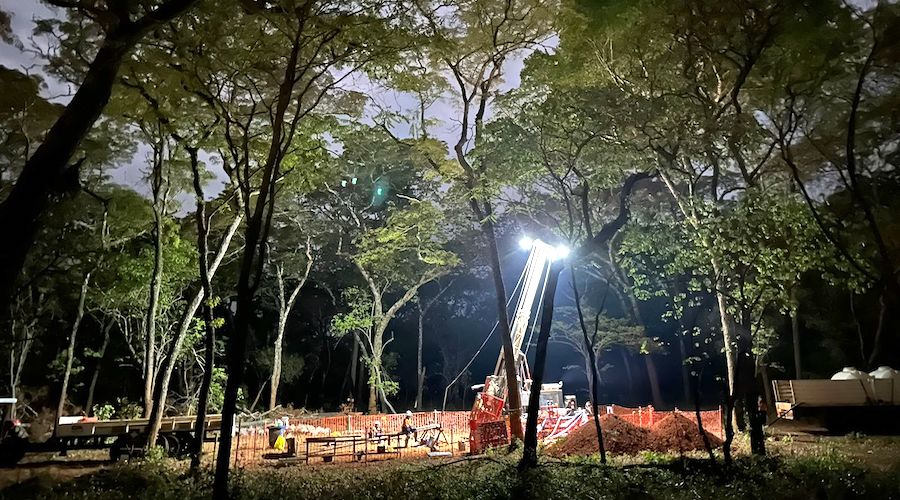
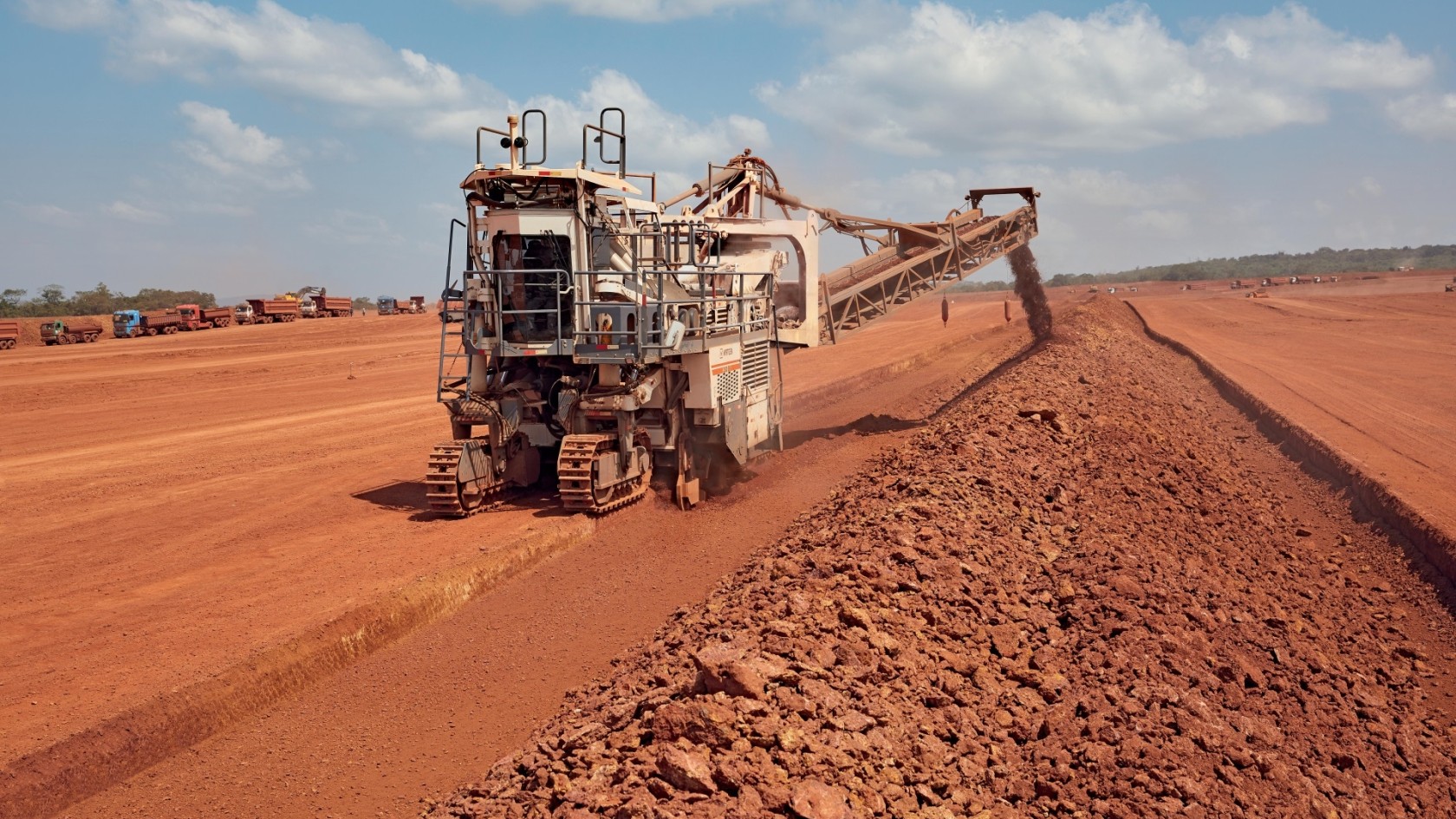
Zambia’s mineral-rich terrain is entering a new phase of transformation, not just through increased copper output, but with a bold step into cleaner mining technologies. On Sunday, China dispatched a fleet of 31 pure electric mining trucks destined for a copper mine in Zambia—marking the first large-scale deployment of its kind on the continent.
The vehicles, produced by Breton Technology, a leading Chinese innovator in green construction machinery, are set to reshape operational dynamics at the mining site managed by the China 15th Metallurgical Construction Group. Beyond the trucks themselves, Breton is rolling out a zero-carbon mining ecosystem comprising autonomous vehicles, clean energy systems, and advanced automation—ushering in an era where unmanned mining fleets may soon be standard across Africa.
Strategic Ambitions Meet Local Needs

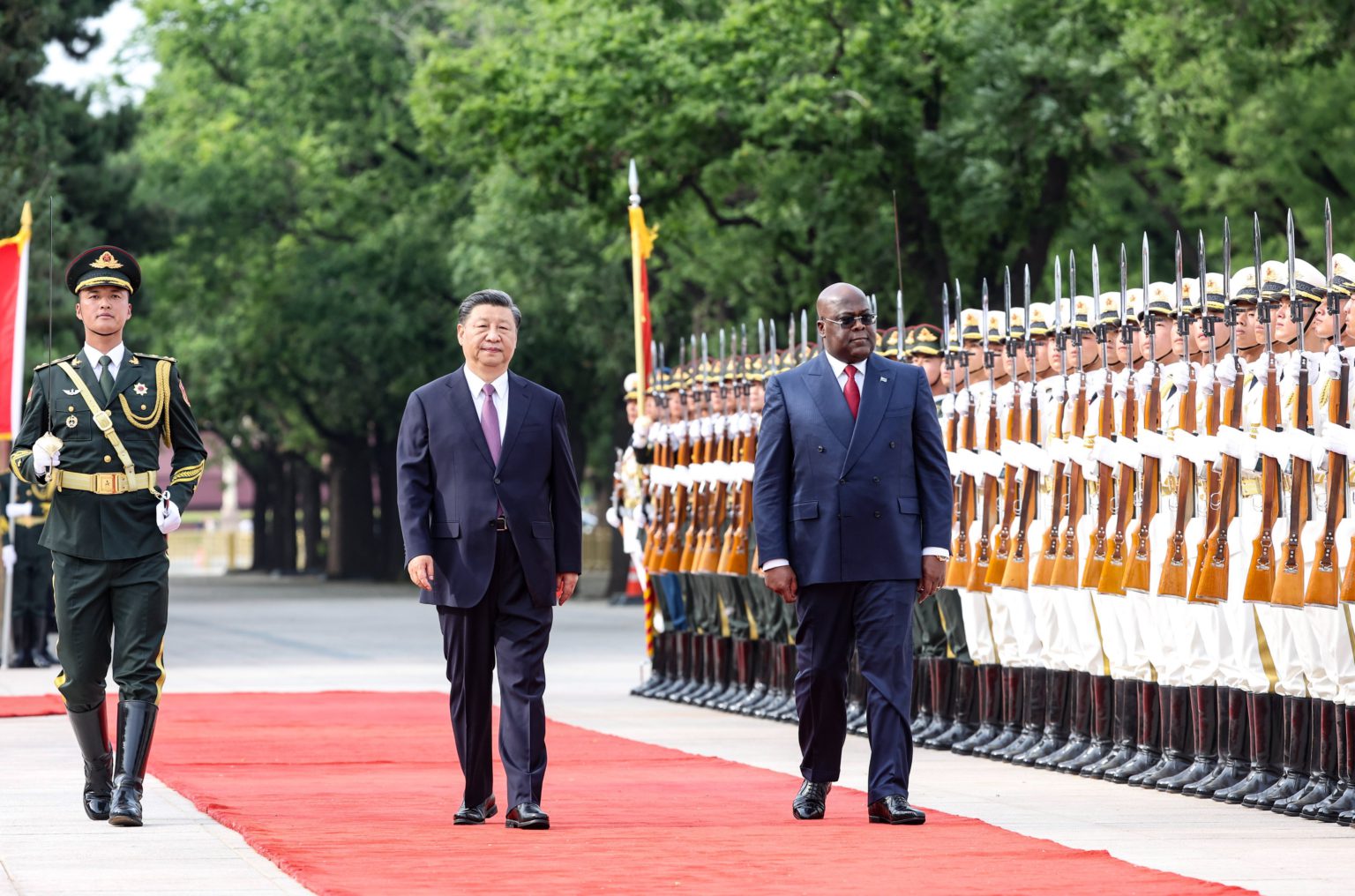
China’s long-standing engagement with Zambia’s mining sector is receiving renewed momentum, backed by a $5 billion investment pledge through 2031. This infusion comes amid Zambia’s efforts to scale copper production to over 1 million metric tonnes in 2026, with further expansion projected.
The arrival of these electric trucks reflects:
- A push toward low-emission mining in response to climate pressures
- An effort to modernize extractive infrastructure while increasing output
- China’s strategic interests in securing copper for global green transitions
Environmental Questions on the Horizon
While this leap toward electrification is noteworthy, it arrives against the backdrop of renewed scrutiny. In early 2025, a catastrophic toxic spill from the Sino-Metals Leach Zambia copper mine released 50 million litres of acidic waste into tributaries of the Kafue River, polluting waterways 100 kilometers downstream. The incident has sharpened calls for stronger environmental governance, particularly around foreign-led extractive operations.
This juxtaposition—green technology on one hand, environmental lapses on the other—highlights the need for holistic sustainability frameworks that bind innovation to accountability.
Rethinking Mining for Africa’s Future
As Zambia pivots toward greater output and modernized equipment, the integration of electric fleets could serve as a catalyst not just for productivity, but for policy reform. Key priorities include:
- Environmental regulation enforcement to prevent future contamination
- Alignment of mining operations with national climate adaptation goals
- Incentives for local research and training in autonomous and clean energy technologies
The narrative unfolding in Zambia has regional resonance. It mirrors the broader challenge African nations face: harnessing resource wealth for development, while safeguarding ecosystems and communities.
Closing Insight
Electric mining trucks might roll into Zambia as technological marvels, but their real value lies in what they could represent—a reimagined mining sector that’s cleaner, smarter, and more attuned to local needs. For investors, policymakers, and innovators watching Africa’s growth story, Zambia’s new convoy is more than a fleet—it’s a statement
Share this content: