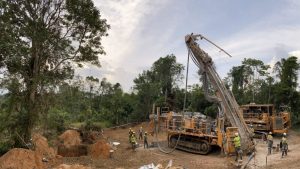
Zambia’s Growth Trajectory: A Strategic Comeback Rooted in Copper, Agriculture, and Solar Resilience
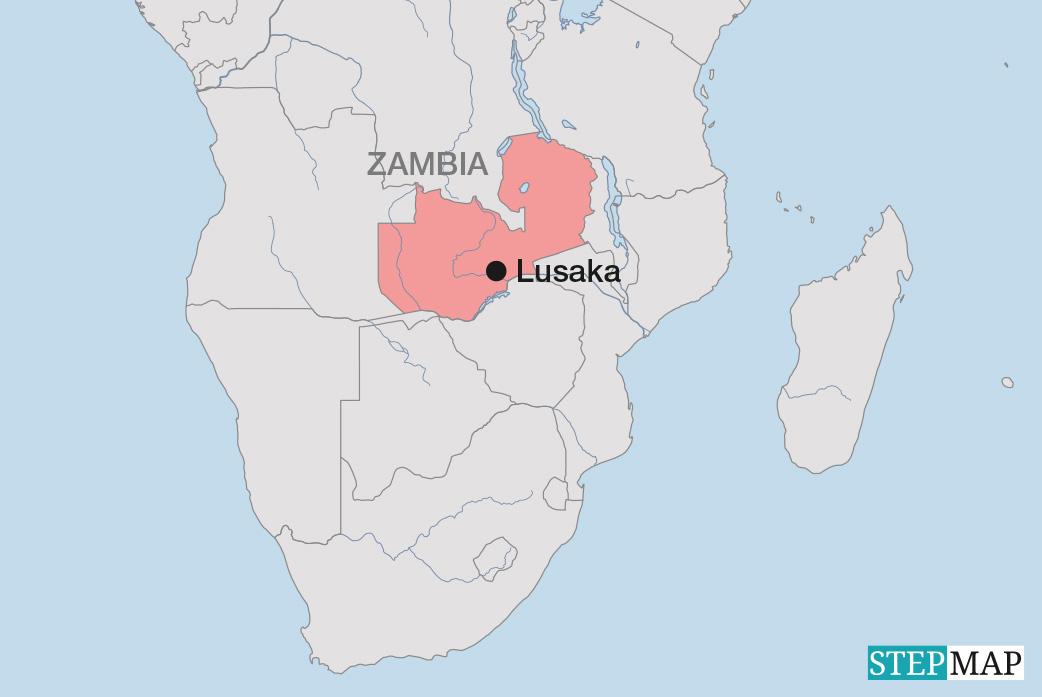
After navigating the triple pressures of drought, debt restructuring, and volatile global markets, Zambia is setting the stage for a robust economic resurgence. According to the Ministry of Finance’s medium-term budget plan, the economy is projected to grow at 6.4% in 2026, up from 5.8% in 2025—powered by mineral expansion, strategic agricultural shifts, and a bold rethinking of energy resilience.
Mining Momentum: Copper as Catalyst
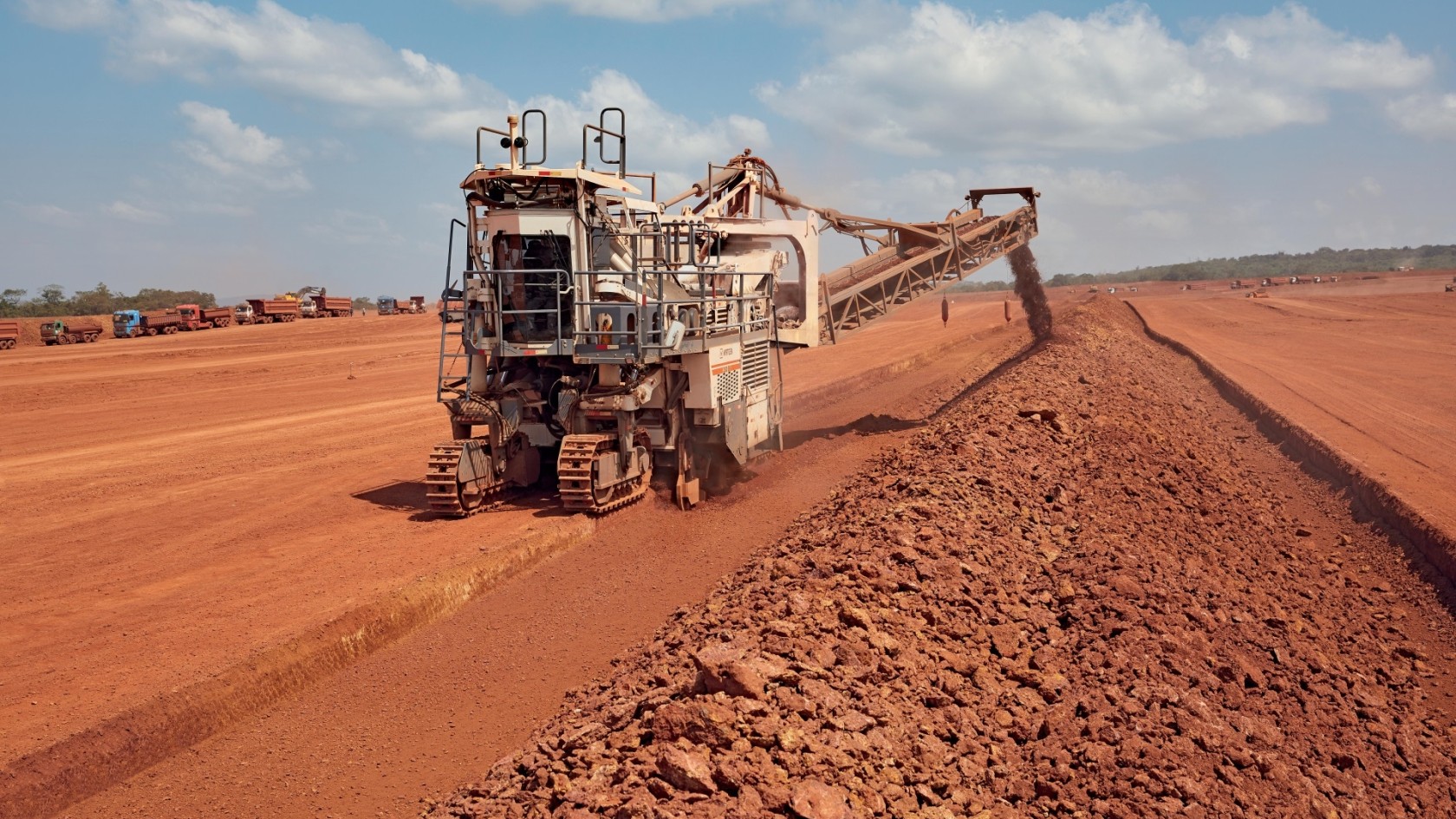
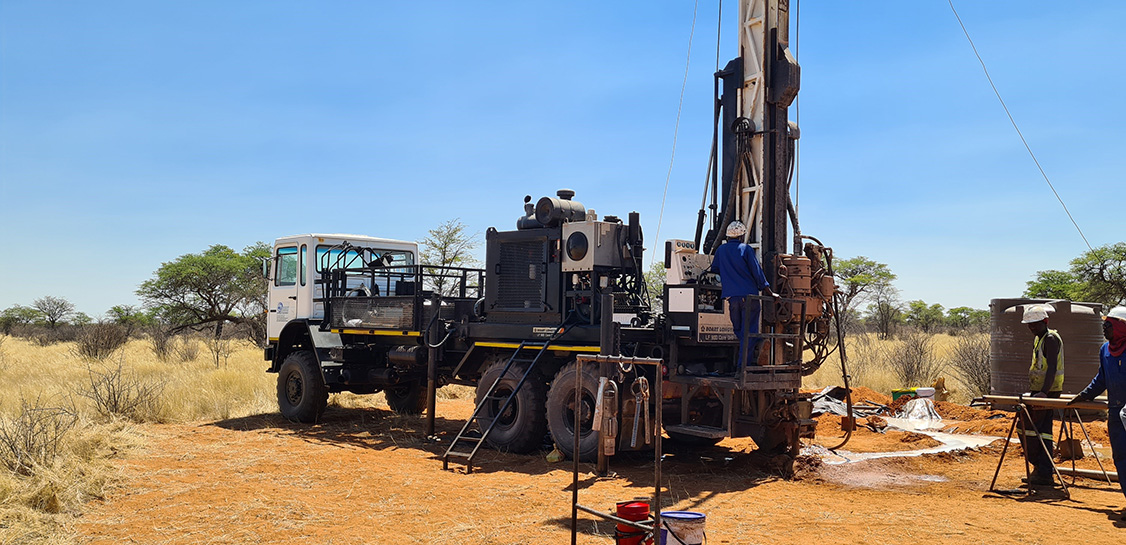
Zambia’s renewed mining ambitions form the core of its economic vision. With copper output projected to reach just over 1 million metric tonnes in 2026 and scale up to 1.3 million tonnes by 2028, mining investments are signaling long-term industrial confidence:

- First Quantum Minerals has completed a $1.25 billion expansion at Kansanshi and Enterprise nickel mines—strengthening Zambia’s critical mineral portfolio.
- Barrick Mining Corp’s $2 billion push to double Lumwana’s output and extend its lifecycle to 2057 is testament to copper’s strategic relevance in global energy transitions.
These moves position Zambia not only as a major exporter, but also as a potential hub for value-added mineral processing—a leap towar
Agricultural Recovery: Climate-Conscious Productivity
Agriculture, the backbone of rural livelihoods and food security, is rebounding from the drought’s economic blow. The government’s renewed focus emphasizes:
- Scaling climate-smart innovations and adaptive crop varieties
- Strengthening irrigation systems to buffer seasonal unpredictability
- Boosting agro-processing to create domestic value chains and reduce post-harvest losses
The linkage between agriculture and energy is particularly critical, as agro-industries depend on consistent power—a constraint magnified by reduced hydropower during the drought period.
Solar Surge: Redesigning Zambia’s Energy Map
With hydropower generation strained, Zambia is pivoting toward solar energy expansion—a shift that could redefine power accessibility in rural zones and stabilize supply for industries. This energy diversification will be essential not only for immediate recovery but for long-term sustainability across sectors.
Forward View: Opportunities and Policy Imperatives
Zambia’s current growth path suggests more than just recovery—it signals the potential for structural transformation. Yet realizing this requires:
- Accelerated policy implementation around energy infrastructure, land access, and investment incentives
- Deeper integration of mining and agriculture into regional trade corridors
- Continued focus on resilience building—from climate adaptation to instituted reforms.
Final Thought
Zambia’s comeback story is more than numbers. It’s an unfolding narrative of resilience, strategic resource use, and bold investment—one that offers lessons and leverage points for the continent’s broader development agenda. For stakeholders watching the intersection of policy, sustainability, and innovation, Zambia is charting a path well worth following.
Share this content: