Zambian Farmers File Landmark $80 Billion Lawsuit Over Copper Mine Spill
Lusaka, Zambia — In what may become one of the most consequential environmental legal battles in Zambia’s history, a group of farmers has filed an $80 billion lawsuit against two Chinese-linked mining companies, accusing them of causing an ecological disaster that has devastated communities across the Copperbelt region.
The lawsuit, submitted to the High Court in Lusaka by 176 subsistence farmers representing roughly 300,000 affected households, targets Sino Metals Leach Zambia and NFC Africa Mining—subsidiaries of Chinese state-owned enterprises.
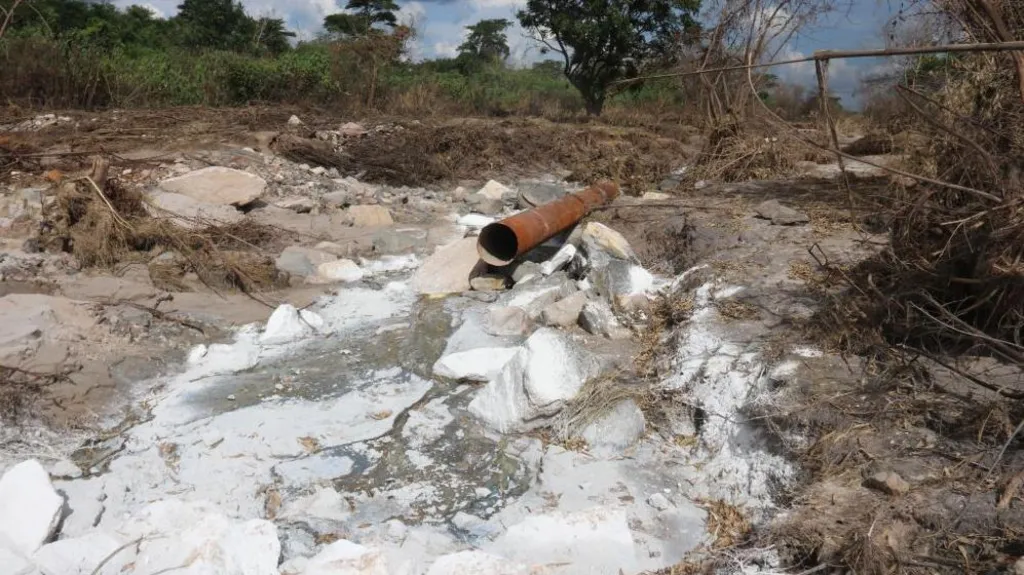
The farmers allege that the collapse of a tailings dam in February unleashed millions of litres of highly acidic waste into local waterways, killing fish, contaminating drinking water, and destroying crops.

Court documents detail how the toxic spill went undetected for days, during which time villagers unknowingly consumed and used the contaminated water. Symptoms reported include blood in urine, chest tightness, and other serious health issues. Even wells, traditionally considered safe, were found to be polluted, and entire harvests had to be destroyed due to contamination.
The plaintiffs are demanding that the companies deposit $80 billion into a government-managed account to cover environmental restoration and full compensation. They are also calling for an emergency fund of $20 million to provide immediate relief, including medical support and environmental assessments.
Sino Metals Leach Zambia has acknowledged the incident, stating that approximately 50,000 cubic metres of waste were released and that the breach was contained within hours. However, the farmers argue that the damage was already done and that the response was neither timely nor sufficient.
The disaster has drawn international attention. In August, the U.S. Embassy issued a health alert warning of widespread contamination of water and soil. It later withdrew personnel from Kitwe and surrounding areas, citing concerns that airborne contaminants from the spill could pose additional health risks.
Despite mounting concerns, the Zambian government has sought to reassure the public. Government spokesperson Cornelius Mweetwa stated that there were no longer serious health implications and urged against alarmism, saying there was “no need to press the panic button.”
The lawsuit alleges that the dam’s collapse was the result of engineering failures, construction defects, and poor operational oversight. If successful, it could set a precedent for environmental accountability in Zambia’s mining sector, which has long been a cornerstone of the national economy but frequently criticized for its environmental and social impacts.
As the case unfolds, it will test the strength of Zambia’s legal and regulatory frameworks and could reshape how mining companies operate in one of Africa’s most resource-rich regions.
Share this content: