West Africa’s Offshore Revival: Exploration Accelerates from Angola to the Gulf of Guinea
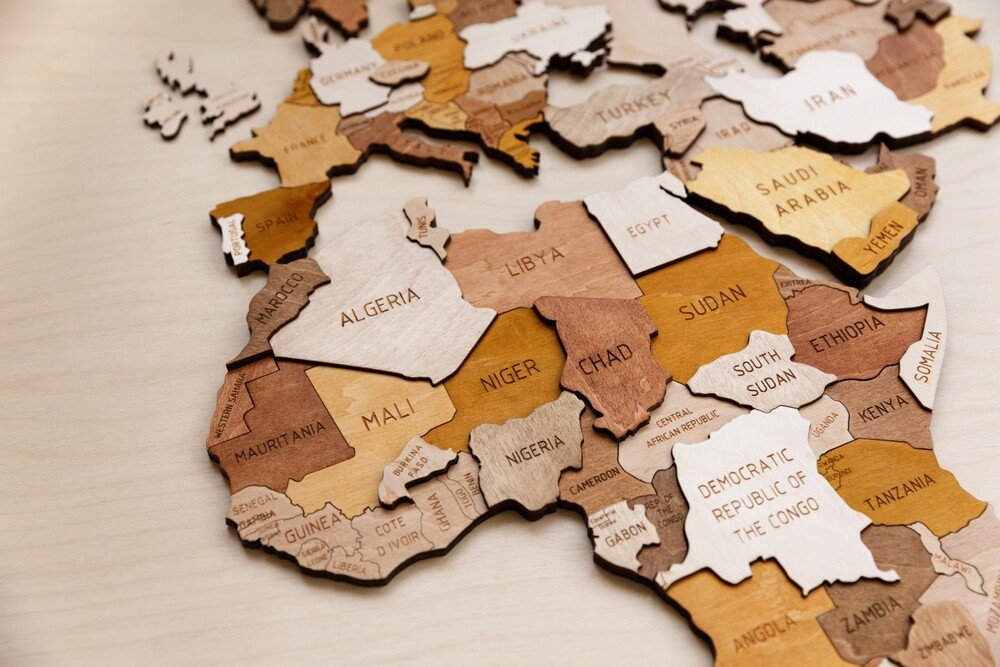
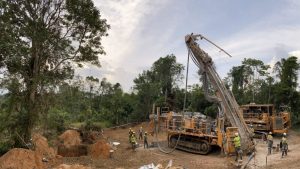
Offshore exploration across West Africa is entering a dynamic new phase, with international operators ramping up activity from Angola’s Lower Congo Basin to the deep waters off São Tomé and Príncipe. The region, long known for its hydrocarbon potential, is experiencing a resurgence as fiscal reforms, strategic partnerships, and geopolitical shifts reshape the investment landscape.
Brazilian state oil company Petrobras, which exited the region just three years ago, has returned with renewed vigor, leading a wave of exploration alongside majors like Shell, TotalEnergies, and Eni, as well as independents such as Murphy Oil and Seplat Energy. The momentum reflects a broader industry pivot toward proven basins and scalable assets, even as enthusiasm wanes for newer plays like Namibia.
Angola remains the standout performer in terms of regulatory reform and investor confidence. The country has positioned itself as a model for investor-friendly governance, with most acreage available for direct negotiation and a public tender for seven new blocks in the Kwanza and Benguela basins expected by year-end. Azule Energy—a joint venture between BP and Eni—has emerged as a key player, recently spudding its first well in Block 47 and preparing to launch the $8.2 billion Agogo oil project. Azule’s track record includes nine discoveries from 11 wells since its formation in 2022, including Angola’s first dedicated gas find, Gajajeira.

Shell, after a two-decade absence, is also returning to Angola, signaling renewed confidence in the region’s regulatory and geological prospects.
In contrast, Namibia’s early promise is being tested by political and legislative uncertainty. Despite subsurface optimism and anticipated discoveries at PEL 85, governance challenges have slowed progress. President Netumbo Nandi-Ndaitwah’s decision to dissolve the oil ministry and personally oversee the sector has created confusion among operators. Key legislation on local content and gas utilization remains delayed, and the absence of a Petroleum Regulatory Authority has further complicated investment decisions. While TotalEnergies and Petrobras continue talks over a potential farm-in to Galp’s Mopane discovery, broader project momentum is stalling.
Meanwhile, the Gulf of Guinea is heating up. Offshore São Tomé and Príncipe, Petrobras is expanding its footprint and may soon take on operatorship, while Shell is preparing to drill only the second well in the country’s Exclusive Economic Zone. In Côte d’Ivoire, Murphy Oil is set to spud its first well in November, and Eni is expected to appraise its 1.5 billion barrel Calao discovery. Ghana is advancing plans for its onshore Voltaian Basin, and Cameroon has launched a licensing round for nine blocks, with awards slated for April 2026.
Liberia, too, is back on the radar. TotalEnergies recently signed production sharing contracts for four offshore blocks, marking a significant step in reviving the country’s long-dormant oil and gas sector.
Beyond exploration, development drilling is intensifying. Nigerian independents Seplat Energy and First E&P are pushing ahead in the Niger Delta, while Ghana is fast-tracking Eni’s Eban and Akom discoveries to counter declining output.
As West Africa’s offshore sector regains momentum, the region is once again proving its strategic importance to global energy markets. With regulatory clarity, infrastructure investment, and regional cooperation, the current miniboom could evolve into a sustained era of growth and transformation.
Would you like a companion piece focused on Angola’s gas strategy or a commercial spotlight on Petrobras’s re-entry into West Africa? I can also tailor this for investor briefings or licensing round coverage.
Share this content: