Battery Minerals Boom: Africa’s Critical Role in Global Decarbonization

By Bradley Riviera
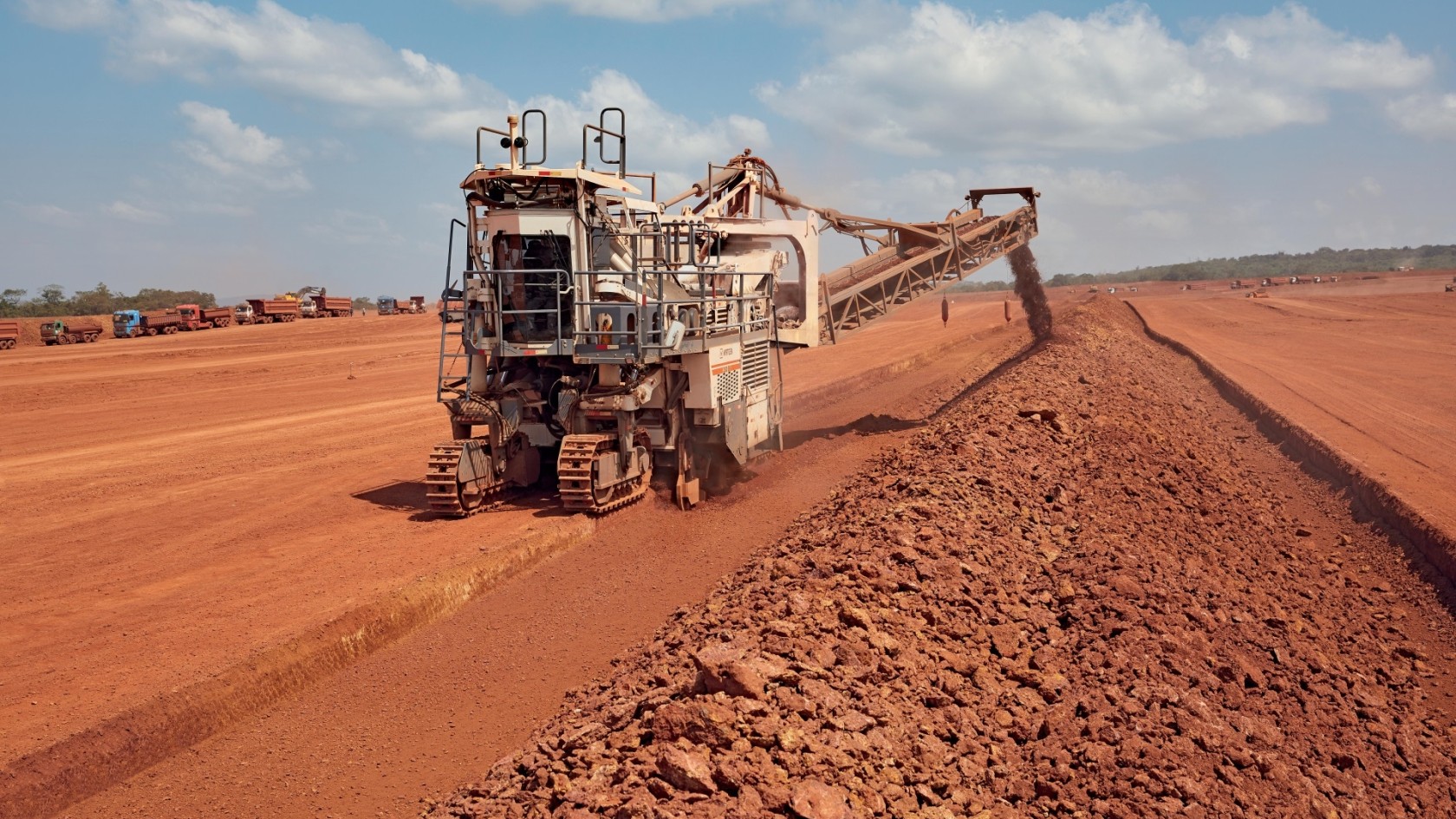
As the world races toward decarbonization, Africa is emerging as a vital supplier of the minerals that power the green economy. From cobalt and lithium to manganese and graphite, the continent holds the keys to the future of electric mobility and renewable energy storage. In 2025, global demand for battery minerals is expected to triple, and Africa’s resource-rich nations are positioning themselves to meet that surge.
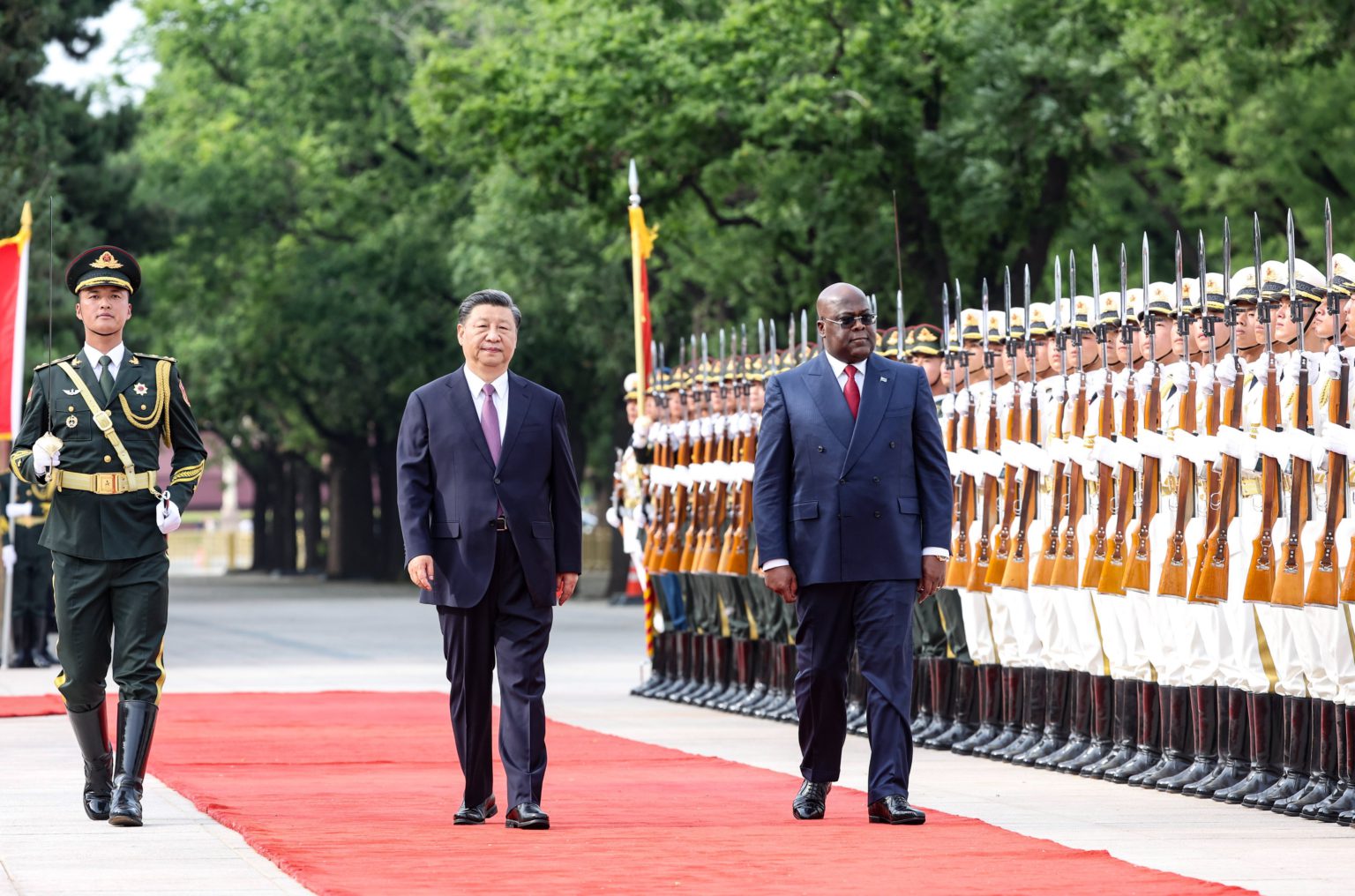
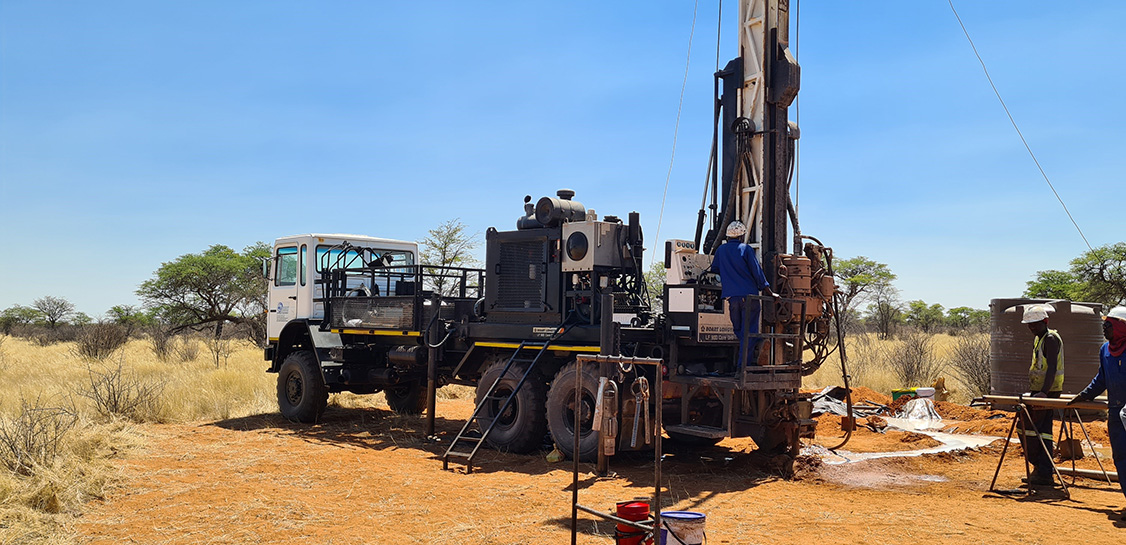
Zimbabwe, for instance, has become a focal point for lithium development. The Arcadia Lithium Project, backed by Chinese and Australian investors, secured $300 million in new funding this year, with production targets set to double by 2026. Namibia’s manganese exports rose by 28% in the first half of 2025, driven by new contracts with European battery manufacturers. Meanwhile, the Democratic Republic of Congo continues to dominate global cobalt supply, accounting for over 70% of output.

But with opportunity comes scrutiny. International buyers are demanding higher ESG standards, and African governments are responding. New sustainability benchmarks have been introduced across jurisdictions, requiring transparency in labor practices, environmental impact, and community engagement. Ghana and Zambia are leading the way with digital traceability systems that track mineral origin and ethical compliance.
The challenge for Africa is to move beyond extraction. Processing, refining, and manufacturing must become part of the continent’s value chain. Without these steps, Africa risks remaining a raw material supplier in a high-tech world. Regional initiatives like the African Battery Alliance are pushing for cross-border collaboration, aiming to build integrated supply chains that include beneficiation and innovation.
Africa’s battery minerals boom is more than a commodity rush—it’s a strategic opportunity to redefine the continent’s role in global industry. With the right policies, partnerships, and infrastructure, Africa can become not just a supplier, but a leader in the clean energy revolution.
Share this content: