Copper’s Ascent: Africa’s Strategic Role in the Energy Transition

By Bradley Riviera
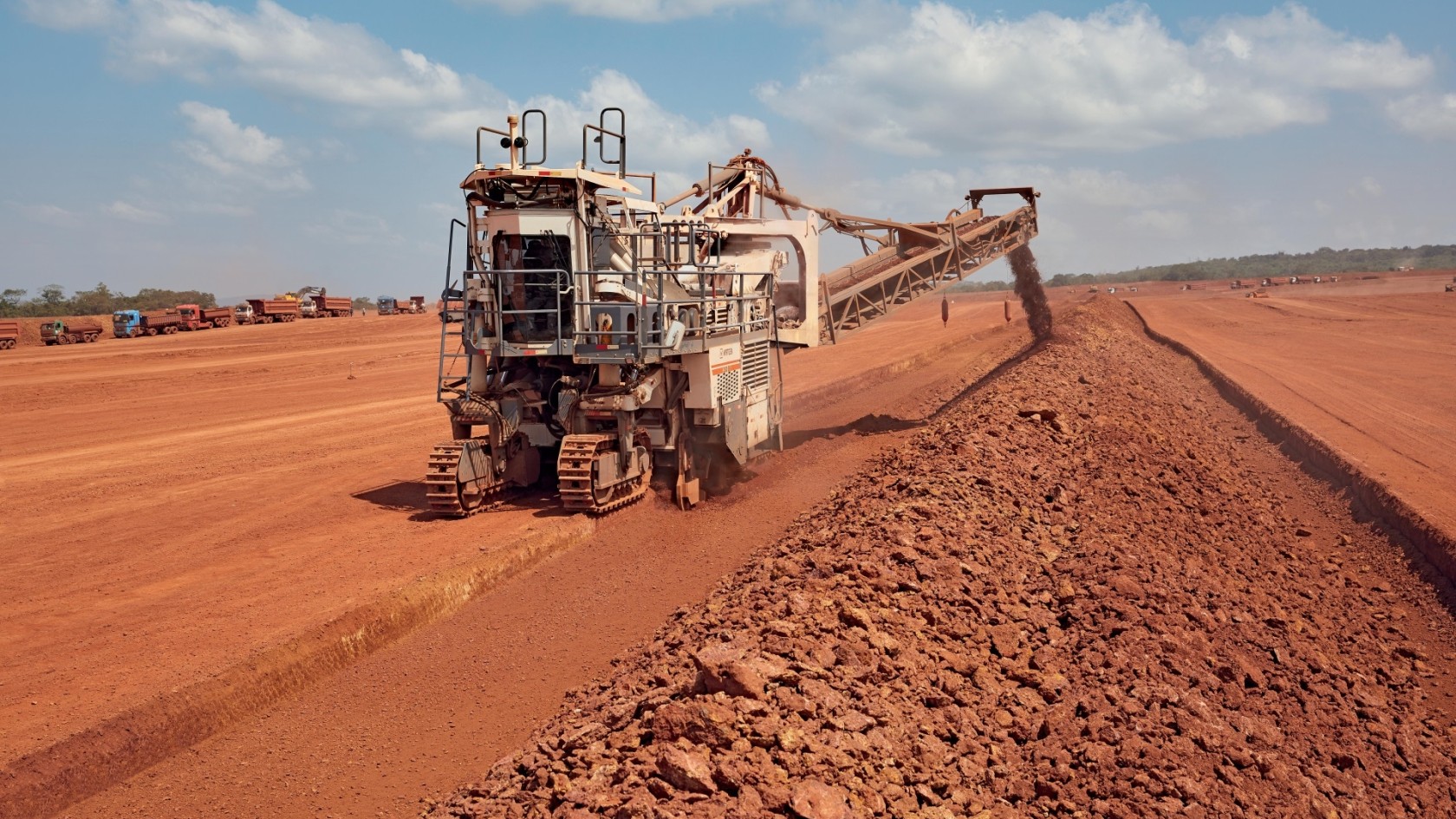
As the global energy transition accelerates, copper has emerged as a cornerstone of the new industrial age. From electric vehicles to renewable energy grids, copper’s conductivity and durability make it indispensable. Africa, home to some of the world’s richest copper deposits, is stepping into a pivotal role as demand surges and supply chains tighten.
In 2025, copper demand is projected to outpace supply by over 20%, driven by the exponential growth of electrification initiatives worldwide. Zambia and the Democratic Republic of Congo (DRC) are leading the charge, with new exploration licenses and production expansions reshaping the continent’s mining landscape.

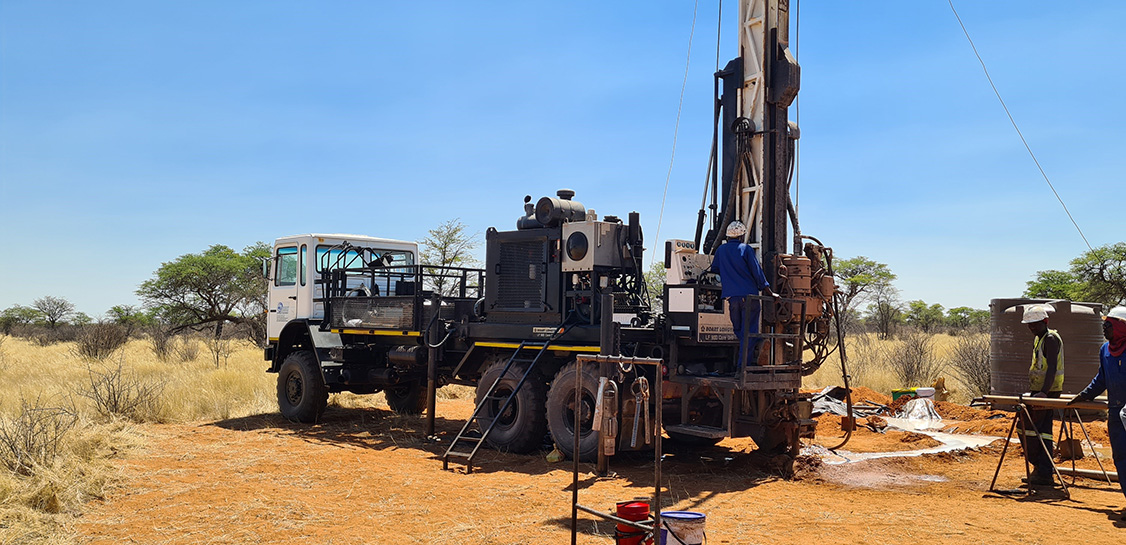
Zambia’s Ministry of Mines reported a 35% increase in copper exploration licenses in Q2 2025, signaling renewed investor confidence and policy stability. Meanwhile, the Kamoa-Kakula Phase 3 expansion in the DRC is set to add 500,000 tonnes of annual output, positioning the region as a global copper powerhouse.
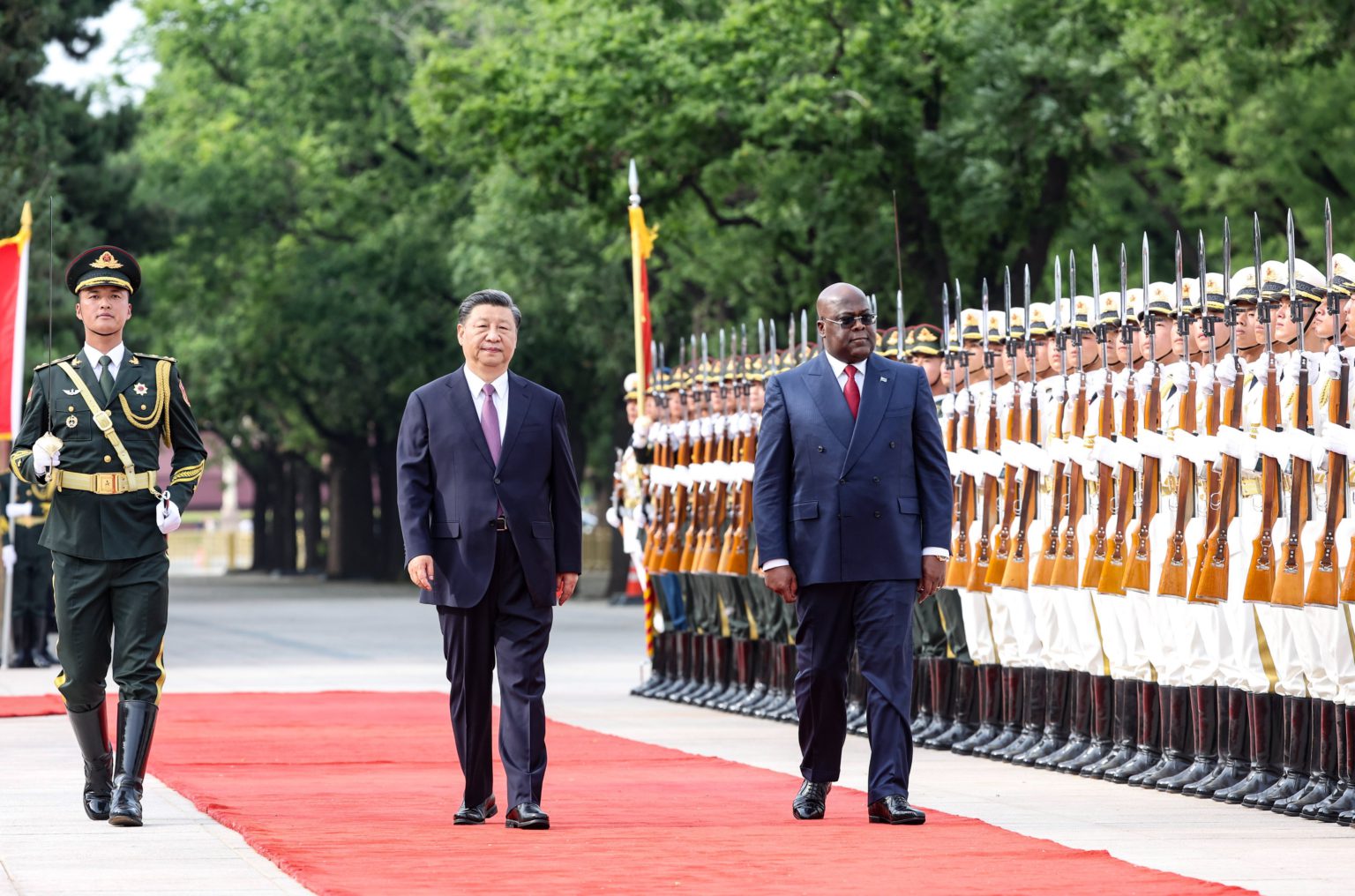
Foreign investment is intensifying, with Chinese and UAE-backed ventures competing for strategic assets. This geopolitical interest underscores copper’s growing importance not just as a commodity, but as a lever of influence in the global energy race. However, Africa’s copper belt is more than a resource hub—it’s a geopolitical chessboard. Governments are increasingly focused on balancing foreign investment with local beneficiation, environmental compliance, and infrastructure development.
To unlock full value, African nations must prioritize downstream processing, enforce ESG standards, and invest in logistics corridors that connect mines to ports. The Lobito Corridor, linking Angola, Zambia, and the DRC, is a prime example of infrastructure that could transform regional copper exports. Additionally, local content policies and community engagement are becoming central to sustainable mining strategies.
Africa’s copper story is no longer just about extraction—it’s about transformation. As the world electrifies, the continent has a rare opportunity to lead, not just supply. The challenge lies in turning mineral wealth into long-term economic resilience, technological advancement, and inclusive growth.
Share this content: