Tailings Reprocessing Offers New Resource Streams

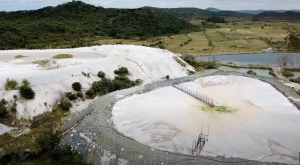
Mining companies across the continent are increasingly evaluating tailings storage facilities as potential sources of secondary minerals while addressing legacy environmental liabilities. Advances in reprocessing technologies and improving commodity prices have shifted many tailings from waste to resource, enabling recovery of metals that earlier technologies could not extract economically. Projects that rework tailings can simultaneously remediate sites, reduce long-term stewardship burdens and create new revenue streams that appeal to sustainability-focused lenders and investors.
Successful tailings reprocessing initiatives combine rigorous technical studies with robust environmental planning and community engagement. Detailed characterisation determines mineral recovery potential and informs selection of appropriate reprocessing methods, whether physical re-concentration, hydrometallurgical treatment or heap leach approaches adapted to tailings matrices.
Environmental gains are realised when projects improve downstream water quality, stabilise surfaces and reduce the footprint of legacy facilities, outcomes that attract blended financing from institutions prioritising environmental remediation and circular-resource approaches.

Regulatory clarity and predictable permitting pathways for reprocessing remain critical enablers. Projects must address ownership, land-use legacy issues and clear frameworks for water discharge and long-term monitoring. Where operators present credible closure and rehabilitation plans that prioritise community safety and local economic opportunities, tailings rework schemes gain traction and can become important elements of broader resource-efficiency strategies in the mining sector.
Share this content: