Water Stewardship Becomes Central to Mine Permitting
By Bradley Riviera
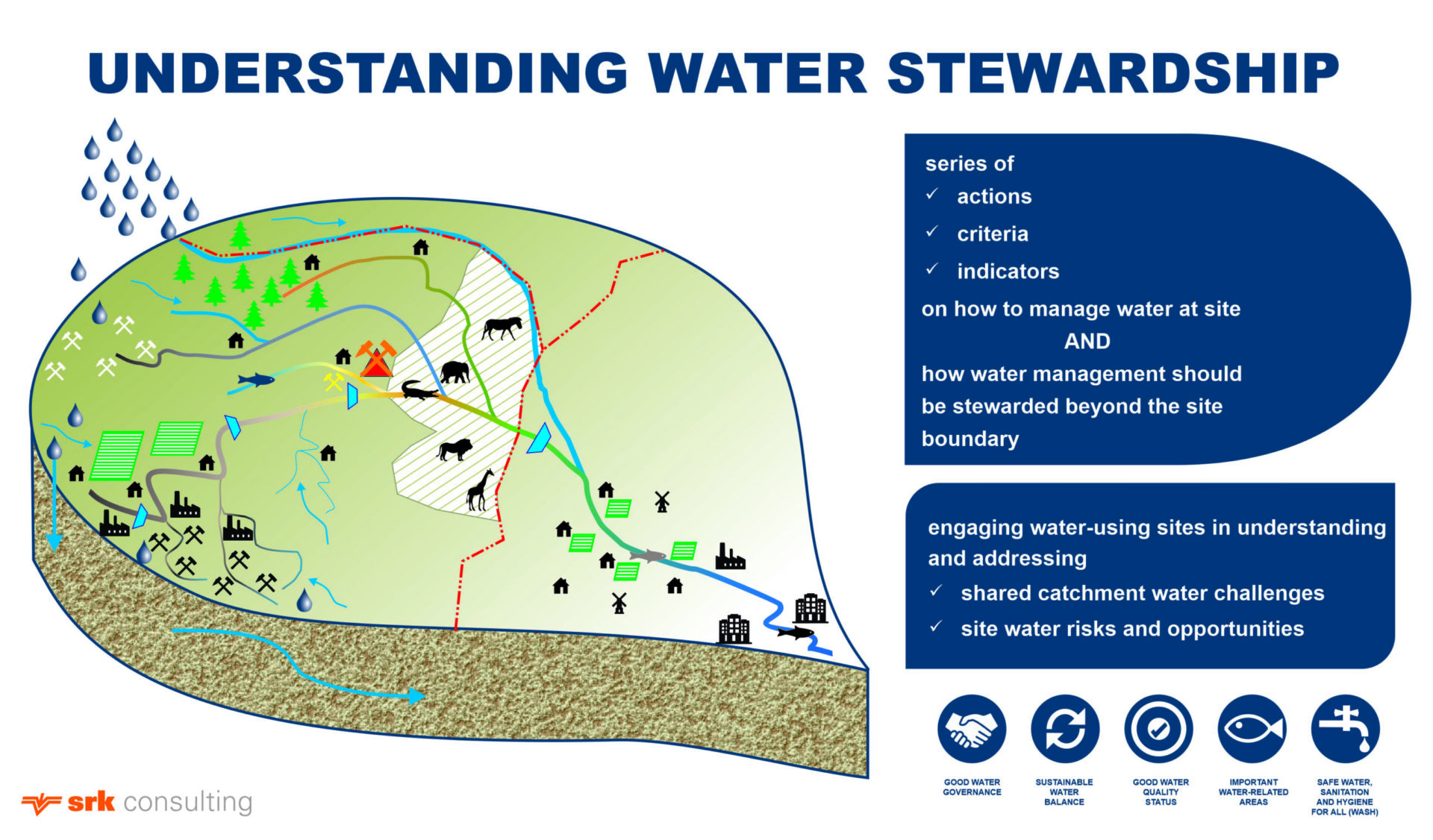
Water stewardship is now a decisive element of permitting and social-licence discussions for new and expanding mines in water-scarce regions. Regulators and communities demand clear, transparent plans for water sourcing, recycling, contamination prevention and post-closure water quality management. Mining companies that adopt integrated water stewardship approaches—combining reduced consumption technologies, high-recovery processing and transparent monitoring—tend to face fewer permitting delays and establish stronger community trust that reduces operational risk.
Integrated water strategies emphasise efficiency gains in processing circuits, closed-loop systems where practicable, and investments in high-recovery technologies that minimise freshwater withdrawals. Where mining overlaps with agricultural or municipal water use, proactive mediation and benefit-sharing arrangements such as community water infrastructure investments materially reduce conflict risk and support broader regional development objectives. Independent water audits are increasingly required by financiers as part of ESG due diligence, and companies that publish transparent water balance data demonstrate risk awareness that supports access to capital.

The governance challenge is aligning technical water-management plans with credible community engagement and enforceable monitoring frameworks. When mines provide reliable data, invest in shared infrastructure and incorporate contingency plans for drought and climate variability, stakeholders are more likely to view projects as partners in regional water resilience rather than competitors for scarce resources.
Share this content: