Rebels Loot $70m in Gold from Twangiza Mine as Conflict Deepens in Eastern DRC
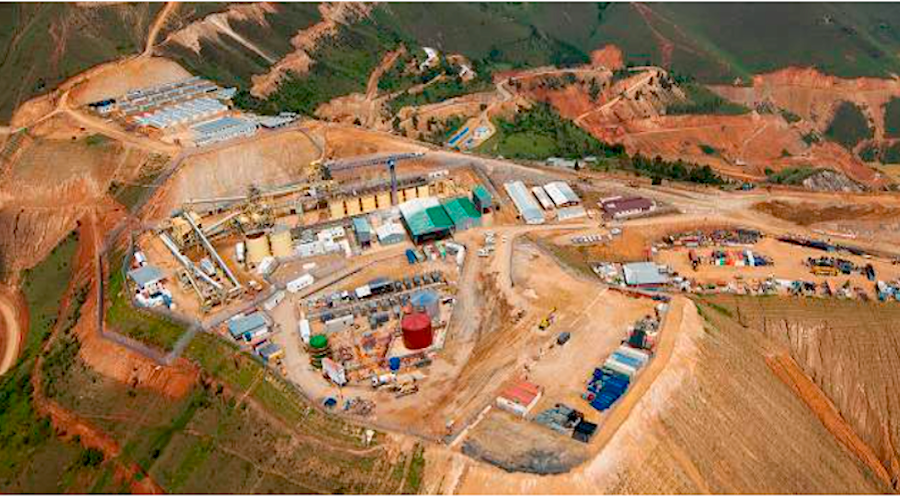
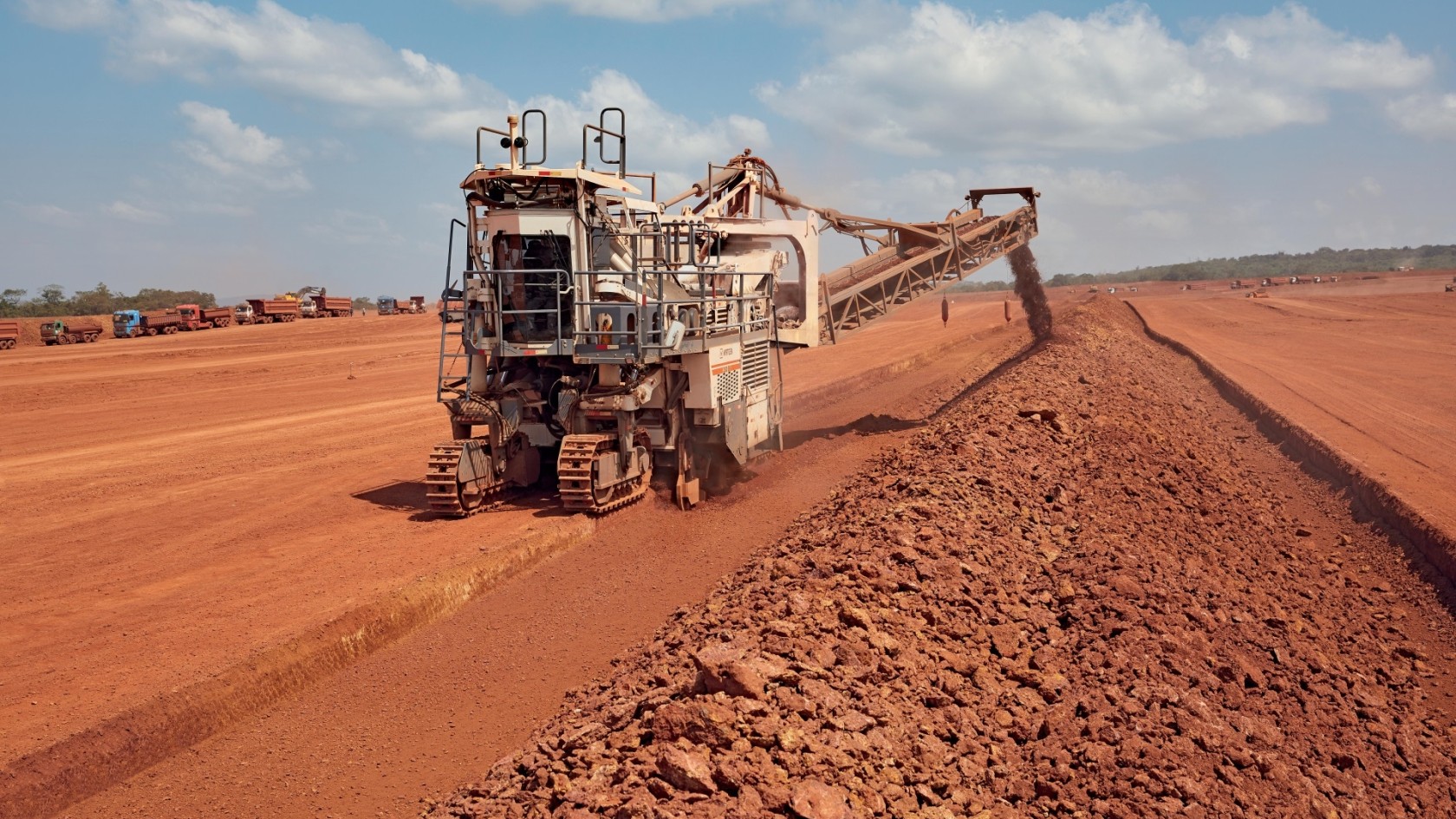
Twangiza gold mine, located in the rebels-controlled South Kivu province, DRC. (Image courtesy of DRA Global Limited.)
Rebels occupying the Twangiza Mining concession in South Kivu, eastern Democratic Republic of Congo, have reportedly removed at least 500 kilograms of gold bullion from the site since May, a loss estimated at about $70 million at current market prices. The company has alleged that some employees colluded in transporting initial consignments out of the mine shortly after it fell under rebel control, with clandestine channels used to move subsequent shipments.
Twangiza Mining says the operation lost more than 100 kilograms of gold a month during the occupation and has also been deprived of equipment and materials valued at roughly $5 million. Faced with an untenable security environment, the company declared force majeure and intends to pursue remedies with Congolese authorities and international arbitration bodies to seek redress and clarify liability for the losses and operational disruption.

The seizure and illicit removal of metal follow months of escalating conflict in eastern DRC, where the M23 rebel group seized territory in a rapid offensive this year. The group, widely reported to be ethnic Tutsi-led and alleged to have backing across the border, has captured significant ground and key urban centres, worsening humanitarian and security conditions in the region. A recent drone strike that destroyed the mine’s power infrastructure underscores the scale of the operational challenges; responsibility for that attack has not been publicly established.
The broader regional context raises challenging questions about supply-chain integrity and the governance of critical minerals. The mineral-rich eastern provinces of the DRC supply cobalt, copper and other commodities that are central to global electronics and clean-energy supply chains, and repeated episodes of illicit extraction and smuggling risk entrenching smuggling networks while depriving communities and the state of legitimate revenues. International efforts aimed at stabilisation and securing trade routes have produced agreements and infrastructure proposals intended to diversify transport and market access, yet observers note that such initiatives also risk legitimising or redirecting existing smuggling routes unless paired with robust monitoring and community safeguards.
The human toll has been severe. Congo’s government reports thousands of civilian deaths in the first half of 2025 as violence surged in the east, and renewed instability since the spring offensive has compounded displacement, insecurity and economic disruption for local populations. Calls for a transparent, enforceable mechanism to prevent illegal flows and to protect communities affected by mining-related conflict are growing louder among civil-society groups and international observers.
Resolving the crisis at and similar sites will require coordinated action: strengthened local and national security measures, rigorous corporate due diligence, transparent levies and traceability systems, and credible regional cooperation that addresses the drivers of illicit mineral flows. Companies operating in the DRC face difficult operating conditions that test contractual protections and governance mechanisms, while affected communities need rapid humanitarian support and long-term pathways to safe, legitimate employment as the region seeks to stabilise and rebuild.
Share this content: