Corrected and Streamlined Article: Can Technology Make African Mining Transparent? Sabi Thinks So
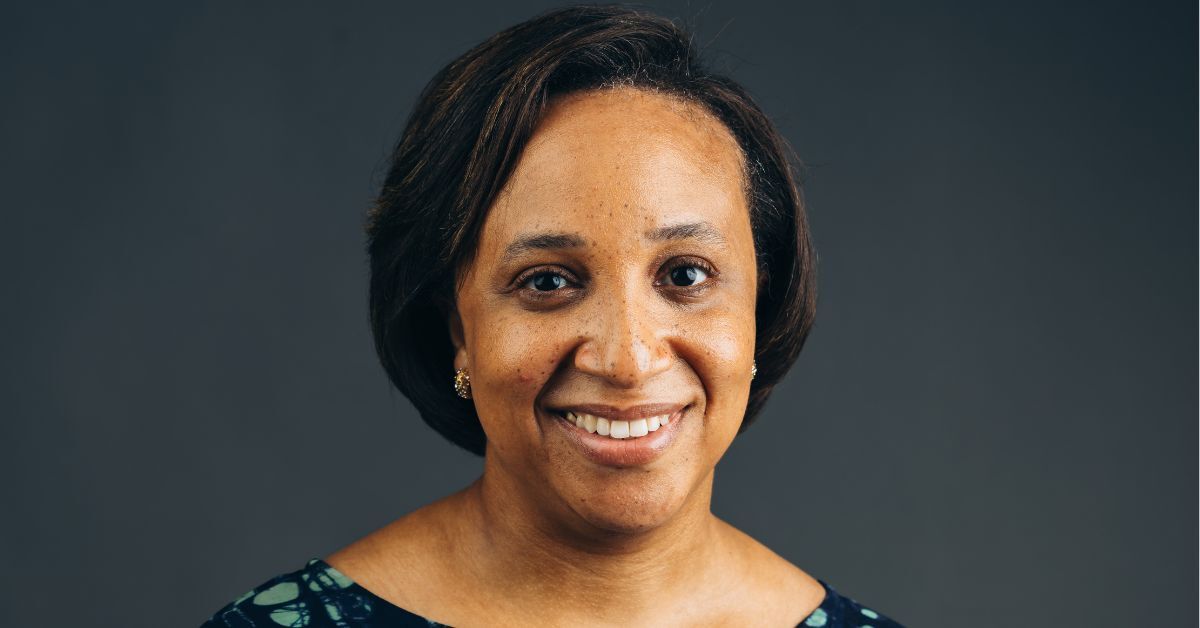
By Frank Eleanya
Nigerian B2B digital commerce company Sabi is reshaping Africa’s mineral trade by digitising and formalising a traditionally opaque system. With over 100,000 tons of lithium moved from Nigeria—an essential mineral for the electric vehicle industry—Sabi ranks among the top five enablers of lithium exports in the region.
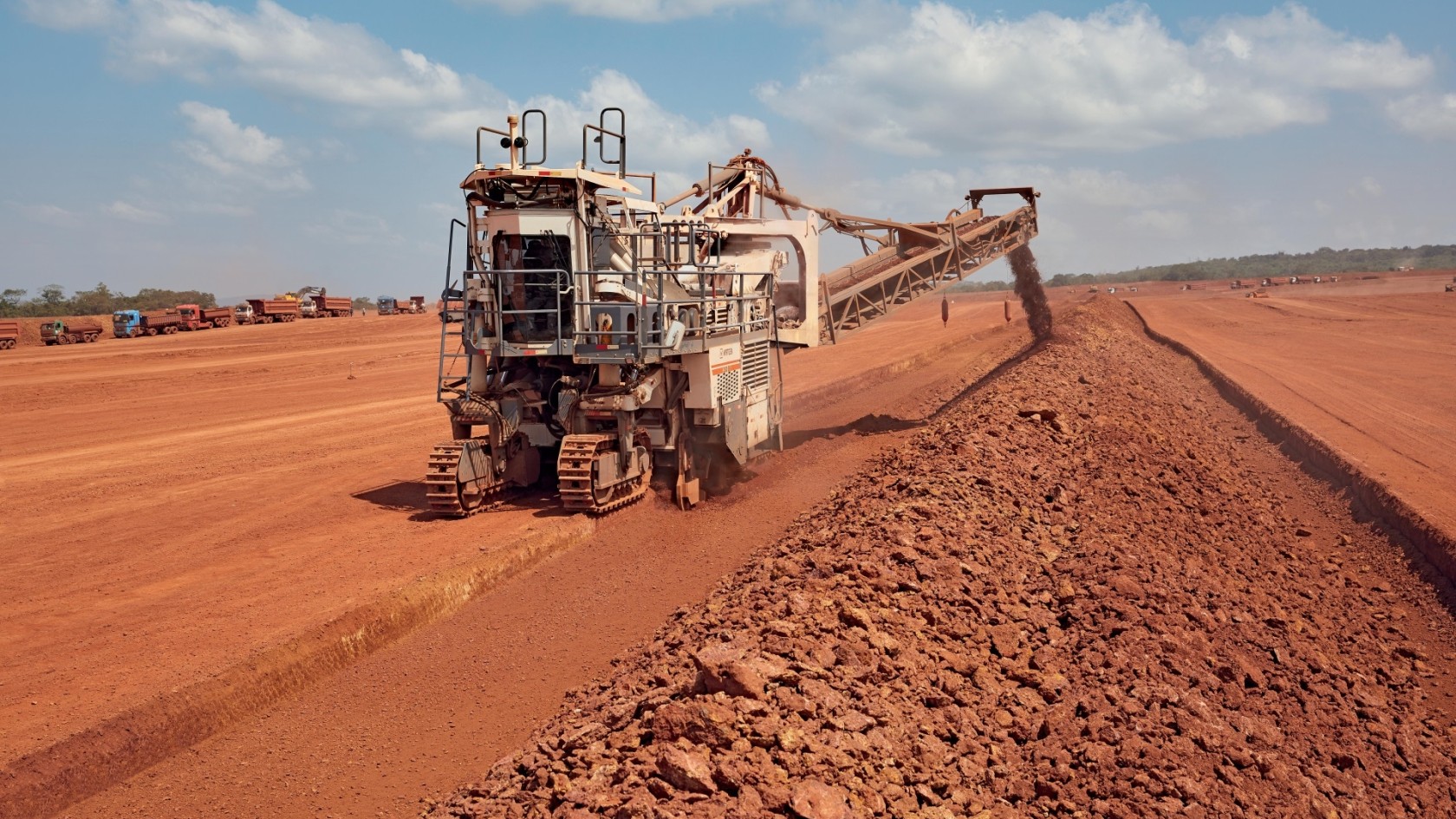
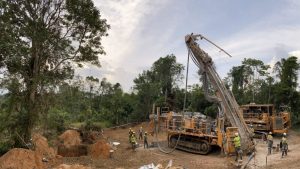
Africa holds nearly 30% of the world’s critical mineral reserves, including cobalt, lithium, manganese, and rare earths, yet captures only 10–20% of their value. Years of under-regulation, fragmented supply chains, and illicit trade have hindered the continent’s mining potential. Sabi’s technology-driven model is changing that by introducing digital infrastructure that brings traceability, transparency, and compliance to commodity markets, starting with lithium.

Founded in 2020 by Anu Adedoyin Adasolum and Ademola Adesina, Sabi emerged from Rensource, a power distribution venture serving Nigeria’s informal markets. During the COVID-19 pandemic, the company pivoted to support merchants with logistics and payment tools, evolving into a full-fledged B2B platform offering supply, logistics, and financial services.
Unlike retail platforms such as Jumia or Konga, Sabi focuses on business-to-business services critical to merchant growth. After gaining traction in FMCG, electronics, and agriculture, the company turned to minerals—Africa’s next industrial frontier. “Minerals are where Africa can make the biggest global impact,” says Adasolum. “We saw an opportunity to build credibility and traceability in supply chains.”
Central to this effort is TRACE—Technology Rails for African Commodities Exchange—a platform that assigns digital passports to every mineral shipment, verifying origin, quality, and compliance. Each shipment carries a “mineral passport,” creating an auditable chain of custody that combats reputational issues around illegal mining. “Traceability is the solution,” Adasolum explains. “Every producer is verified, sites are audited, and every movement is logged.”
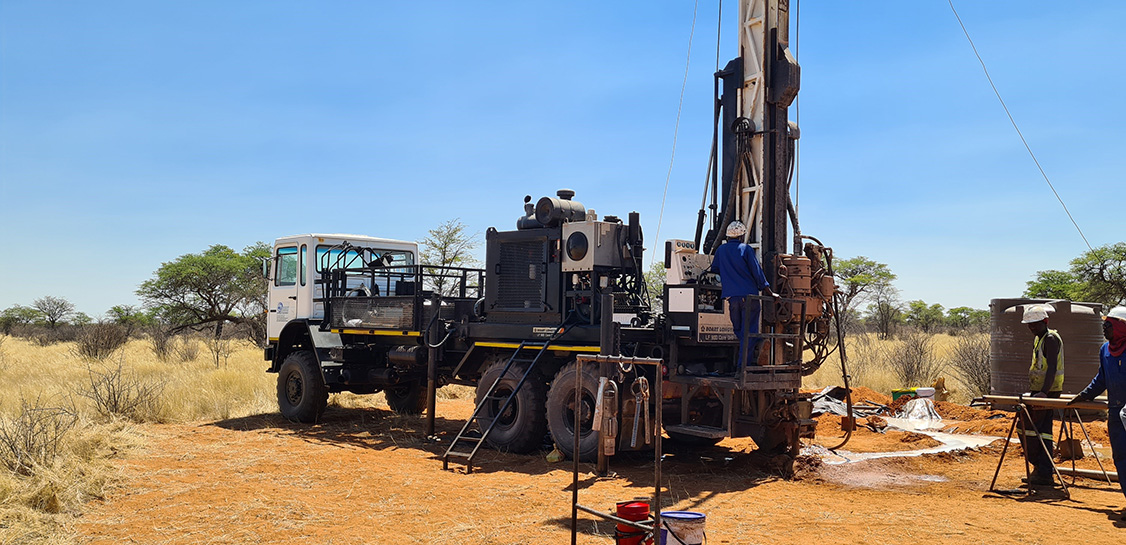
Sabi’s TRACE platform aggregates supply from small and mid-scale miners, enabling them to meet international demand. “If a miner produces 50 tons but a buyer needs 1,000, we coordinate and verify production,” Adasolum says. The company prioritises verified volume, supplier compliance, and audit-ready transactions over traditional metrics like GMV.
Beyond compliance, Sabi empowers African producers to participate in global value chains. Many miners struggle with consistency and quality; Sabi bridges that gap through coordination, technical support, and standardisation. The company works across Nigeria and Southern Africa to meet buyer requirements.
Sabi’s efforts align with broader reforms in Nigeria’s mining sector. In 2024, the Ministry of Solid Minerals Development revoked nearly 1,000 inactive titles and introduced new policies to attract investors. By September 2025, over 4,700 additional licences were slated for revocation due to non-renewal, signalling a push for accountability.
Nigeria hosts over 40 commercially viable minerals, yet mining contributes less than 1% to GDP. Sabi’s traceability tools help producers comply with local regulations and global standards, including frameworks from the EU, U.S., and Asia. The U.S. Mining Regulatory Clarity Act of 2025, for instance, promotes critical mineral production and supply chain security through clearer licensing and cleanup funds.
Sabi also offers technical advisory and capacity building, supporting miners with training in quality control and value addition. Some have transitioned from manual to mechanised operations, boosting efficiency and output. “Communities that had no access to global contracts two years ago are now supplying international manufacturers,” Adasolum notes.
As countries race to decarbonise, Africa’s mineral credibility is increasingly vital. While China dominates refining, Western nations are investing in African supply chains. Initiatives like Sabi’s enhance Africa’s appeal for responsible sourcing and beneficiation. “Traceability is Africa’s biggest opportunity,” says Adasolum. “It’s what will put us on the world stage.”
Despite infrastructure gaps, currency volatility, and regulatory hurdles, Sabi works with financial institutions to manage risks and ensure smooth trade. Scaling TRACE across diverse regions remains a challenge, but the company now operates in Nigeria, Kenya, South Africa, Zimbabwe, and Tanzania, with plans to expand further.
Governments are showing openness to reform. “Most countries we work in want mining to benefit their people,” Adasolum says. “Stability and feedback are key.” She concludes, “Our goal is simple: secure supply, connect it to opportunity, and ensure Africa’s resources are traded responsibly, traceably, and profitably.”
Source: Techcabal
Share this content: