Mali cancels over 90 mining permits in sweeping regulatory overhaul
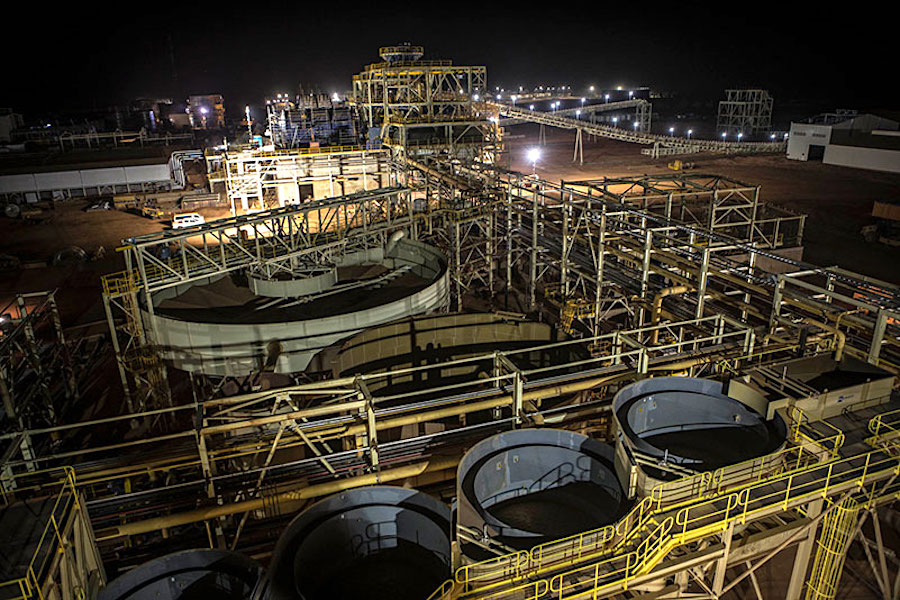
In a decisive move to enforce compliance with updated mining regulations, Mali has annulled more than 90 mining exploration permits—many held by international firms—citing widespread failure to meet new legal standards.
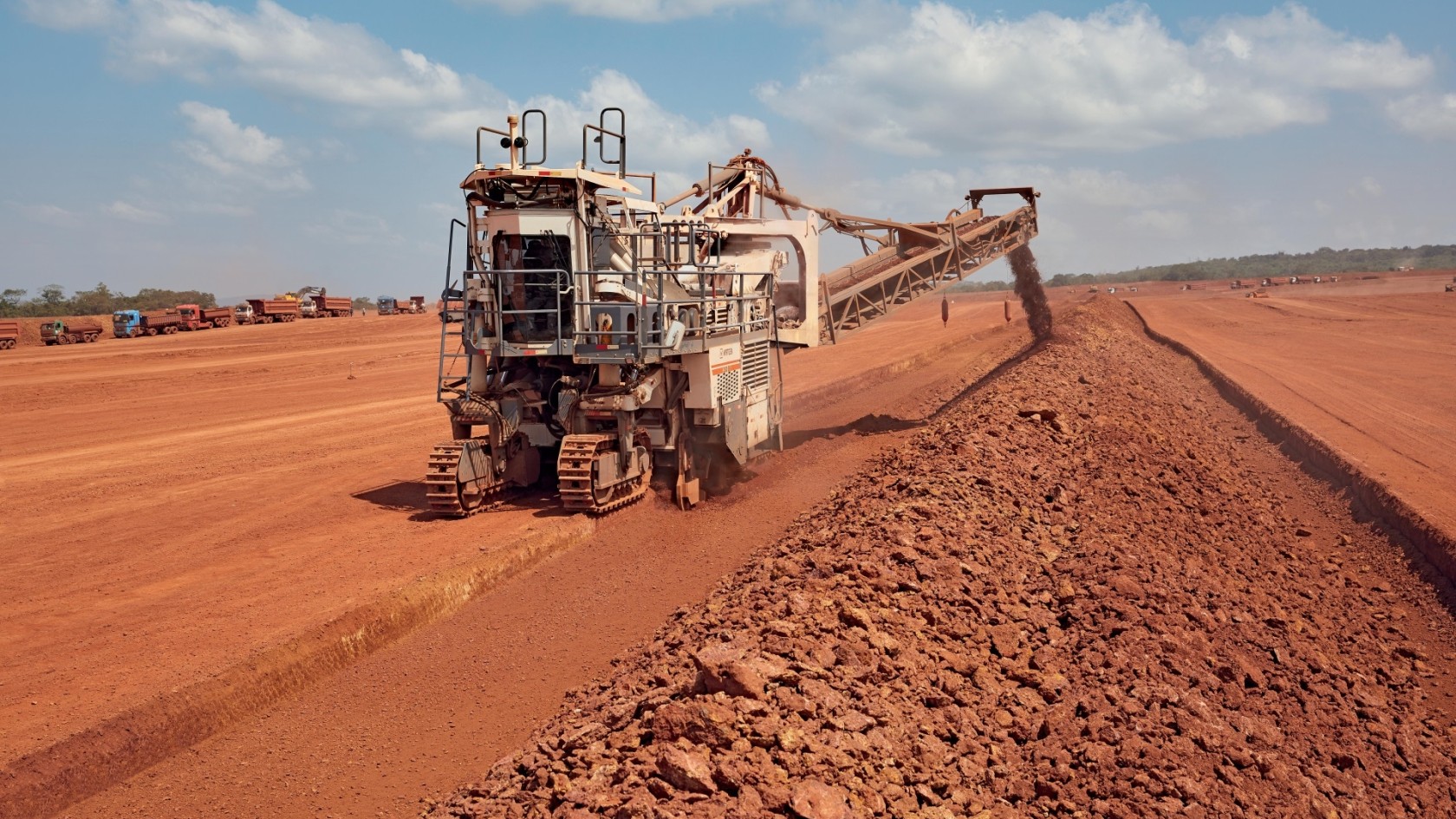
The revocations, formalized through a decree signed by Mines Minister Amadou Keita, affect permits issued between 2015 and 2022. These licenses covered exploration rights for key resources including gold, iron ore, bauxite, uranium, and rare earth elements. All rights under the canceled permits have now been released and are open for reallocation.
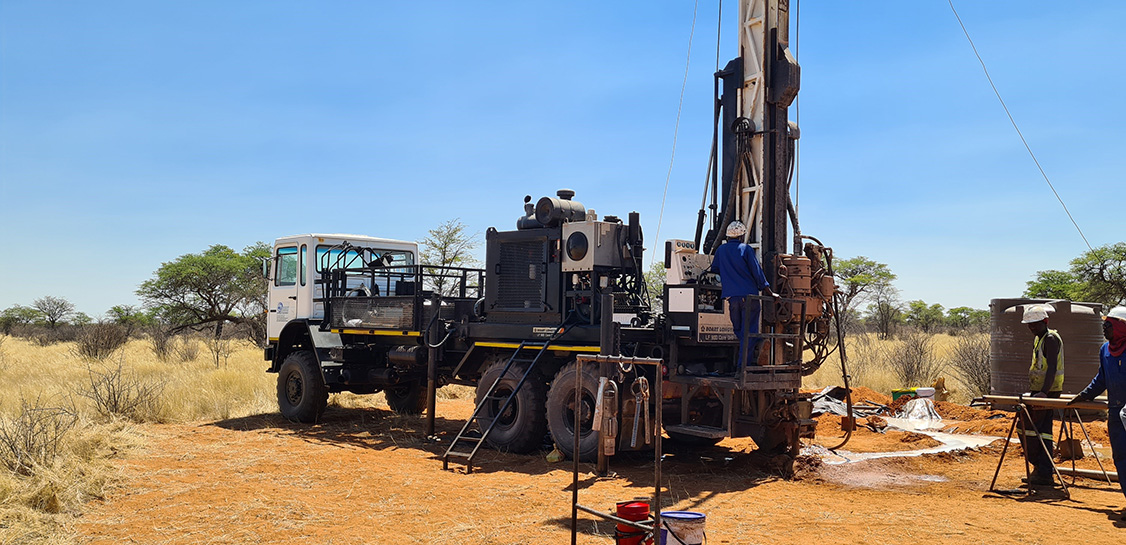
According to the Ministry of Mines, companies were instructed to resubmit documentation in line with newly introduced compliance requirements. However, after a verification process, authorities found widespread non-compliance, prompting the mass cancellations. It remains unclear whether affected companies will be allowed to appeal or reapply.

This regulatory purge aligns Mali with a broader trend across Africa, where governments are tightening oversight of natural resource sectors to reclaim control and boost domestic benefit. Similar actions have recently been taken in countries like Guinea, where dormant or non-compliant permits have also been rescinded.
Mali, one of Africa’s leading gold producers, has seen a decline in foreign investment in recent years, driven by security concerns and regulatory uncertainty.
The country’s military-led government has simultaneously been strengthening its strategic partnerships with Russia, signing new agreements in energy and mining—including petroleum supply deals and joint ventures in gold and lithium extraction.
This sweeping reform signals Mali’s intent to assert greater sovereignty over its mineral wealth while reshaping the investment landscape for both domestic and international stakeholders.
Share this content: