Can Africa Ride the Critical Minerals Wave to an Economic Boom

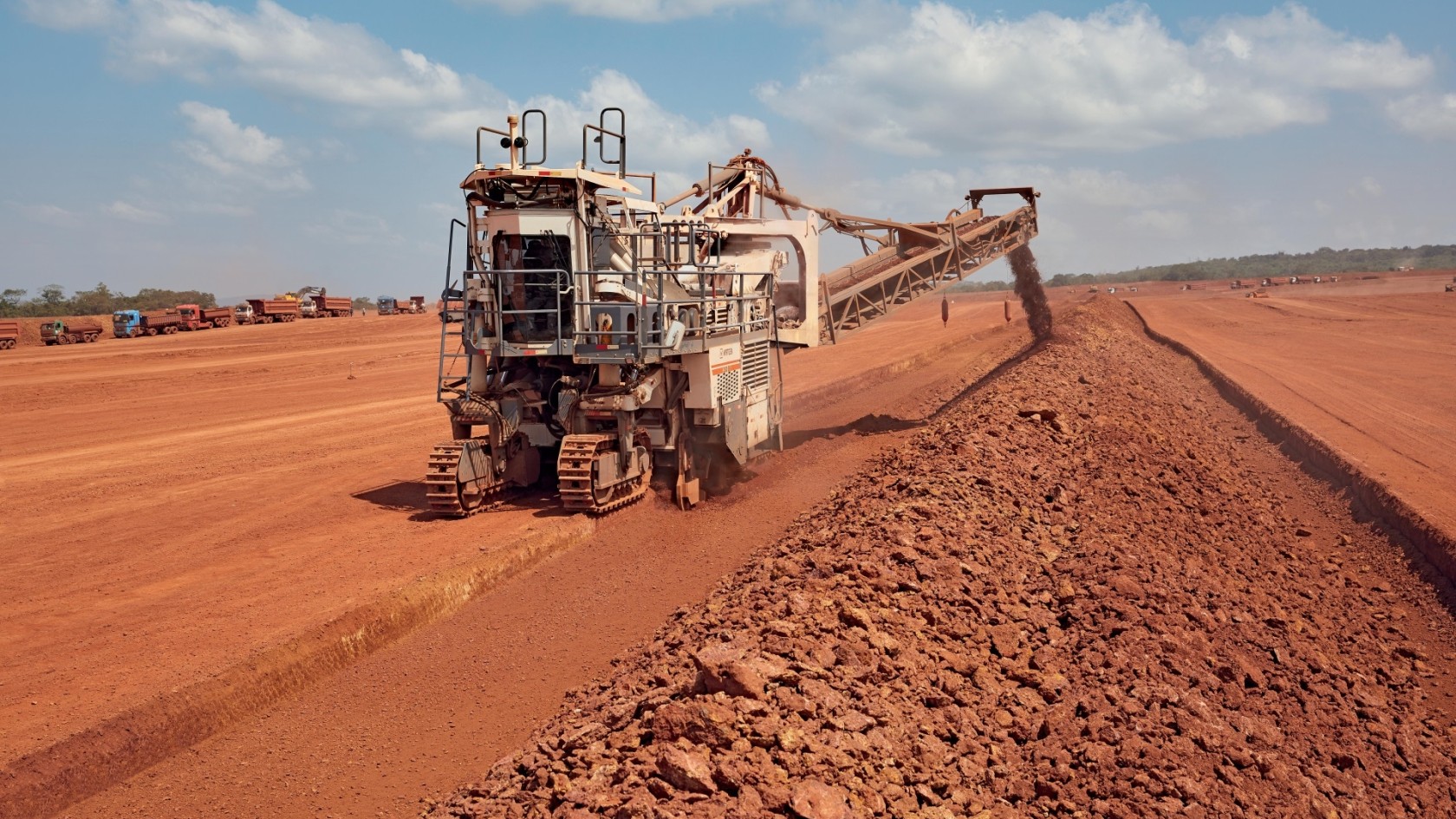
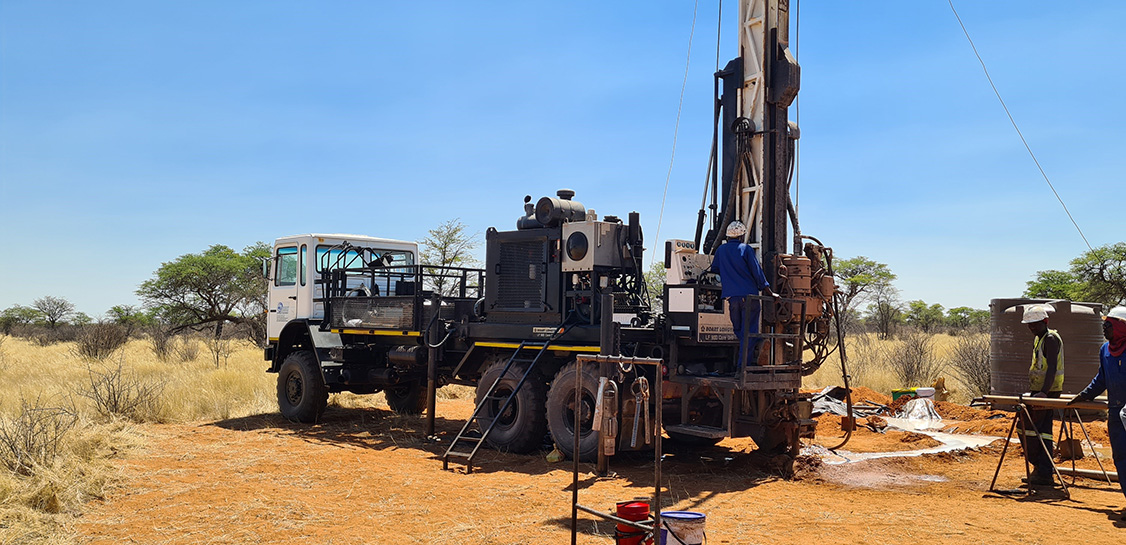
Africa sits on a vast bounty of minerals that are central to the global energy transition and digital economy, creating a window of opportunity to transform raw-resource wealth into sustained economic growth and jobs. Analysts argue that capturing greater value will require the continent to move beyond extraction and build integrated local value chains that include refining, manufacturing and technological innovation. Without this shift, countries risk remaining suppliers of unprocessed ores rather than benefiting from higher-value activities further down the chain.
The scale of the opportunity is clear: Africa holds roughly 30 percent of the world’s mineral reserves, including key inputs such as cobalt, lithium and nickel. Global demand forecasts are dramatic, with lithium expected to grow fivefold by 2040, graphite and nickel demand set to double, and requirements for cobalt and rare earth elements projected to rise substantially. Harnessing these trends for broad-based development depends on industrial policy that deliberately links mining to downstream processing, skills development and local job creation.
Several African governments are already signaling intent to capture more value domestically. Zimbabwe, as a leading lithium producer, has been encouraging companies to process minerals onshore in order to expand employment and industrial activity. Private investment examples, such as foreign firms establishing refining capacity, demonstrate that on-the-ground beneficiation is feasible when policy and incentives align. Regional infrastructure projects and trade agreements could amplify those gains by enabling economies of scale and cross-border industrial networks.

But significant hurdles remain. Chronic power shortages, limited industrial capacity, skills gaps and fragmented regional trade hinder the continent’s ability to move up value chains. High tariffs and cumbersome customs procedures between African countries compound the problem, making intra-continental trade more costly and slowing the formation of integrated supply chains. Addressing these structural constraints is essential to turn mineral wealth into sustainable industrialisation.
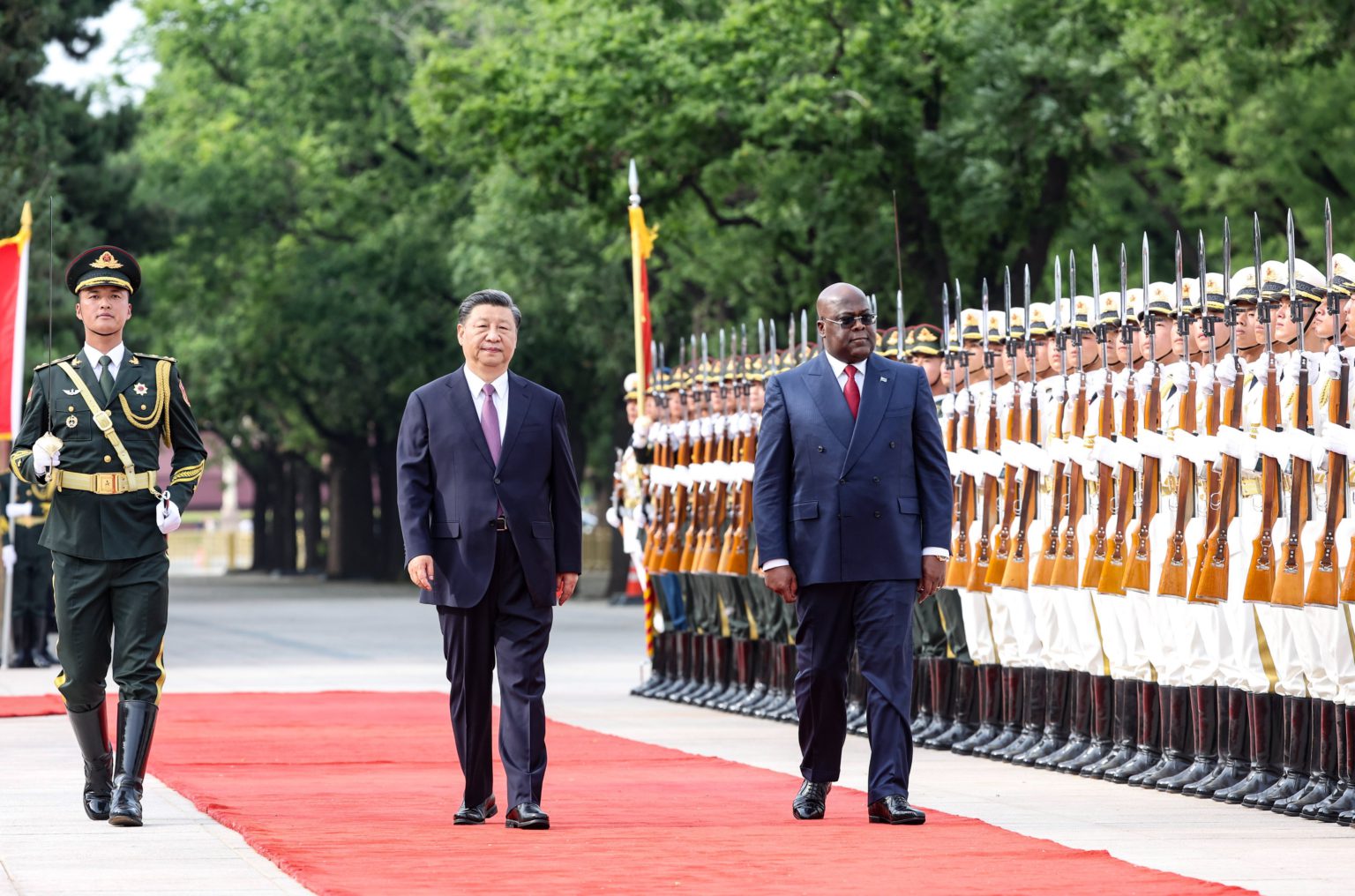
Governance and social risks present another critical challenge. The Democratic Republic of Congo, which supplies a large share of the world’s cobalt, exemplifies how resource abundance can coincide with child labour, displacement and conflict when oversight and social protections are weak. Governments must therefore pair industrial ambitions with robust regulation, rights protections and community engagement to ensure that local populations benefit and that extraction does not exacerbate social harm.
Regional cooperation and strategic infrastructure investments can help lower barriers to beneficiation. Initiatives such as the African Continental Free Trade Area offer a framework to reduce intra-African trade costs and expand markets for processed goods, while projects like the Lobito Corridor railway can link mineral-rich interiors to export routes. Continental strategies, including the African Union’s Green Minerals Strategy, aim to align mining with climate and development goals and to support green-industrial pathways.
Political dynamics and rising resource nationalism in some countries add complexity. In parts of West Africa, governments have imposed stricter terms on foreign companies to force more local processing. While such policies can create leverage to demand local benefits, experts warn that heavy-handed measures without clear implementation strategies may not deliver long-term prosperity for communities. Instead, well-designed, evidence-based national strategies that combine policy certainty with incentives for downstream investment are more likely to generate sustained economic opportunities.
Public sentiment is also shifting, driven by a more engaged and digitally connected youth demographic. Recent protests across several African countries have reflected broader demands for governance, services and equitable use of national resources. Governments are increasingly aware that failing to translate mineral wealth into visible public benefits risks political backlash, particularly among younger generations who expect more inclusive economic outcomes.
The international climate and development agenda offers both opportunities and pressures. At global forums such as COP30, African countries are seeking support to ensure that the surge in demand for transition minerals translates into domestic industrialisation, jobs and development benefits rather than perpetuating extractive patterns. Civil society groups and rights organisations are calling for stronger governance, protection of affected communities and meaningful participation of Indigenous peoples in decisions affecting mineral development.
To convert the minerals boom into broad-based economic transformation, Africa will need coordinated action across policy, infrastructure, skills and governance. That includes investing in reliable power, reducing trade frictions, strengthening regulatory frameworks that protect rights and encourage value addition, and promoting regional industrial linkages. With the right mix of policies and partnerships, the continent’s mineral endowment could underpin a new wave of industrialisation and shared prosperity rather than repeating historical patterns of extraction without meaningful local development.
Share this content: