Africa’s Call to Action Against Deep-Sea Mining
By Associate Editor
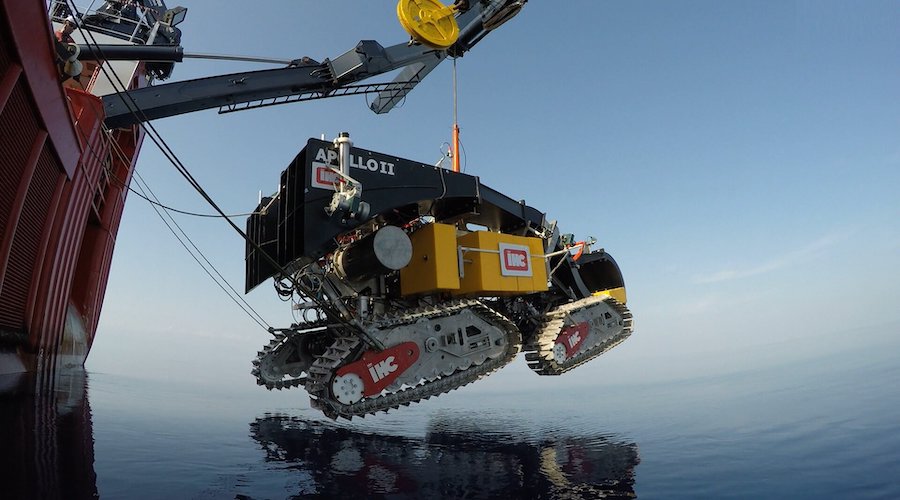
The rapid rise of deep-sea mining (DSM) is emerging as a critical challenge for Africa, particularly amid the United States’ push under the Trump administration to accelerate seabed mineral exploration. A recent executive order seeks to position the U.S. as a global leader in seabed extraction, targeting minerals such as cobalt, copper, and rare earth elements. While framed as a strategy to secure critical resources, the move raises alarm over irreversible damage to marine ecosystems and the destabilization of global ocean governance.
The U.S. approach runs counter to multilateral principles enshrined in the United Nations Convention on the Law of the Sea (UNCLOS), which defines ocean resources as the “common heritage of humankind.” Critics warn that unilateral actions undermine decades of international cooperation and risk fragmenting the collective governance of shared marine assets.

Within the International Seabed Authority (ISA), member states have voiced concern about advancing DSM before a comprehensive regulatory framework is finalized. Sierra Leone, speaking on behalf of the African Group, underscored several pressing issues: the potential disruption of land-based mining economies, the urgent need for robust regulations, and equitable financial models to ensure fair benefit-sharing.
Despite these warnings, African nations have remained relatively muted in global DSM debates—a troubling silence given their vulnerability. Countries such as the Democratic Republic of the Congo and Zambia, heavily reliant on cobalt and nickel exports, face the risk of market destabilization should seabed mining flood supply chains with new sources of critical minerals.
Environmental experts stress the importance of a unified African stance, urging governments to demand science-based safeguards. Past mining ventures have left lasting scars on marine ecosystems, including altered seafloor landscapes and biodiversity loss, underscoring the need for precautionary measures and rigorous environmental assessments before DSM operations proceed.
African states now stand at a pivotal juncture. By leveraging platforms such as the ISA General Assembly, they can advocate for moratoriums, push for clarity on international obligations through the International Court of Justice, and ensure that DSM policies align with both economic interests and environmental preservation.
Ultimately, Africa’s collective voice will be decisive in shaping the future of ocean governance. By championing protective measures and equitable resource-sharing frameworks, the continent can safeguard marine ecosystems, stabilize its economies, and secure the well-being of generations to come.
Share this content: