ECOWAS Reaffirms Commitment to Regional Integration Through Trade, Agriculture, Environment
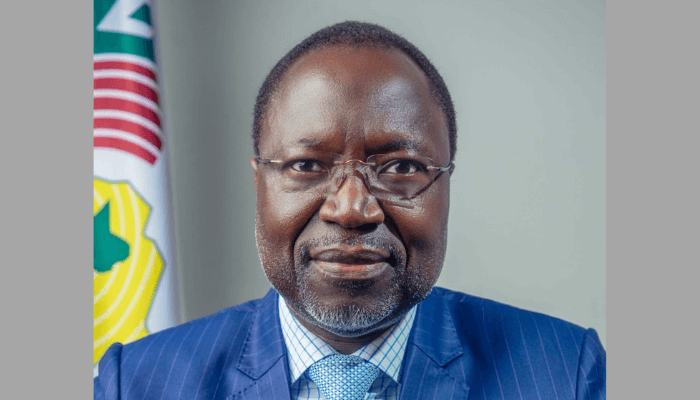
President of the ECOWAS Commission, Omar Touray
At a technical meeting in Abuja on regional economic integration, ECOWAS reaffirmed its commitment to deepening cooperation across trade, agriculture and environmental protection. Commission President Omar Touray, represented by Vice President Damtien Tchintchibidja, outlined a portfolio of strategic projects designed to accelerate industrial development, expand intra‑regional trade, modernise agriculture and strengthen food and nutrition security.
Touray said these initiatives are intended to give practical effect to ECOWAS Vision 2050 and align with the African Union’s Agenda 2063. He highlighted efforts to remove tariff and non‑tariff barriers, boost infrastructure, and operationalise the ECOWAS Trade Liberalisation Scheme alongside the African Continental Free Trade Area to increase trade in goods and services.

Agriculture remains central to the sub‑region’s economy, Touray noted, but food insecurity persists: about 12 percent of West Africans currently face food shortages. Guided by the ECOWAS Agricultural Policy (ECOWAP), the commission is prioritising modern production methods, stronger value chains, inclusive agribusiness, and initiatives such as the West Africa Fertiliser and Soil Health programmes to restore degraded land and raise productivity.
Environmental protection is also a priority. Touray emphasised plastic pollution management as essential for safeguarding ecosystems, public health and livelihoods, while creating opportunities for recycling industries. ECOWAS is also promoting renewable energy, sustainable land use and climate resilience to protect communities from shocks and support green growth.
Nigeria’s Agriculture Minister Abubakar Kyari stressed the interdependence of trade, agriculture and the environment, calling for harmonised standards, coordinated policy implementation and knowledge sharing across member states. Nigeria’s Environment Minister Balarabe Lawal warned that West Africa generates more than 2 million tonnes of plastic waste annually, and urged stronger waste management to protect health, biodiversity and food systems.
Overall, ECOWAS presented these measures as practical steps toward inclusive regional growth, job creation—especially for youth and women—and a more integrated West African economy built on shared standards, improved productivity and environmental stewardship.
Share this content: