Mining Contributes R470‑Billion to South African Households
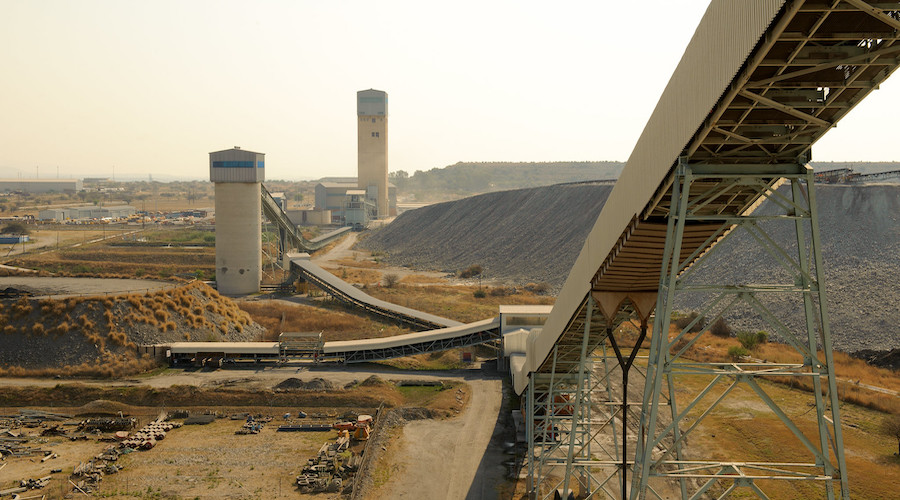
Marikana Mine
Johannesburg, South Africa — December 1, 2025 South Africa’s mining industry contributed R470‑billion to household income in 2024, underscoring its role as a cornerstone of the national economy and a lifeline for millions of citizens, according to the latest #MiningMatters report by the Minerals Council South Africa.
The study — the second independent assessment of mining’s broad impact — highlights how the sector supports not only employees and their families but also host communities, investors, and a wide network of local businesses. Local mineral sales worth R248‑billion strengthened the country’s industrial backbone, while mining companies paid R195‑billion in wages and salaries, accounting for 5% of all wages nationally.

With 473,484 direct employees, the industry sustains nearly 1.9 million people, assuming average household size. Including suppliers, mining supports about 874,000 formal jobs and at least 3.5 million livelihoods. For every R10‑million in output, the sector generates eight formal jobs across the economy.
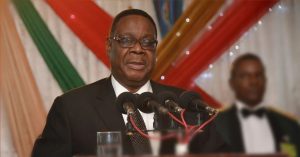
Mzila Mthenjane, CEO of the Minerals Council, said: “We are at a pivotal time in the mining industry and country, given our rich mineral endowment, where we can uplift the performance of the industry and the trajectory of the economy and shape our future in ways that are unprecedented.”
Wages, Diversity, and Household Impact
Mining jobs remain among the best‑paid in South Africa. In 2024, average annual wages were R577,597 for high‑skilled workers, R328,996 for semi‑skilled, and R246,924 for low‑skilled roles — all well above national averages. Women now comprise 19% of the full‑time workforce, reflecting steady progress in diversity and inclusivity.
The sector’s R470‑billion contribution represented 7% of total household income. Including suppliers, household income rose to R680‑billion. Mining operations and their value chains delivered R342‑billion in taxes, equivalent to building 213,974 houses, constructing 17,100 km of tarred road, or paying nearly one million teachers’ annual salaries.
Investment and Local Sales
Mining companies invested R160‑billion in machinery, equipment, vehicles, and construction, accounting for 15% of South Africa’s gross fixed capital formation. Including suppliers, investment rose to R193‑billion. Coal dominated local mineral sales at R135‑billion, reflecting its role in power generation and fuel production. Diamonds, gold, PGMs, and iron ore contributed smaller but significant shares, while other minerals added R71‑billion.
Despite challenges such as erratic electricity supply and soaring tariffs, local businesses are increasingly sourcing metals and minerals domestically. The Council emphasized that investor‑friendly policies are critical to unlocking further beneficiation, sustaining exploration, and expanding mine development.
Outlook
With mineral exports worth R774‑billion in 2024, the report concludes that mining remains central to South Africa’s economic resilience. When mining grows, the country thrives — creating jobs, driving diversification, and building opportunities across society.
Share this content: