Toxic Spill in Zambia Tests Africa’s Resolve on Chinese Investment
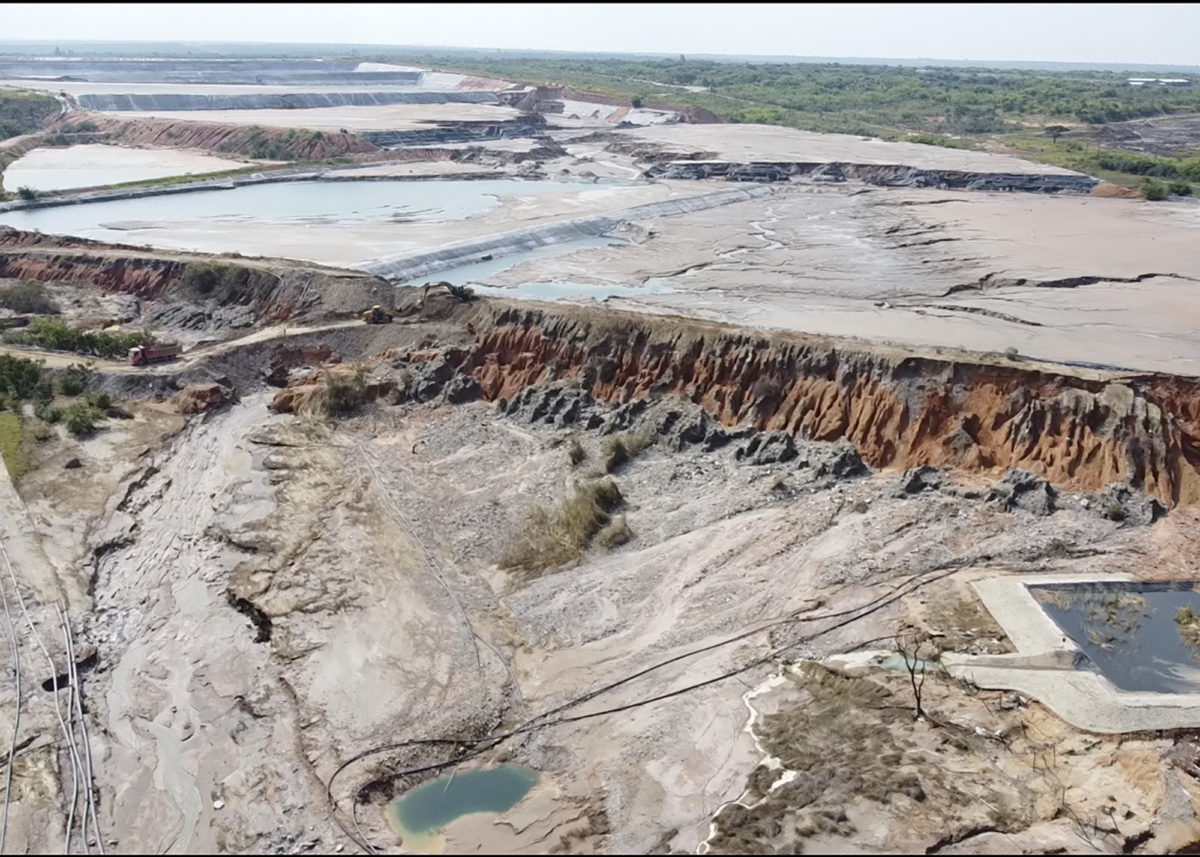
A devastating toxic spill in Zambia’s Copperbelt Province has reignited debate over the continent’s reliance on Chinese investment, raising questions about accountability, environmental safeguards, and the balance of power between African governments and foreign corporations.
The incident occurred in February when a tailings dam at Sino-Metals Leach Zambia, a subsidiary of a Chinese state-owned firm, collapsed into a tributary of the Kafue River. The dam had been used to store toxic by-products from copper mining, including heavy metals such as arsenic, mercury, and lead. According to government figures, at least 50,000 tonnes of acidic debris spilled into surrounding waterways and farmland. Environmentalists, however, claim the true volume may have been closer to 1.5 million tonnes, warning that a full clean-up could take more than a decade.
Farmers in the affected areas, including Chambishi and Kitwe, report widespread destruction of crops, undrinkable water, and mass fish deaths. With the rainy season now underway, experts fear that heavy metals embedded in the soil could seep further into rivers and farmland, potentially carrying pollutants downstream to Lusaka. Dr. Mweene Himwiinga of Copperbelt University has cautioned that toxic metals pose serious risks to public health, including kidney damage, cancers, and gastrointestinal illnesses.

The Chinese embassy in Lusaka has disputed the scale of the damage, insisting that the pollution was contained and that acidity levels in the water have returned to normal. It welcomed the establishment of an independent investigation, while the Zambian government has echoed claims that ongoing monitoring shows no lasting public health risks.
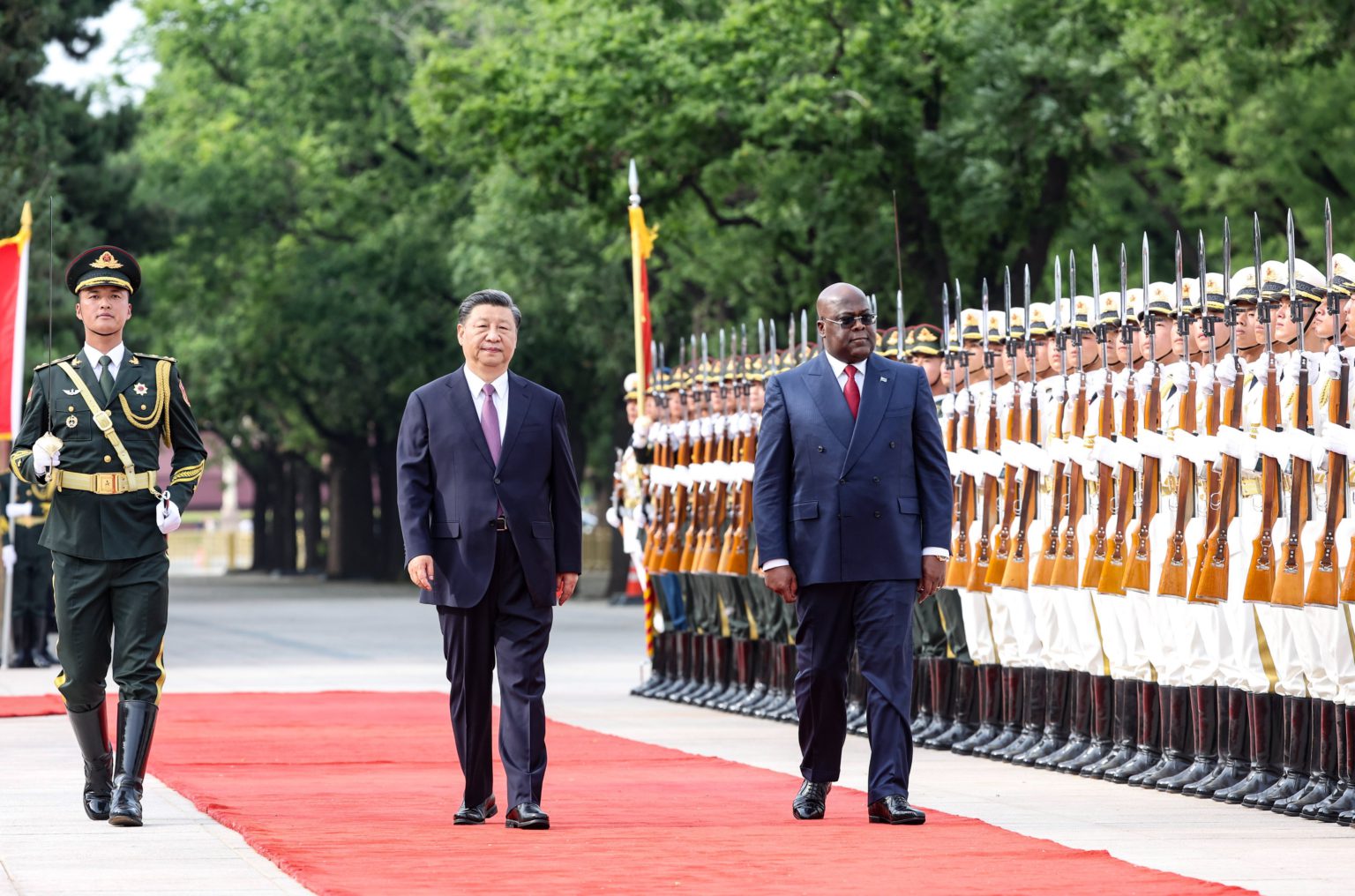
For many Zambians, however, the disaster highlights the precarious balance between economic dependence and environmental protection. Sino-Metals is credited with creating more than 2,000 jobs, while Chinese companies overall have generated more than 30,000 jobs across Zambia. Chinese investment in the country was valued at $1.7 billion last year, underscoring the scale of economic ties. Premier Li Qiang’s recent visit to Zambia ahead of the G20 Leaders’ Summit in South Africa further emphasized the closeness of bilateral relations.
Yet critics argue that China’s role in Africa often resembles neocolonialism, pointing to infrastructure loans that saddle countries with debt, limited skills transfer to local workers, and a focus on resource extraction at the expense of environmental safeguards. The dam collapse has become a flashpoint for these concerns.
In September, 176 farmers filed an $80 billion lawsuit against Sino-Metals and NFC Africa, the Chinese firm that owns the land where the mine operates. The case, one of the largest environmental lawsuits in Zambia’s history, alleges that the spill has already affected 300,000 households. Plaintiffs claim the disaster was caused by engineering failures, construction flaws, and operational mismanagement.
The outcome of the lawsuit and the government’s response are being closely watched across Africa. For many observers, the toxic spill is more than an environmental crisis—it is a test of whether African nations will hold powerful foreign investors accountable, or whether economic dependence will continue to outweigh environmental and social responsibility.
Share this content: