Liberia Wins GEF Approval for Landmark Mercury-Reduction Project in Artisanal Gold Mining
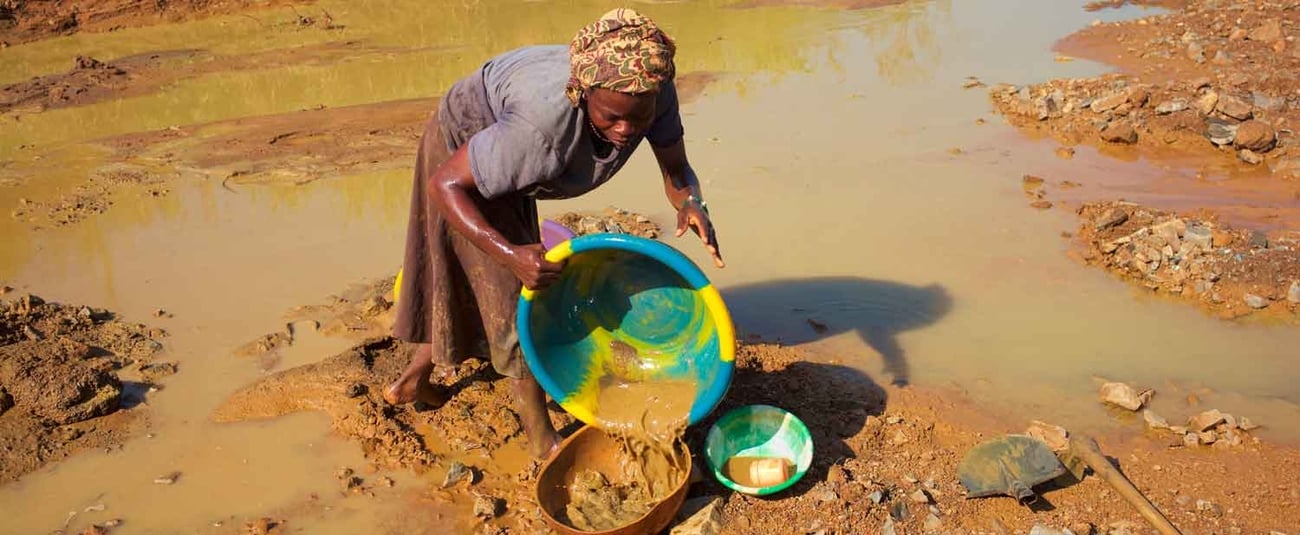
Liberia has secured approval from the Global Environment Facility (GEF) for a major project aimed at sharply reducing mercury pollution in the country’s artisanal and small-scale gold mining (ASGM) sector, with strong backing from the African Development Bank Group.
The initiative, developed by Liberia’s Environmental Protection Agency (EPA) and supported by the Bank Group, will receive $7.67 million in GEF financing, complemented by $24.57 million in indicative co-financing from the African Development Bank. Together, the funding will support a comprehensive transformation of Liberia’s largely informal gold mining industry toward safer, cleaner and more sustainable practices.
The project marks Liberia’s entry into the planetGOLD programme, a global GEF-supported initiative that has already assisted more than 20 countries to reduce mercury use in gold mining while improving environmental outcomes and livelihoods. The approach focuses on strengthening policy and regulatory frameworks, expanding access to finance, promoting mercury-free technologies and building partnerships across government, communities and the private sector.

Building on governance reforms
The initiative also builds on earlier African Development Bank support through the Institutional Support for Enhanced Domestic Revenue Mobilization and Reform Implementation Project, which has sought to improve transparency, governance and oversight in Liberia’s mining sector.
“This is a powerful example of programmatic incrementality,” said Anthony Nyong, Director for Climate Change and Green Growth at the African Development Bank Group. “The foundations established through the Bank’s institutional support are now being expanded into a full-scale environmental and socio-economic transformation of Liberia’s mining sector. It demonstrates that development and environmental protection can go hand in hand.”
Carlos Manuel Rodríguez, CEO and Chairperson of the Global Environment Facility, described the approval as a significant step in global efforts to curb mercury pollution. “By supporting a comprehensive approach that combines policy reform, technology deployment and community engagement, we are helping Liberia lead the way toward a cleaner, safer and more sustainable gold mining sector,” he said.
Protecting miners, communities and ecosystems
Mercury contamination from artisanal gold mining poses serious risks to human health, water systems, soil and biodiversity across Liberia. The sector’s informality has also contributed to deforestation, ecosystem degradation and economic instability, while limiting miners’ access to finance, formal markets and safer technologies.
“This approval is a major victory for the people and environment of Liberia,” said Dr Emmanuel K. Urey Yarkpawolo, Executive Director of Liberia’s EPA. “By tackling mercury pollution at its source, we are protecting our miners, safeguarding our rivers and forests, and building a cleaner and more prosperous gold mining sector. The project moves Liberia closer to fulfilling its NDC 3.0 commitments.”
Measurable development and climate impact
Over its five-year implementation period, the project is expected to deliver clear, quantifiable outcomes, including:
- A reduction of 50 metric tonnes of mercury use
- Restoration of 10,000 hectares of degraded land
- Avoidance of 148,000 metric tonnes of CO₂ emissions
- Improved livelihoods and safer working conditions for 20,000 people, including 12,000 women
Through formalisation, access to finance, clean technologies and sustained community engagement, the initiative will help Liberia meet its obligations under the Minamata Convention on Mercury, while contributing to multiple Sustainable Development Goals covering climate action, health, biodiversity and decent work.
As part of the broader planetGOLD+ initiative, Liberia will also benefit from regional and global collaboration, peer learning and access to tested solutions from other GEF-supported countries. The project positions the country to play a leading role in the transition toward mercury-free gold supply chains, balancing environmental stewardship with inclusive and sustainable economic development.
Share this content: