US-backed “Liberty Corridor” Highlights Rising Competition With China in West Africa’s Iron Ore Belt
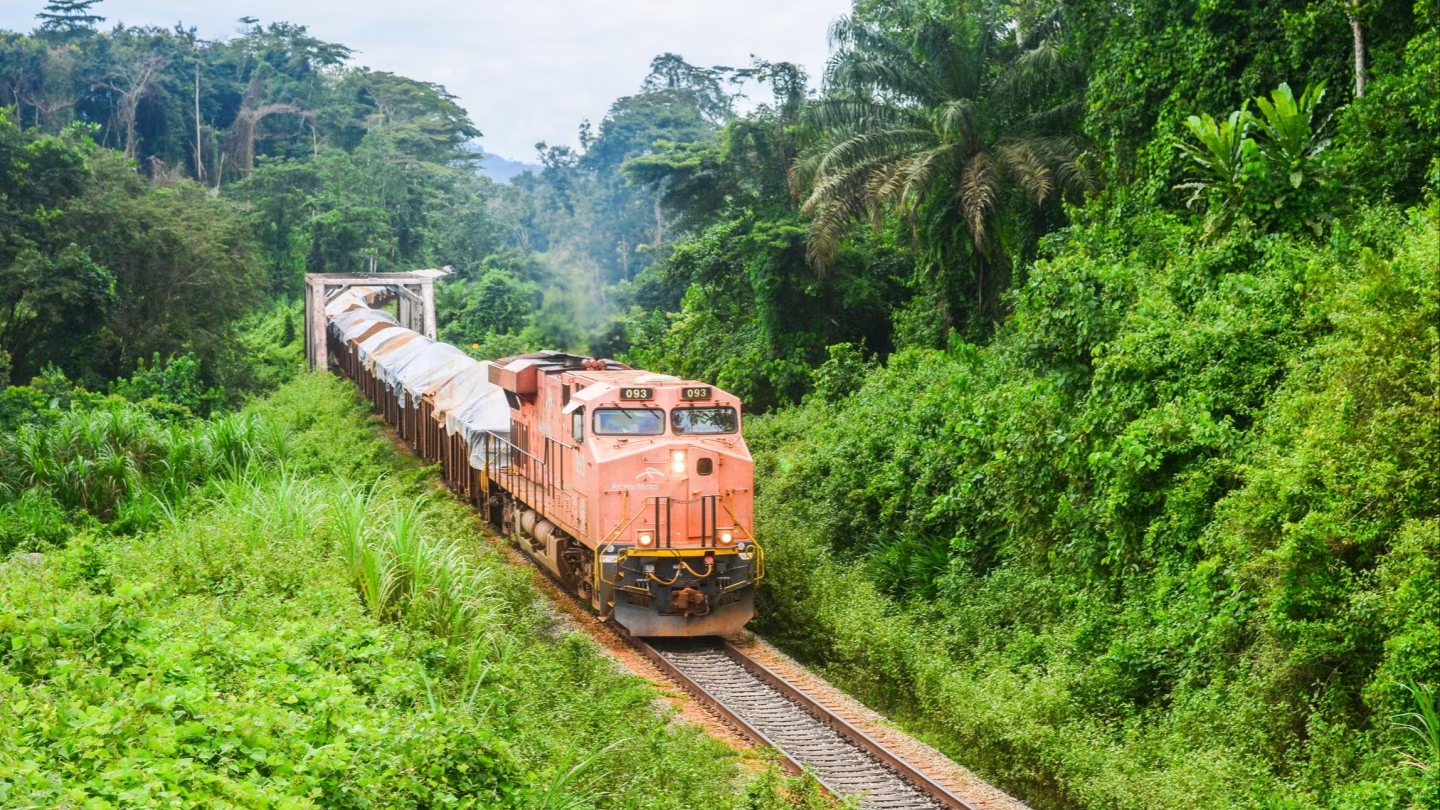
A freight train carries iron ore from the Nimba deposit along the ‘Liberty Corridor’ to the port of Buchanan, Liberia, for ArcelorMittal © jbdodane/Alamy
A proposed US-aligned iron ore supply route in West Africa is emerging as the latest front in intensifying competition between Washington and Beijing over critical mineral access on the continent.
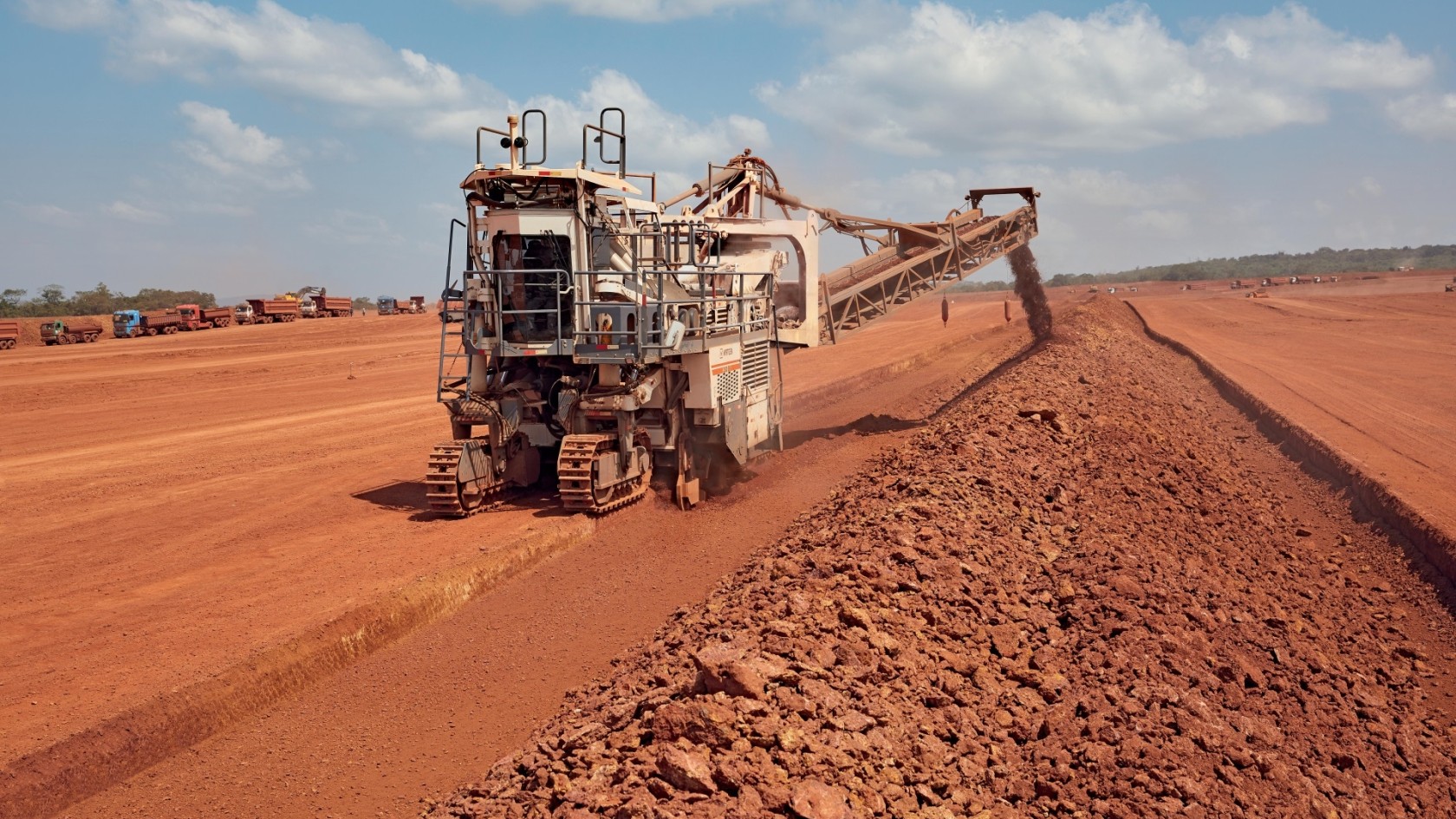
The project, known as the Liberty Corridor, centres on the Kon Kweni iron ore deposit in south-east Guinea, owned by Ivanhoe Atlantic, a US-headquartered company founded by mining entrepreneur Robert Friedland. The deposit lies close to the massive Simandou project, which is being developed by a China-backed consortium and is expected to reshape global iron ore supply once operational.

Ivanhoe Atlantic has positioned Kon Kweni as a strategic alternative to China-linked supply chains, pledging that its high-grade iron ore would be reserved exclusively for the United States and allied economies. The company plans to export the ore through neighbouring Liberia, rather than using Chinese-built infrastructure in Guinea.
Strategic intent meets regional realities
At the heart of the proposal is a cross-border logistics plan that would allow Ivanhoe to move iron ore along a Liberian railway currently used by ArcelorMittal, Liberia’s largest foreign investor. Liberia’s lower house of parliament has ratified legislation allowing shared rail access, bringing the project closer to its target of first shipments in 2027.
However, the plan has exposed tensions across multiple fronts. In Liberia, concerns persist about how shared use of the railway would affect ArcelorMittal’s operations and prior infrastructure investments. In Guinea, officials have signalled that political support for exporting Guinean ore through Liberia may be weakening, particularly now that Guinea’s own large-scale Simandou infrastructure is nearing completion.
Washington politics complicate the message
While Ivanhoe Atlantic has promoted the Liberty Corridor as aligned with US strategic interests, the project has encountered scepticism in Washington. Some US lawmakers have questioned the company’s positioning as an “America First” supplier, pointing to historic Chinese investments in other Friedland-associated mining ventures.
Ivanhoe Atlantic has rejected those claims, stressing that it is a separate entity with different ownership and governance, and that Chinese investors hold no controlling stake in its operations. Nonetheless, the scrutiny underscores how difficult it has become for large African mining projects to navigate US-China rivalry — particularly when capital structures span multiple jurisdictions.
Africa’s leverage in a multipolar minerals race
For West African governments, the situation reflects a broader strategic calculus. Countries such as Guinea and Liberia are increasingly weighing competing offers from global powers, balancing infrastructure access, fiscal returns and sovereignty over mineral resources.
Analysts note that while the US has stepped up engagement through selective infrastructure initiatives, its approach remains less consistent than China’s long-term investment strategy across Africa’s mining corridors. As a result, projects tied closely to shifting political priorities in Washington may face higher execution risk.
Outlook
The Liberty Corridor illustrates both the opportunity and complexity facing Africa’s resource-rich economies as global powers seek to diversify supply chains away from China. While geopolitical interest can unlock capital and infrastructure, final outcomes will depend on domestic political alignment, regional cooperation and commercially viable terms for host countries.
For Africa, the renewed attention reinforces a central reality: strategic minerals are no longer just an economic asset — they are a diplomatic and geopolitical lever.
Share this content: