High-grade Iron Ore in Guinea draws U.S. investment, Emerging as strategic rival to China’s $24bn Simandou project
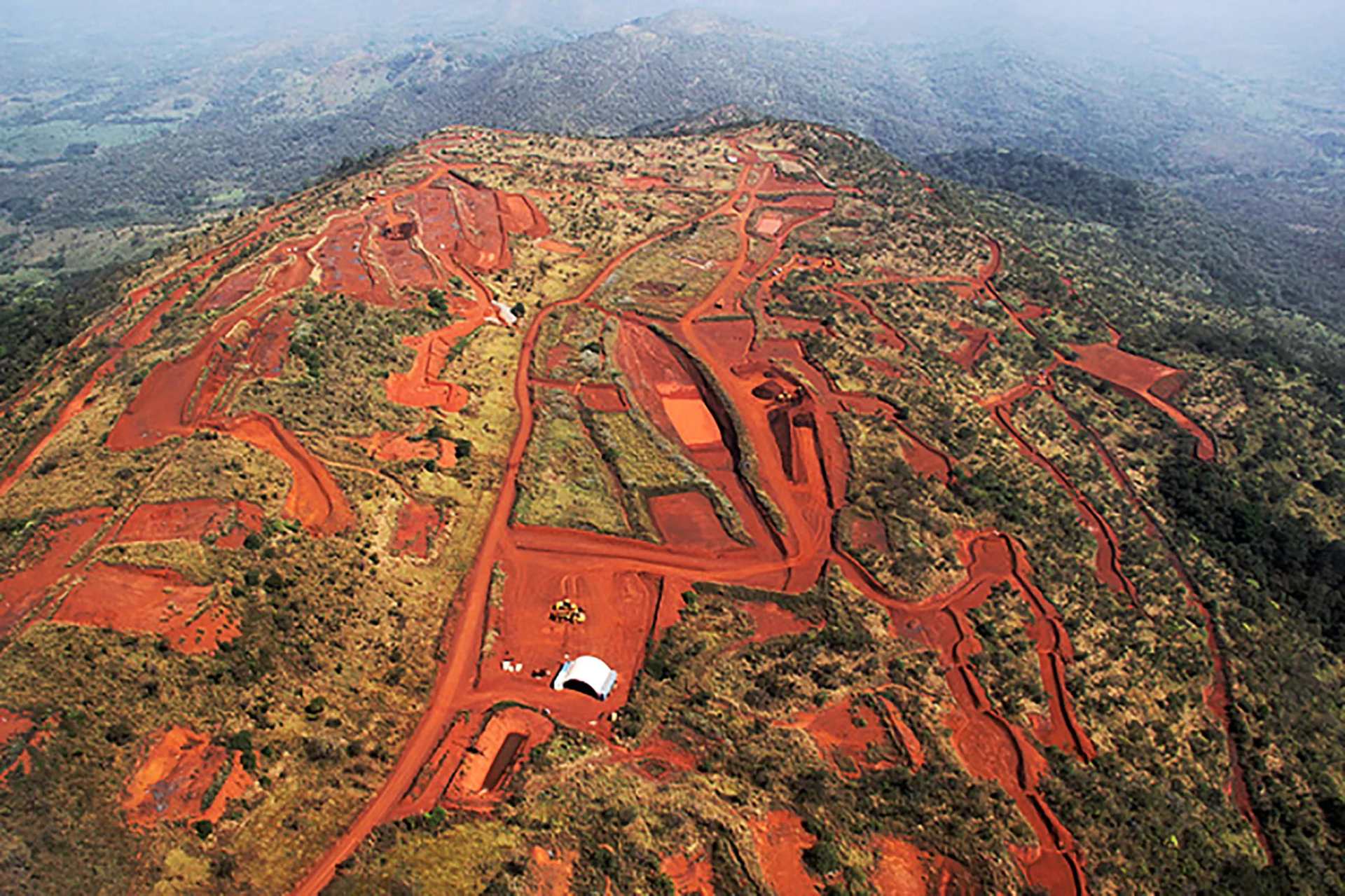
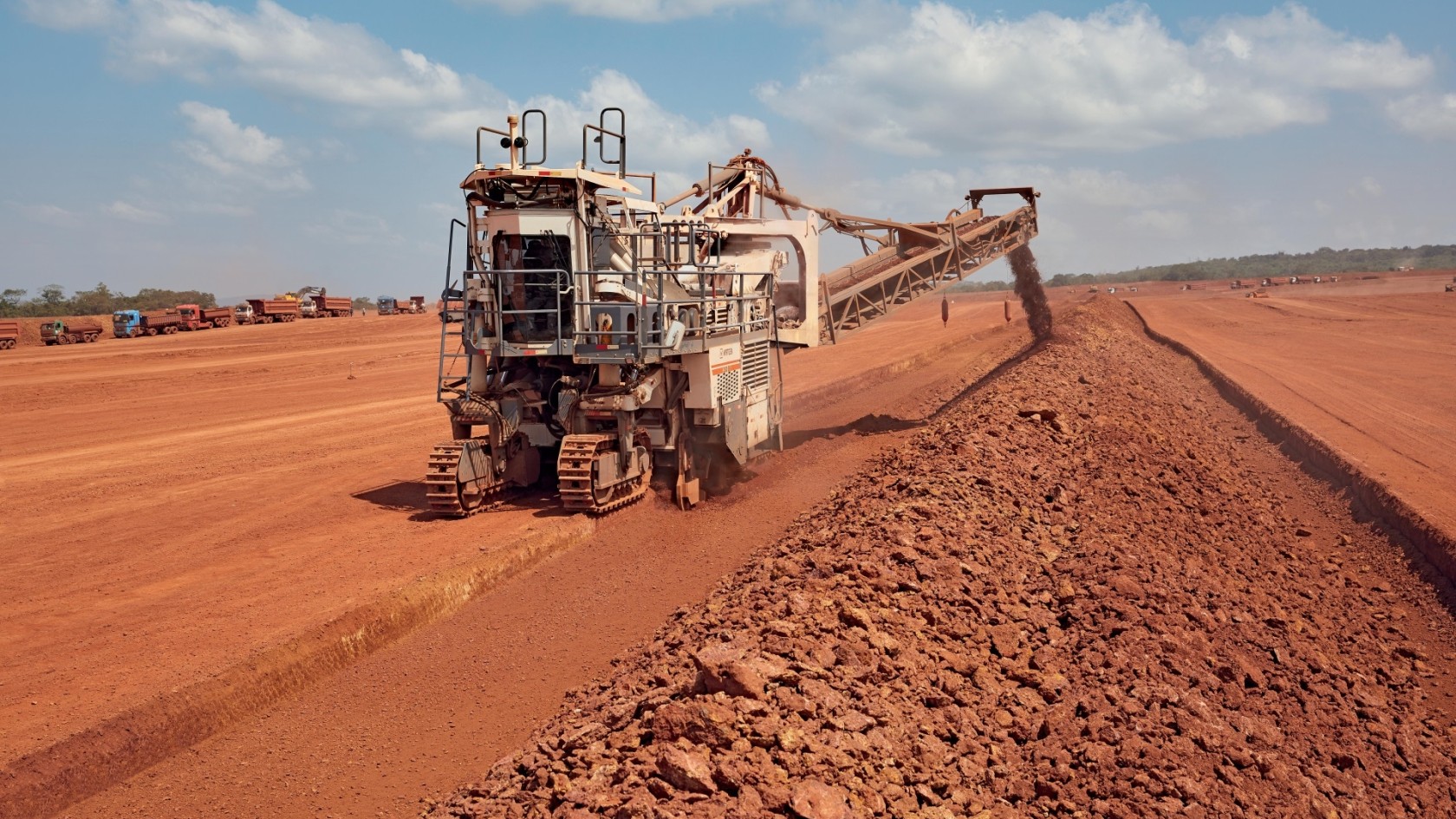
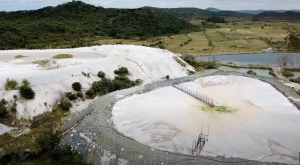
An aerial view of the Simandou mine, one of the world’s largest high-grade iron ore deposits, located in Guinea’s Nzérékoré Region.
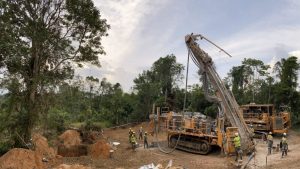
Southeastern Guinea has become the focal point of a renewed global contest for strategic minerals, as a new US$1.8 billion high-grade iron ore project emerges to challenge China’s dominant US$24 billion Simandou development. The Kon Kweni deposit, operated by U.S.-based Ivanhoe Atlantic, is positioning itself as a Western-aligned alternative in Africa’s iron ore sector, signaling a shift in the geopolitics of mining on the continent.
The Simandou project, led by Rio Tinto in partnership with Chinese investors, recently shipped its first cargo of approximately 200,000 tonnes of high-grade iron ore to China. The shipment marks a major milestone in the long-delayed US$23 billion development and aligns with Beijing’s broader strategy to secure critical raw materials and control steelmaking supply chains across Africa.

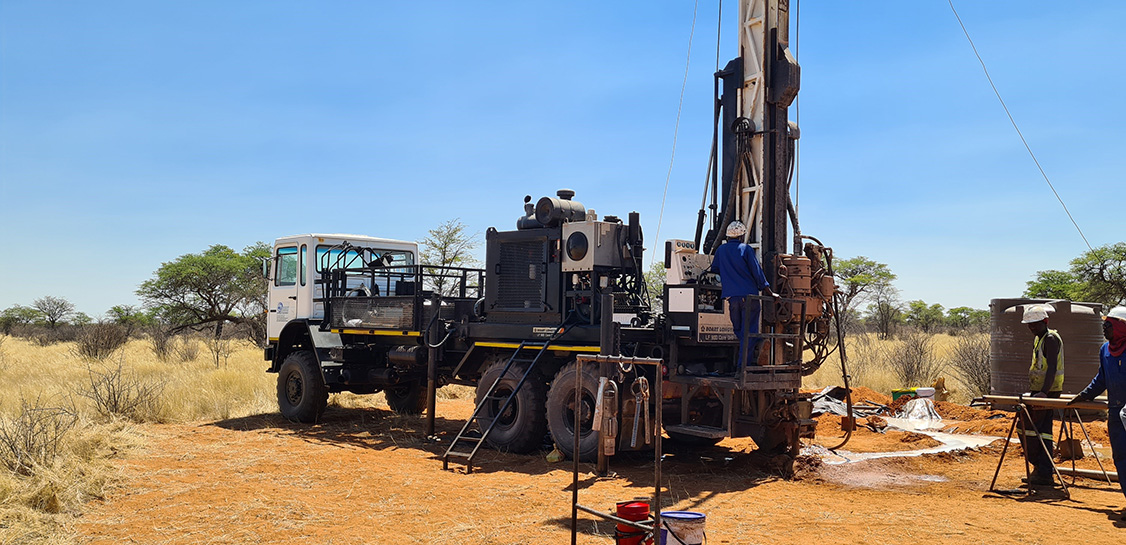
By contrast, the Kon Kweni deposit—located about 160 kilometres from Simandou in the forested Nimba Mountains—positions the United States as a strategic counterweight. Ivanhoe Atlantic has branded the initiative the “Liberty Corridor,” underscoring its aim to establish an independent, Western-oriented supply route.
Founded by American-Canadian mining entrepreneur Robert Friedland, Ivanhoe Atlantic plans to export iron ore with a grade of 66.5 percent through neighbouring Liberia. This approach avoids reliance on Chinese-built rail infrastructure connecting Simandou to Guinean ports and processing facilities, offering greater supply chain autonomy.
The company has stated that production from Kon Kweni will be directed exclusively to U.S. and allied markets, reflecting the project’s strategic purpose amid rising global demand for premium iron ore. Bronwyn Barnes, President and Chief Executive Officer of Ivanhoe Atlantic, described the initiative as “helping counter China’s tightening grip on critical minerals.”
First shipments are expected in the first half of 2027, subject to Liberia ratifying agreements that would allow the use of existing rail infrastructure serving regional producers, including ArcelorMittal.
Kon Kweni highlights how Africa’s mineral wealth is once again drawing intense interest from competing global powers. For Guinea and the wider West African region, the surge in investment presents both opportunity and risk. While large-scale mining projects promise employment, infrastructure development, and fiscal revenue, strategic rivalry may also shape pricing, supply allocation, and governance outcomes.
Analysts note that China’s heavy investment in African mines, ports, and railways over the past 15 years has secured it a dominant position in mineral supply chains. U.S. firms, though historically less entrenched, are increasingly mobilising capital and partnerships to gain access to critical minerals essential to global industry and technological development.
Ivanhoe Atlantic’s project reflects this recalibration, targeting premium iron ore markets in the United States and allied economies while deliberately bypassing Chinese-controlled infrastructure corridors.
For the mining sector, Kon Kweni represents a potential benchmark in efficiency and geopolitical risk management. High-grade ore combined with independent transport routes allows producers and investors to avoid logistical bottlenecks while enhancing supply chain resilience. For African policymakers, the project underscores the importance of negotiating infrastructure access, regulatory frameworks, and export arrangements that align strategic investments with national development goals.
Beyond Guinea, the competition over iron ore mirrors wider trends across Africa, where U.S. and Chinese firms are competing for access to copper, cobalt, and rare earth minerals. Initiatives such as the Lobito Corridor—linking copper production in Zambia and the Democratic Republic of Congo to Angola’s Atlantic coast—highlight the growing strategic importance of integrated mining and transport infrastructure.
As Kon Kweni advances toward its first shipment, the project will serve as a test case for how African mineral governance, infrastructure development, and geopolitical strategy can converge to meet both regional development priorities and global industrial demand.
Share this content: