Kanona Power to Build US$100 Million Zambia–Tanzania Transmission Link to Boost Regional Energy Trade
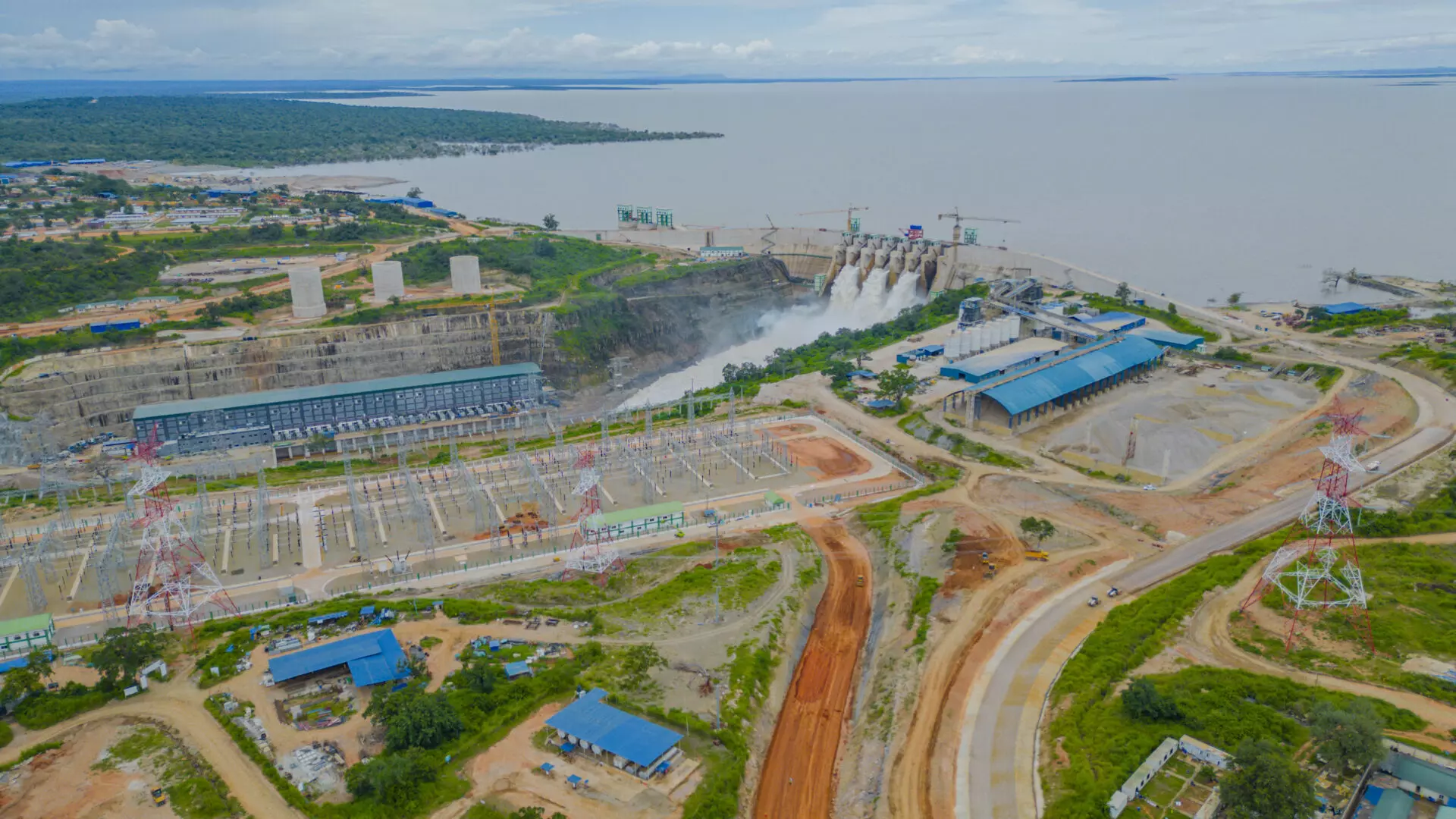
A Kanona Power initiative to construct a high-voltage electricity transmission line between Zambia and Tanzania has emerged as a significant private-sector effort to strengthen cross-border power trade and support regional industrial growth. The proposed project is expected to cost around US$100 million and could transform Zambia’s role in southern and eastern African electricity markets.
The planned transmission line will run from Mwakibete in south-western Tanzania to Nakonde, a key border town in north-eastern Zambia. When completed—potentially within the next year—the line would represent the first direct interconnection between the two countries’ grids developed by a private investor, complementing a larger World Bank-backed interconnector scheduled for later completion.
Connecting Power Surpluses and Demand

Zambia’s power system has faced persistent challenges in recent years, including drought-related declines in hydropower generation that have strained electricity supplies. The new transmission line is designed to expand Zambia’s capacity to import electricity, particularly from Tanzania, which has recently increased generation through major projects such as the 2,115 MW Julius Nyerere Hydropower Plant. By enhancing grid redundancy and stability, the link is expected to reduce the risk of future power shortages and support energy-intensive sectors such as mining.
For Tanzania, the line opens additional avenues to export surplus electricity to regional markets—maximising the benefits of its growing generation capacity. Strengthened interconnections between the two nations also fit into larger continental plans to develop a unified electricity grid stretching across sub-Saharan Africa, unlocking greater energy trade and resilience.
Complementing Broader Regional Initiatives
While the Kanona Power project stands out as a private sector-led transmission development, it is set against a broader backdrop of regional grid expansion supported by multilateral partners. For example, the World Bank is financing a larger Zambia-Tanzania Interconnector Project that forms part of a continental vision linking power systems from Cape Town to Cairo—a strategic goal to foster stronger energy integration across the continent.
Implications for Economic Integration
The new transmission line promises to boost regional energy trade, help stabilise power supplies, and support key industries—particularly Zambia’s copper sector, which demands reliable, cost-effective electricity. If realised on schedule, the project could also signal a growing role for private capital in building critical regional energy infrastructure, complementing government and development finance efforts.
Overall, the US$100 million Zambia–Tanzania transmission project reflects an important step toward deeper regional energy connectivity—one that could unlock substantial economic and industrial benefits for both countries and the wider region.
Share this content: