Sino-Metals Faces Scrutiny Over Massive Toxic Spill in Zambia
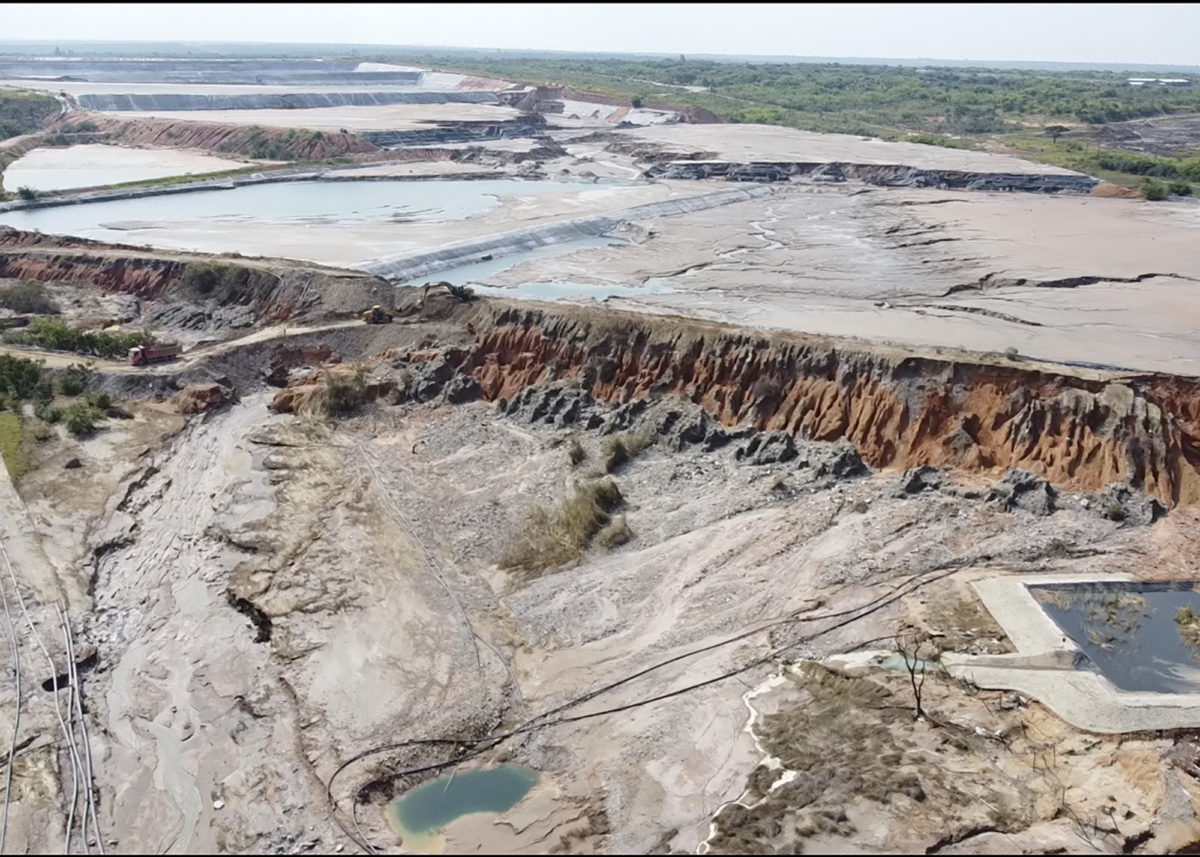
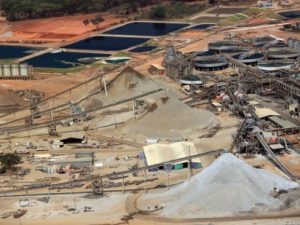
An aerial view of the Sino-Metals Leach Zambia copper mine near Kitwe revealed a significant dam breach in February 2025, triggering one of the country’s most serious environmental crises in recent years.
Initial reports from Sino-Metals claimed that only 50,000 metric tons of waste had spilled. However, findings from South African pollution control firm Drizit Environmental—hired in April to assess the damage—painted a far graver picture. According to Drizit’s fieldwork, over 1.5 million metric tons of waste were released, with approximately 900,000 cubic meters of toxic tailings still contaminating the environment. These tailings contained hazardous levels of cyanide, arsenic, lead, cadmium, and other heavy metals linked to severe health risks including cancer, birth defects, and organ damage.
Drizit was dismissed by Sino-Metals just one day before its final report was due in June.

Compensation Controversy and Legal Fallout
In July, the Zambian government ordered Sino-Metals to provide interim compensation to 454 farmers affected by the spill. Payments ranging from $17 to $2,000 were issued, but civil society groups criticized the amounts as grossly inadequate. Victims were reportedly required to sign legal waivers declaring the payments as “full and final settlement” of all claims—raising concerns about informed consent and legal coercion.
Lawyer Malisa Batakathi, representing 47 households seeking $220 million for relocation and medical support, stated: “Most of them did not know the implications of what they were signing.”
Two advocacy groups have since demanded a combined $420 million in emergency compensation and nearly $90 billion for long-term cleanup and restoration.
Environmental Impact and Public Health Risks
The Kafue River basin—home to 60% of Zambia’s population and a vital water source for agriculture, fishing, and industry—has been severely affected. Independent tests, including those commissioned by the Embassy of Finland, confirmed the presence of 24 heavy metals in the Mwambashi Stream and Kafue River. Sixteen of these exceeded World Health Organization safety thresholds, with contamination detected nearly 100 kilometers downstream near Mpongwe.
Drizit warned that unless the remaining toxic tailings are removed and safely contained, downstream communities will face long-term exposure risks.
Government Response and Ongoing Investigations
Vice President Nalumango met with Sino-Metals officials and issued a stern warning: “When there is an outcry from our people, their safety must come first. That is non-negotiable.” She emphasized that the investigation is ongoing and that further compensation may be pursued if the damage proves more extensive than initially reported.
The dismissal of Ermelinda Maquenze, director of Sofala Provincial Environmental Services—who had ordered the timber seizure and initiated legal proceedings—just days before the trial, has raised concerns of political interference.
As Zambia grapples with the fallout, the case underscores the urgent need for transparent environmental governance, corporate accountability, and robust safeguards for affected communities.
Share this content: