Rising Platinum Prices Point to Stabilisation for South Africa’s Power-intensive Mining Sector

Platinum and palladium prices have continued their upward momentum into early 2026, underpinned by ongoing supply constraints, trade-related disruptions and stronger-than-expected physical demand. This is according to Bank of America Global Research’s Global Metals Weekly, published on January 9.
The report indicates that platinum spot prices climbed to approximately US$2 446/oz, surpassing earlier projections. As a result, Bank of America has revised its 2026 average platinum price forecast upward to US$2 450/oz. Platinum is expected to continue outperforming palladium, supported by a persistent structural deficit, with global platinum demand forecast to exceed supply at least through 2027.
Supply constraints in South Africa played a key role in tightening the platinum market during 2025. The report notes that mined platinum group metals (PGMs) output from the country fell by about 5% year-on-year between January and October 2025. This decline was largely attributed to operational disruptions, including flooding incidents and extended plant maintenance. While a modest recovery in production is anticipated, Bank of America does not expect it to be sufficient to close the platinum deficit in 2026.

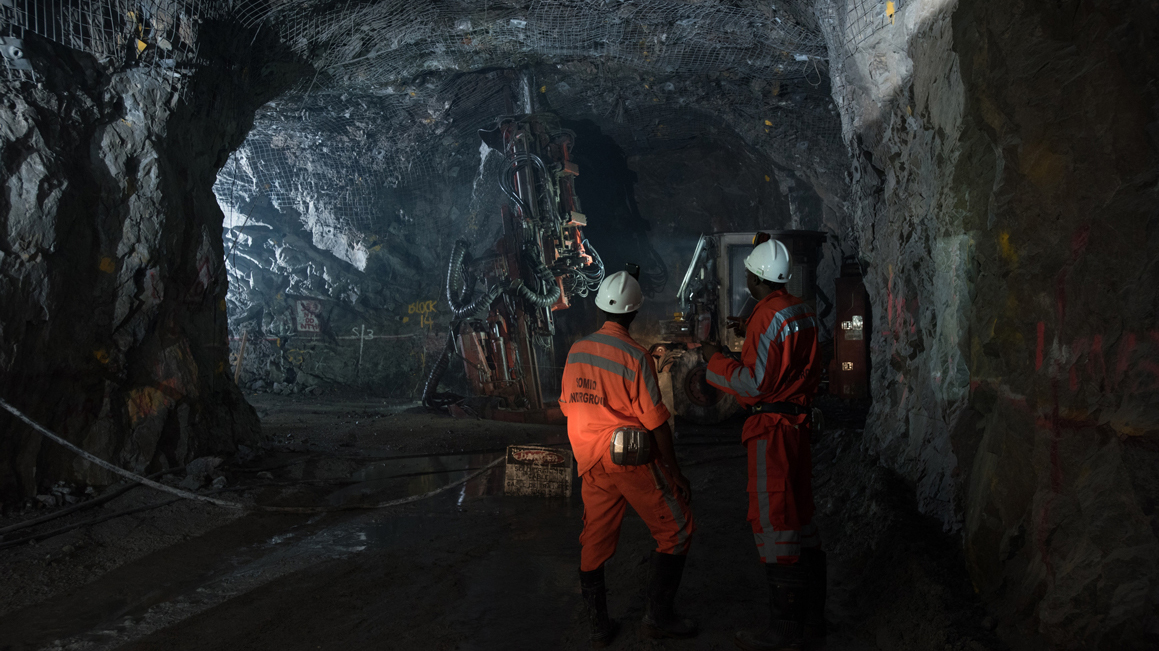
From an energy-sector perspective, higher platinum prices have significantly improved profitability across major PGM producers, including those operating in South Africa. At current price levels, even higher-cost operations are reportedly generating positive margins, following losses recorded in 2024. This improvement reduces the likelihood of near-term mine closures and supports the continued operation of electricity-intensive mining and processing assets, rather than aggressive capacity expansion.
However, the report cautions that any supply response is likely to be gradual. Producers are expected to focus on extending the life of existing operations, implementing phased production ramp-ups and restarting assets previously placed on care and maintenance. Fast-tracked greenfield developments remain unlikely, as long project lead times and continued capital discipline are expected to constrain rapid increases in output.
Share this content: