Zambia’s Copper Output Rises 8% in 2025 as Mining Reforms Begin to Deliver Results
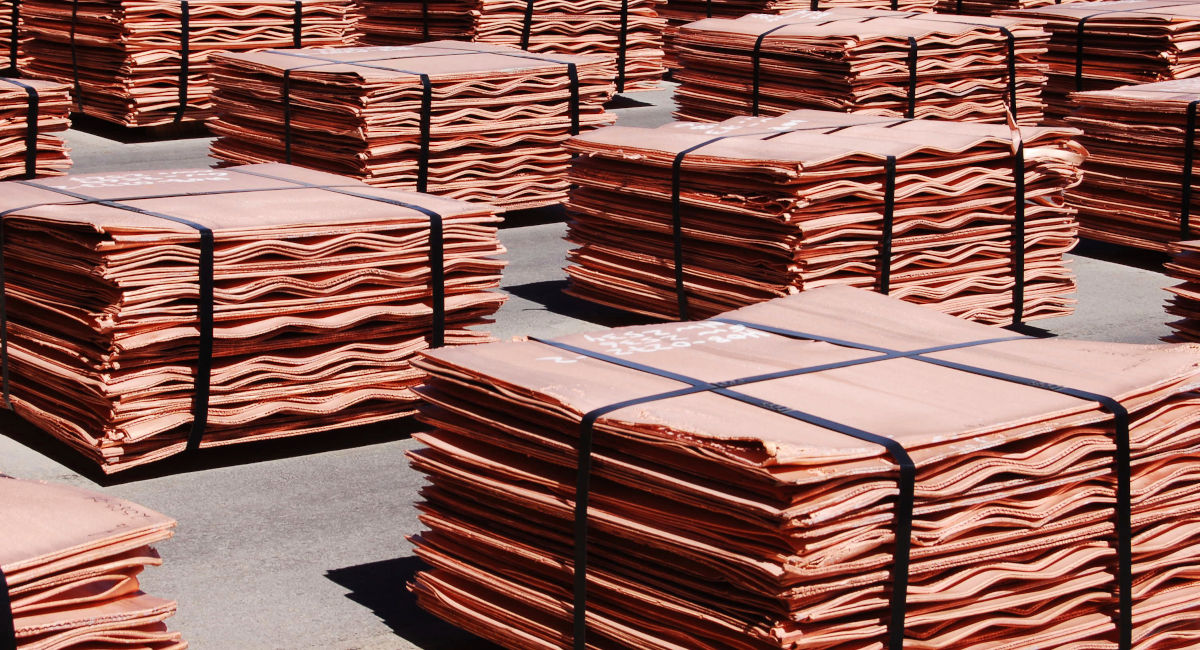
Zambia, Africa’s second-largest copper producer after the Democratic Republic of Congo, recorded an 8% increase in copper production in 2025, signalling early gains from ongoing mining sector reforms.
According to data released by the Ministry of Mines and Minerals Development, copper output rose to 890,346 metric tonnes in 2025, up from 825,513 metric tonnes the previous year.
Improved Performance at Major Mines

Speaking at a press briefing in Lusaka, Minister of Mines and Minerals Development Paul Kabuswe attributed the increase to improved performance at key operations, including Mopani Copper Mines, Konkola Copper Mines, and Kansanshi Mine.
Kabuswe said the production growth reflects targeted government interventions aimed at stabilising mining companies previously constrained by operational inefficiencies, underinvestment, and exposure to volatile global commodity prices.
“These gains are the result of deliberate policy actions to restore productivity and attract long-term capital into the sector,” he said.
Ambitious Production Targets
The copper rebound forms part of a broader national strategy to reposition Zambia as a leading global copper supplier at a time when demand for the metal is accelerating due to renewable energy systems, electric vehicles, and grid infrastructure.
The government has set a long-term goal of increasing annual copper output to three million metric tonnes by 2031, a target that would significantly elevate Zambia’s standing in global copper markets.
Investor Confidence and Policy Direction
While challenges such as price volatility, power supply constraints, and logistics bottlenecks persist, analysts say the 2025 figures point to a cautiously positive outlook. The uptick in production is widely seen as a sign of renewed investor confidence in Zambia’s evolving mining policy environment.
Recent reforms have focused on improving regulatory certainty, strengthening transparency, and ensuring a more balanced distribution of mining revenues, while maintaining the commercial viability needed to attract large-scale investment.
Broader Development Implications
Historically, Zambia’s mining sector has been shaped by external dependencies and the cyclical nature of commodity markets. Recent policy adjustments, however, suggest a shift toward a more integrated development model—one that places greater emphasis on community participation, skills development, and value addition.
This transition mirrors a wider reassessment across resource-rich African countries as they align extractive industries with global energy transitions and domestic development objectives.
In Zambia’s case, rising copper output is increasingly being linked to calls for downstream processing, local supply-chain development, and stronger linkages between mining and the broader economy.
Outlook
By aligning its copper ambitions with national development priorities and global sustainability trends, Zambia appears to be redefining its approach to resource governance. The latest production gains therefore carry significance beyond headline numbers, pointing to a more strategic and inclusive engagement with the country’s mineral wealth.
Share this content: