BHP Re-engages South African Mining as Sector Faces Critical Turning Point
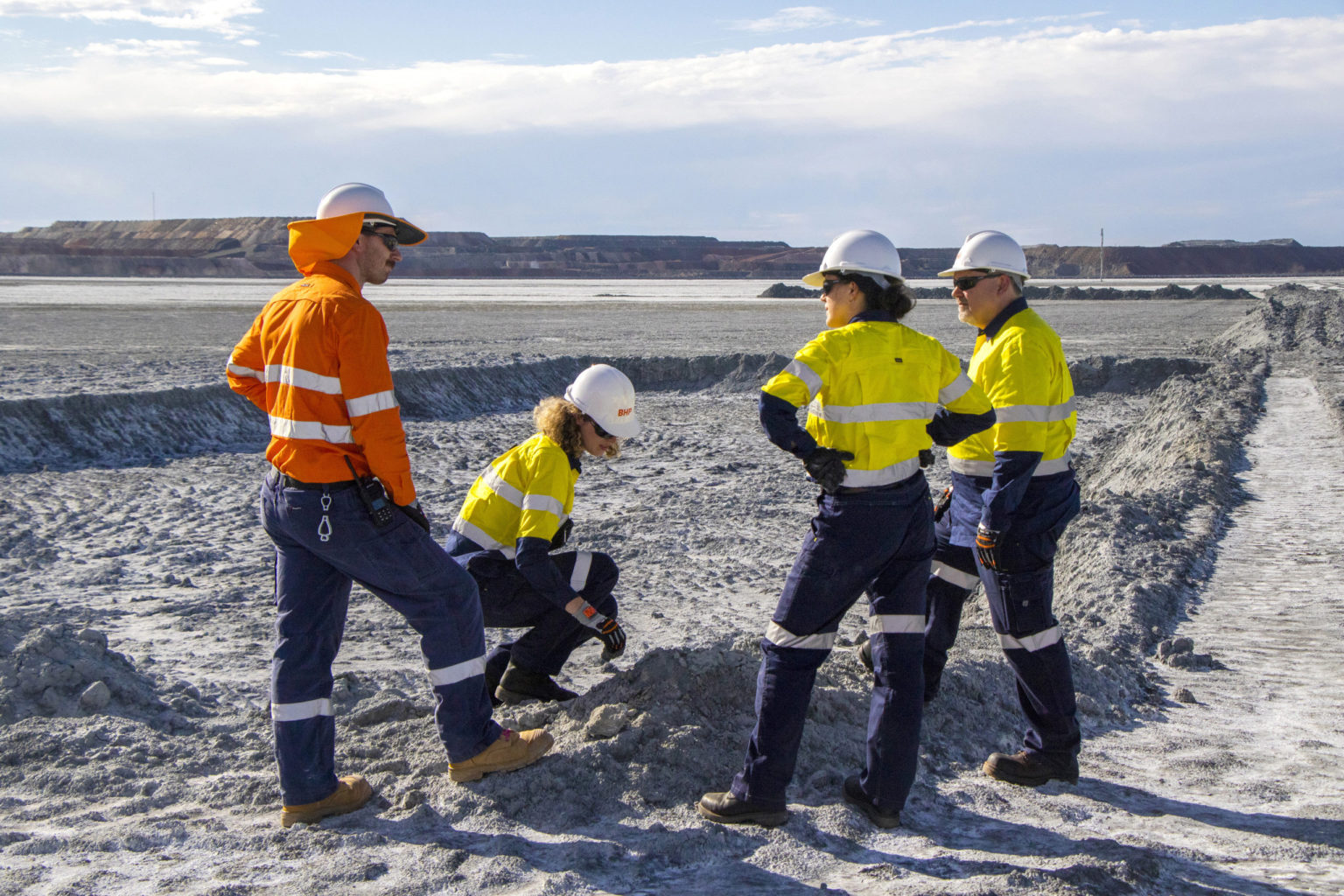
South Africa’s mining sector is entering a pivotal phase, with renewed interest from global mining giant BHP highlighting both the country’s resource potential and its ongoing structural challenges.
After more than a decade of limited direct exposure, BHP has begun re-engaging with South Africa through a series of strategic initiatives. These include partnerships with junior miners, collaboration with the Council for Geoscience, and the rollout of exploration-focused programmes aimed at strengthening geological data and regional expertise.
The move signals a shift in how major mining companies are approaching South Africa — not through large-scale capital commitments, but through targeted investments in knowledge, partnerships, and future optionality.

Exploration declines despite strong resource base
South Africa remains richly endowed with critical minerals, including manganese, platinum group metals, and base metals essential to the global energy transition. However, exploration investment continues to decline sharply.
According to official data, exploration spending has fallen significantly over the past two decades, dropping from a peak of R6.2 billion in 2006 to below R1 billion in recent years. This trend reflects growing investor caution amid concerns over infrastructure reliability, regulatory uncertainty, and rising operational costs.
Infrastructure constraints weigh on competitiveness
Persistent challenges linked to electricity supply and logistics continue to undermine the sector’s competitiveness. Rising power tariffs and ongoing inefficiencies in rail and port systems have increased costs and reduced export capacity for mining companies.
These constraints have contributed to South Africa’s declining position in global mining investment rankings, with investors increasingly favouring jurisdictions offering greater policy certainty and infrastructure stability.
BHP adopts a cautious re-entry strategy
Rather than committing to new mining operations, BHP’s current approach reflects a measured strategy focused on building long-term insight into the region.
Its involvement in exploration initiatives and data-sharing partnerships allows the company to maintain exposure to South Africa’s geological potential while limiting financial risk. This model is increasingly common among major mining firms assessing frontier or high-risk jurisdictions.
While the financial scale of these initiatives remains modest, their strategic significance lies in signalling renewed interest in Southern Africa’s mineral potential, particularly as global demand for critical minerals accelerates.
Global demand creates opportunity
The growing demand for transition minerals used in renewable energy, electric vehicles, and advanced technologies is prompting mining companies to reassess regions previously considered too complex or high-risk.
Southern Africa, with its extensive mineral reserves, is well positioned to benefit from this shift. However, translating resource potential into sustained investment will depend on improvements in infrastructure, regulatory efficiency, and overall investment conditions.
A defining moment for South African mining
BHP’s re-engagement comes at a time when South Africa’s mining sector faces a clear inflection point. While there are signs of policy reform and increased dialogue around industry challenges, tangible improvements in operational conditions remain limited.
The country’s ability to attract long-term mining investment will depend on addressing longstanding structural issues, particularly in energy supply, logistics, and regulatory processes.
As global competition for capital intensifies, South Africa’s mining sector will need to demonstrate that it can offer both resource potential and a stable operating environment.
Share this content: