Mali’s Gold Sector Attracts New Investment Amid Political Stabilization and Regulatory Shifts

By Bradley Riviera
Mali’s gold industry is undergoing a complex but promising transformation, as political stabilization and high global gold prices draw renewed interest from international investors. Despite recent turbulence, the country remains Africa’s third-largest gold producer, and its strategic importance in the global precious metals market is growing.
Production Rebound and Investment Surge

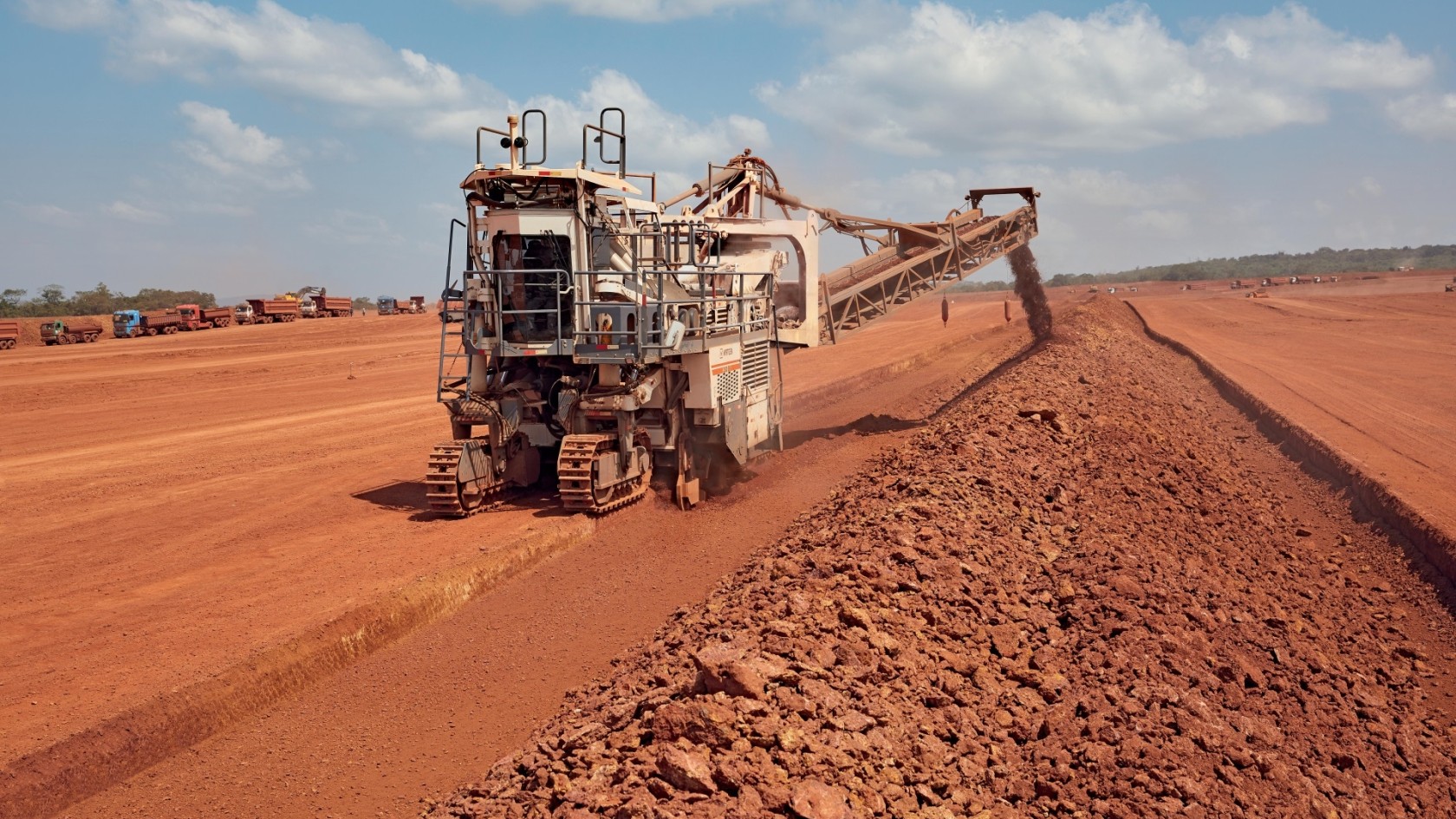
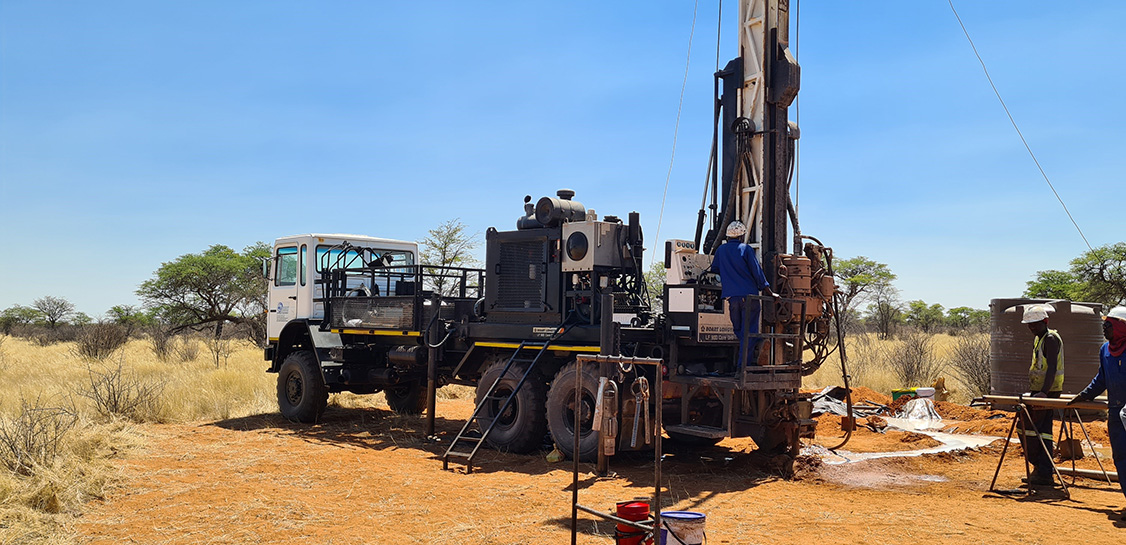
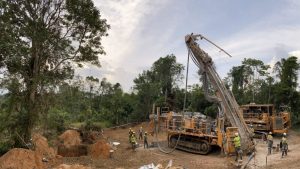
According to the Chamber of Mines, Mali’s gold output rose by 8% in the first half of 2025, driven by expansions at flagship sites like the Loulo-Gounkoto and Fekola mines. Barrick Gold and B2Gold have resumed exploration and committed over $600 million in new capital, signaling cautious optimism after months of stalled operations.
However, Barrick’s Loulo-Gounkoto complex—one of its largest African assets—was removed from the company’s 2025 output forecast following a two-year dispute with Mali’s military-led government over mining legislation. The standoff led to suspended exports, staff detentions, and the seizure of three metric tons of gold stock. Negotiations are ongoing, with Mali recently allowing Barrick to repatriate 20% of its earnings to an international account—an unprecedented concession.
Legal and Policy Reforms
Mali’s revised mining code aims to attract foreign investment while ensuring greater national benefit. Key provisions include:
• Reduced royalties for industrial miners
• Faster permitting processes
• Mandatory 40% local sourcing for services and supplies
• Preference for domestic courts in future legal disputes
While the government seeks to assert more control over mining contracts, companies like Barrick are pushing for international arbitration clauses to protect their interests.
A court hearing scheduled this week may determine whether a provisional administrator will be appointed to oversee the Loulo-Gounkoto complex, potentially sidelining Barrick from operational control.
Artisanal Mining Suspension
In parallel, Mali has suspended all small-scale gold mining activities until September 30, 2025, citing safety concerns during the rainy season. Artisanal mining, which produces an estimated 6 tons of gold annually, is plagued by tunnel collapses,landslides, and informal operations that bypass official channels.
The Ministry of Mines stated the suspension is intended to reduce accident risks, especially seasonal flooding that has caused multiple fatalities this year. Despite its dangers, artisanal mining remains a vital income source for thousands of workers, many from rural or migrant backgrounds.
Outlook and Strategic Importance
With gold prices hovering near record highs, Mali stands to gain significantly if it can stabilize its regulatory environment and rebuild investor trust. Analysts believe the country could rival Ghana in gold output by 2028, provided industrial operations resume and artisanal mining is formalized.
“Mali’s gold sector is at a crossroads,” said Mamadou Traoré, President of the Chamber of Mines. “We must balance investor confidence, community development, and national sovereignty to unlock its full potential.”
As negotiations continue and reforms take shape, Mali’s mining future will depend on its ability to harmonize economic ambition with responsible governance.
Share this content: