Angola’s Tetelo Mine Marks Country’s Entry into Large-Scale Copper Production

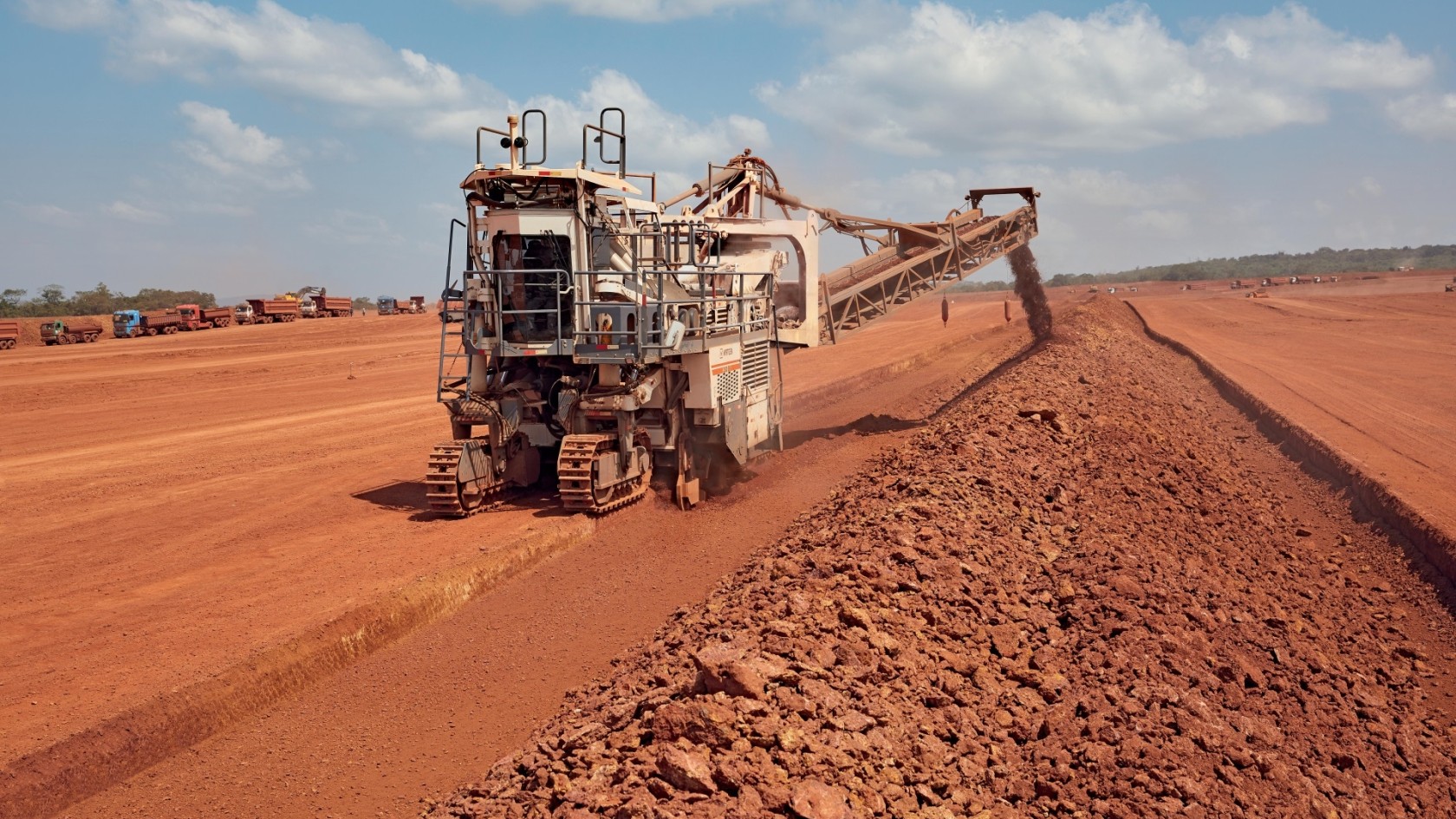
Luanda — Angola will begin commercial production at its first major copper mine, Tetelo, on October 29, 2025, a move that signals a strategic push to diversify the oil-dependent economy into minerals essential for the energy transition. The $250 million project, owned by Shining Star Icarus — a joint venture between China’s Shining Star International Group and Angola’s Sociedade Mineira de Cobre de Angola — is expected to produce about 25,000 tonnes of copper concentrate annually during its initial two years of operation.
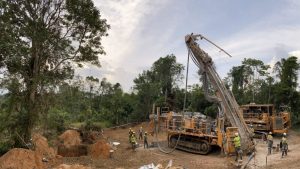
Mines Minister Diamantino Azevedo announced the inauguration at a conference in Luanda, describing the event as the launch of Angola’s first underground copper operation, although the mine will open with an initial open-pit phase. Company management says the plan is to move into underground mining in the second half of 2026 as production ramps and infrastructure is established.
Tetelo’s concentrate will flow under an offtake agreement with commodities trader Glencore, providing an early sales channel that supports project bankability. The project’s staged approach — open pit followed by underground works — aims to accelerate cash flow while crews complete deeper development and processing upgrades required for sustained production.

The Tetelo development positions Angola as an emergent copper producer at a time of rising global demand for battery and grid metals. Copper’s central role in electrification, renewable-energy systems and electric-vehicle networks makes new African supply sources strategically important for global markets seeking to diversify away from concentrated supply chains.
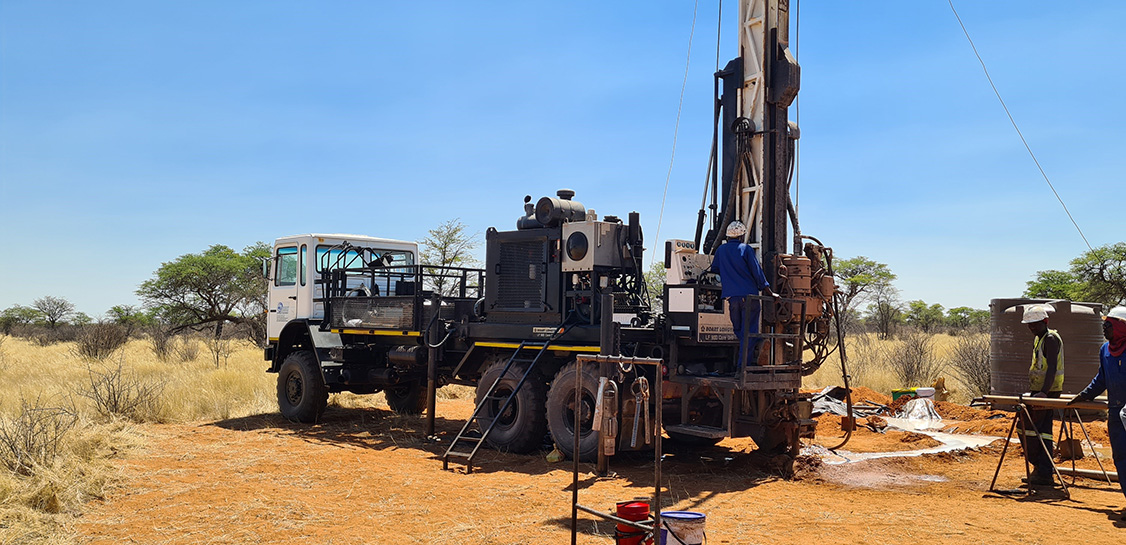
Beyond Tetelo, Angola is attracting additional exploration and investment interest in copper. International miners and explorers, including firms such as Ivanhoe Mines and Anglo American, are progressing projects and exploration campaigns that could expand the country’s contribution to regional copper output over the coming decade.
Tetelo also illustrates a broader continental trend: oil-rich countries seeking to broaden their mineral base by developing critical minerals tied to the energy transition. For Angola, success will depend on efficient project execution, reliable infrastructure, and the regulatory clarity needed to convert early projects into a pipeline of sustainable mining investment.
The Tetelo start-up carries local development implications as well. New mining activity typically generates demand for goods and services, from local contracting and transport to food supply and housing, creating near-term economic opportunities in host regions. At the same time, the expansion of mining operations raises familiar challenges around water use, energy supply, environmental management and community engagement — issues that will require coordinated planning between the company, provincial authorities and national regulators.
As Tetelo moves into production, close attention will fall on operational performance, the transition to underground mining, and how the mine’s output integrates into regional supply chains and domestic economic plans. If the project performs as planned, it will mark a notable milestone in Angola’s effort to translate mineral potential into diversified growth and stronger participation in the global clean-energy minerals economy.
Source Reuters
Share this content: