Malawi Moves to Retain Value by Banning Raw-Mineral Exports

Peter Mutharika, President
Malawi has enacted a decisive policy shift, banning the export of raw minerals with the stated aim of keeping greater value onshore and catalysing local industrialisation. Announced by President Peter Mutharika during the swearing-in of his new Cabinet, the measure singles out rutile at the Kasiya deposit and rare earths at Kangankunde as priorities for domestic processing. Government estimates suggest that, if managed effectively, onshore beneficiation could yield as much as US$500 million in annual economic benefit.
The policy marks a renewed emphasis on beneficiation as a national development strategy. President Mutharika framed the ban as a non-negotiable step in moving Malawi away from the simple extraction-and-export model toward a more integrated mining value chain. “I will not allow exportation of raw materials from our mines,” he declared, underlining the administration’s commitment to creating downstream industry and local employment. The announcement was accompanied by a pledge to clamp down on illegal mining and other abusive practices, with government officials signalling tougher enforcement ahead.

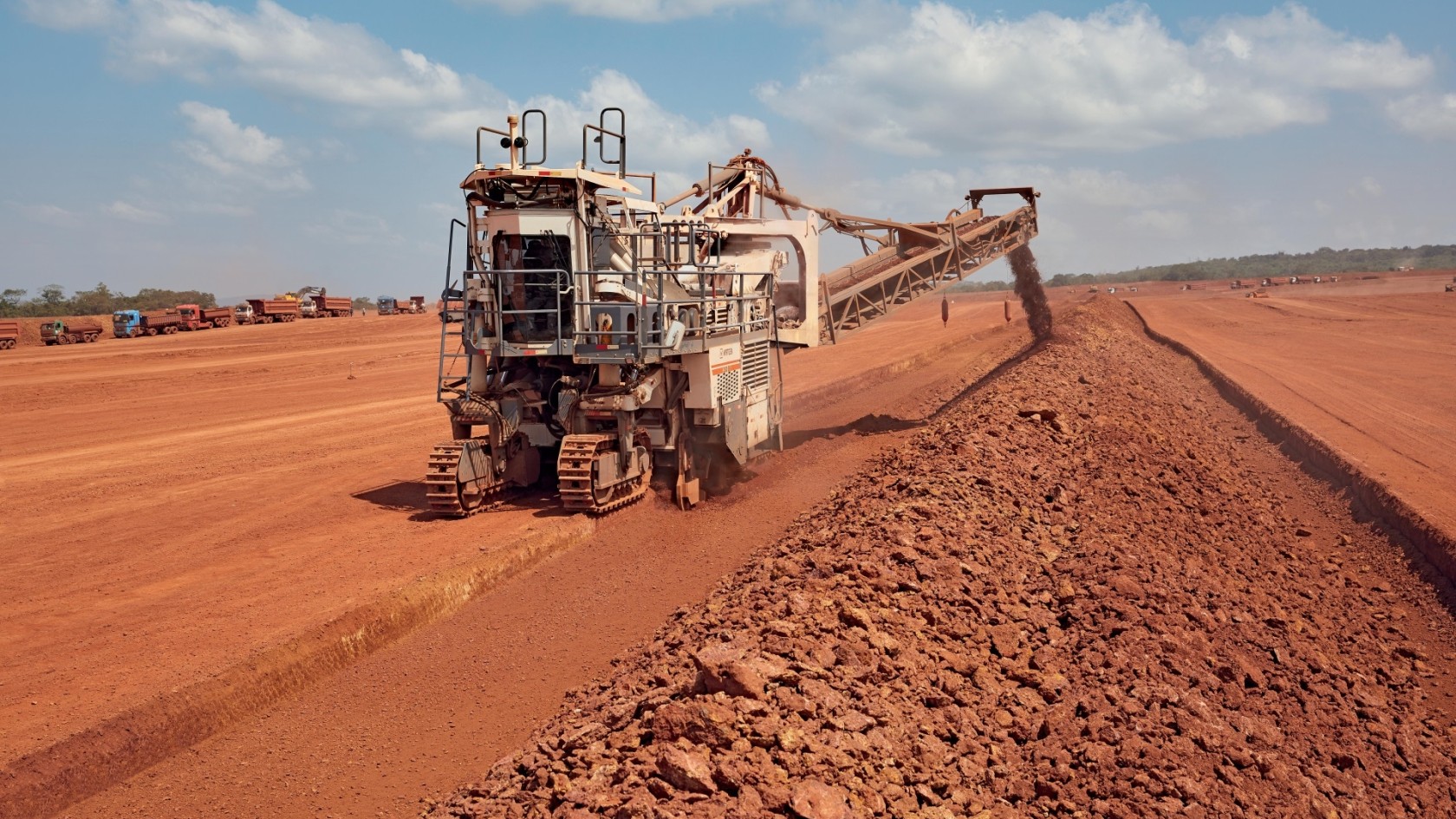
The practical logic behind the ban is straightforward: retained processing creates jobs, stimulates local supply chains and increases government revenues through taxes and royalties on higher-value products. The Kasiya rutile deposit and Kangankunde rare-earths concession are cited as immediate candidates for value-add activities, including mineral separation, refining and intermediate manufacturing that could feed local industry or regional markets. Government supporters argue that such steps would stimulate demand for local goods and services—everything from food and housing to transport and maintenance—creating ripple effects across rural economies.
At the same time, the policy raises immediate questions for communities, regulators and investors. Expansion of processing facilities typically increases demand for water, energy and labour, and it can trigger land-use changes as site infrastructure, access roads and worker housing are developed. For farming communities close to proposed plants, this can translate into both opportunity and pressure: new local markets for produce and services may emerge, while competition for scarce resources such as seasonal labour and shared water points may intensify. Clear, well-enforced environmental and social safeguards will therefore be crucial to ensure that local benefits are not offset by negative impacts on livelihoods or ecosystems.
The administration’s enforcement rhetoric also has social and governance implications. Strong action against illegal mining can reduce theft, environmental degradation and unsafe working conditions, but abrupt or uneven enforcement risks disrupting income sources for households dependent on artisanal and small-scale mining. The success of the ban will hinge on an orderly transition: transparent land and compensation processes, community consultation, and credible pathways for affected workers to access training and employment in the formal processing sector.
From an investor perspective, the policy opens doors for capital that targets downstream assets—refineries, intermediate processing plants and associated logistics and utilities. Realising those opportunities will require clear regulatory frameworks, predictable licensing, and practical mechanisms for local procurement and workforce development. Contractual commitments that include local sourcing quotas, skills-transfer provisions and community development obligations will help align investor return expectations with national development goals.
Implementation design will matter. Well-crafted community benefit agreements and negotiated land-use arrangements can protect local rights while enabling projects to proceed. Independent environmental and agronomic testing should be mandated before any reuse of industrial by-products in agriculture, and third-party monitoring will be essential to maintain trust. Routine documentation of customary land use, grazing corridors and water access points will strengthen communities’ negotiating positions and speed dispute resolution when development pressures increase.
If properly managed, Malawi’s export ban could anchor a shift towards domestic value addition that supports employment and broader rural economic growth. If mismanaged, however, it risks creating resource conflicts, uneven enforcement impacts and missed opportunities for inclusive development. The policy’s promise—capturing hundreds of millions in added value—depends on translating high-level intent into operational realities: transparent permitting, robust safeguards, enforceable procurement and meaningful investment in local skills and services.
For communities and local producers, the immediate priorities are practical and legal: closely monitor district and ministry communications, document land and water rights, and engage proactively with project proponents. For government and investors, the imperative is to pair industrial ambitions with credible protections and measured implementation that preserve local livelihoods while unlocking the downstream benefits the policy seeks to deliver. The outcome will determine whether Malawi’s raw-mineral export ban becomes a model for onshore beneficiation in the region, or a cautionary example of well-intentioned policy that falters at execution.
Share this content: