Ethiopia Deepens Partnership with Russia Through WTO Bid and Nuclear Roadmap
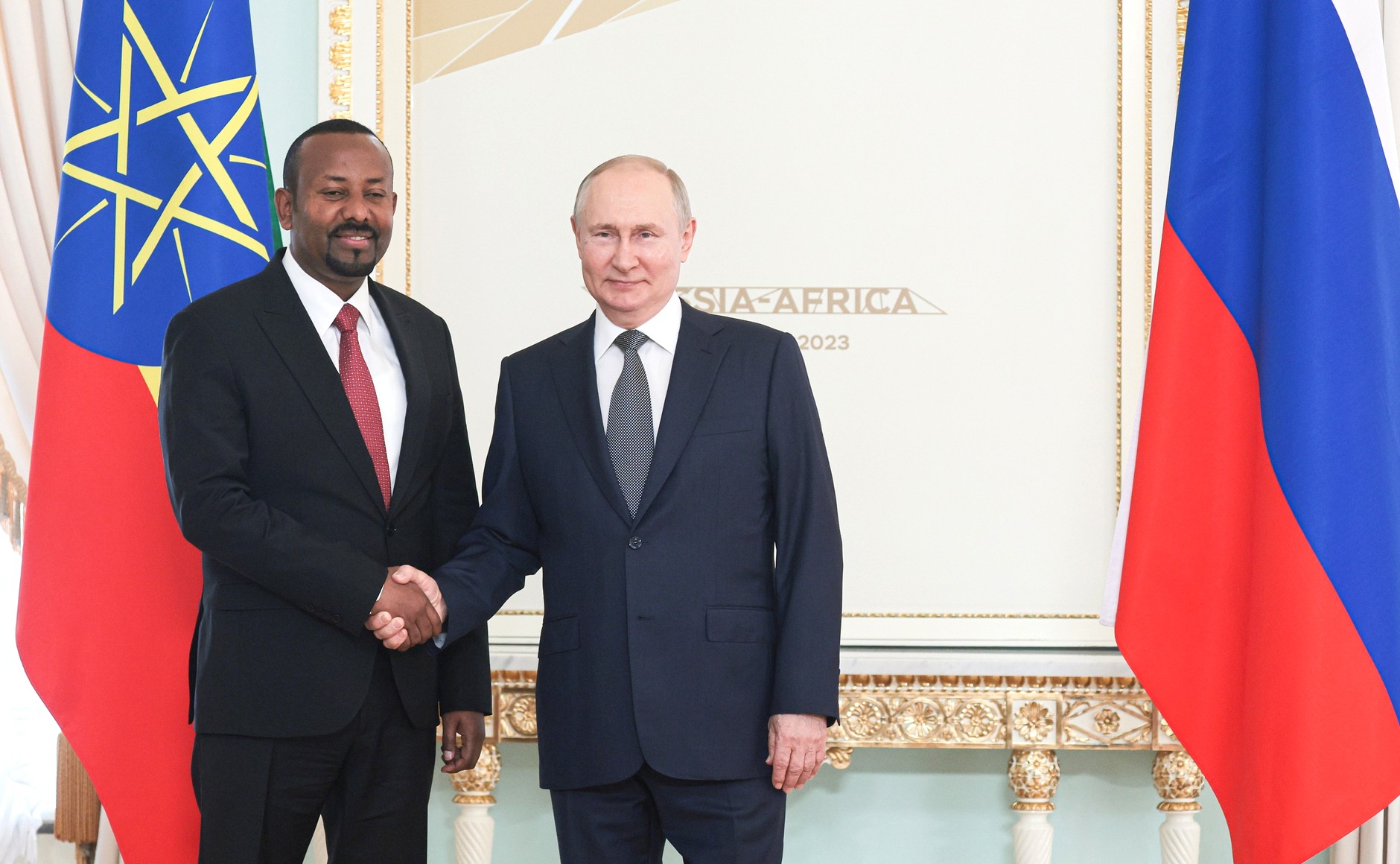
Ethiopia has strengthened ties with Russia by securing Moscow’s diplomatic backing for its World Trade Organization accession and agreeing a technical roadmap with Russia’s state nuclear company to explore a possible nuclear power project, following talks held in Moscow in September 2025.
Agreements Reached
• Rosatom and Ethiopia’s electricity agency signed a staged action plan to deliver a feasibility study, build regulatory capacity, and begin workforce training for a potential nuclear programme.

• Russian ministers publicly signalled diplomatic support for Ethiopia’s WTO accession process.
Strategic Motives
Ethiopia is pursuing trade liberalisation and new baseload power options at the same time to secure technology, diversify financing sources, and expand industrial capacity. The dual approach aims to open markets while improving energy access and underpinning industrialisation efforts.
Energy Context and Needs
• National electrification stood at roughly 55 percent in 2023, with urban areas far better served than rural ones.
• The Grand Ethiopian Renaissance Dam adds several gigawatts of hydropower capacity, but nuclear power would require different investments in grid modernisation, long-term operation, and sustained financing.
• Nuclear and large hydropower both supply baseload power but entail distinct fiscal, environmental, and institutional demands.
Financing, Risks, and Institutional Requirements
• Russian financing models often combine state credit lines with long-term construction contracts, delivering projects on schedule while creating potential debt-service obligations.
• WTO accession support could broaden trade opportunities and access to capital, while also introducing commitments that constrain industrial policy tools.
• Nuclear projects require robust independent regulators, emergency planning, waste management strategies, transparent procurement, and a trained pipeline of engineers and technicians. Training and technology transfer must be paired with independent oversight to ensure safety and sustainability.
Development Opportunities and Geopolitical Implications
• If managed well, reliable baseload power can stabilise grids, enable industrial parks, accelerate electrification of transport, and support local manufacturing that conserves foreign exchange.
• Across Africa, nuclear projects are increasing in visibility, with large builds such as Egypt’s El Dabaa illustrating the long timelines, financing structures, and oversight needs involved.
• Russia’s expanded role in African energy reflects wider diversification of external partners, making contractual clarity, environmental safeguards, and regional cooperation essential for positive outcomes.
Bottom Line
Ethiopia’s simultaneous push for WTO membership and a nuclear roadmap is consequential for its energy future and industrial strategy. Proper governance, strong institutions, and prudent financing will determine whether these moves widen development options or amplify fiscal and environmental risks.
Share this content: