China’s Toxic Mining Disaster in Zambia Sparks Outcry Over Compensation and Silence
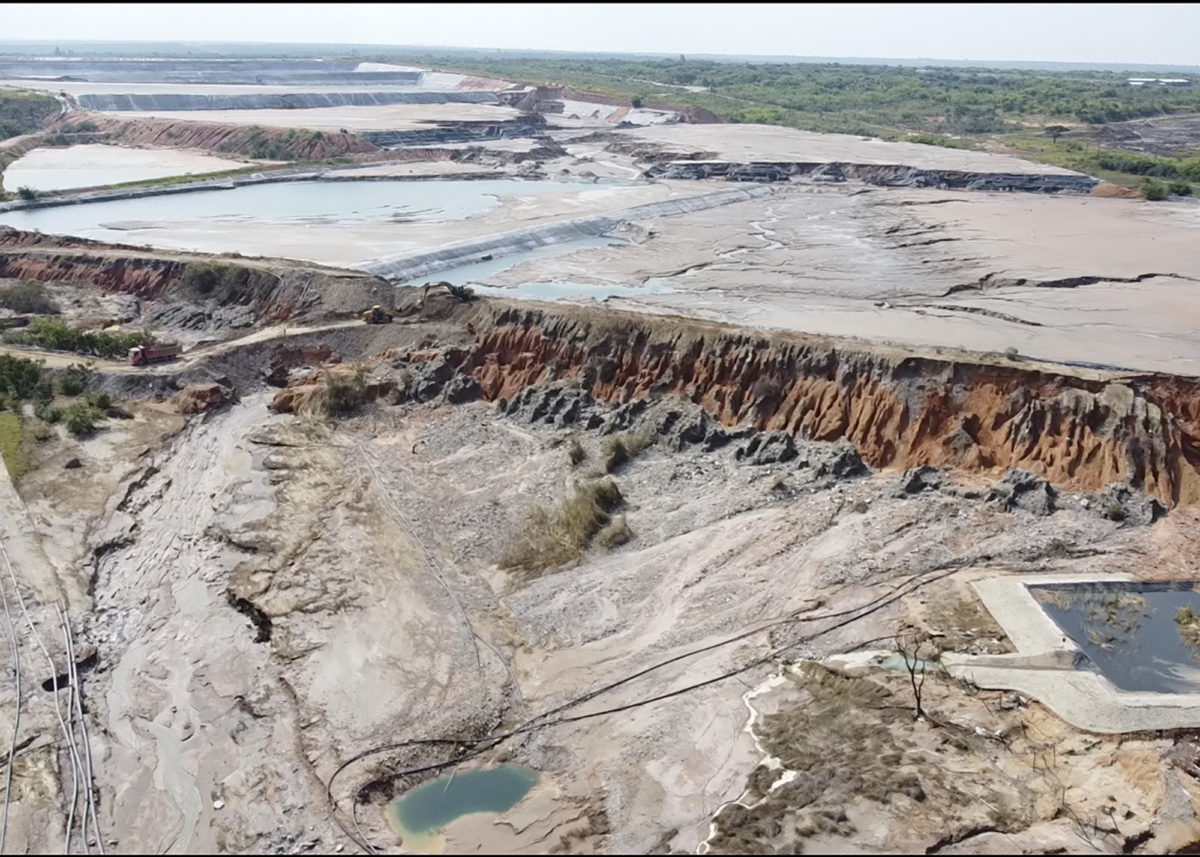
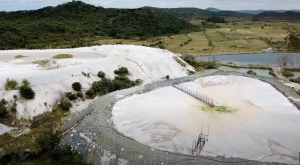
In the quiet village of Kalusale, Zambia, tragedy struck when a tailings dam at the Chinese-owned Sino-Metals Leach copper mine collapsed, unleashing a torrent of toxic waste that devastated homes, farmland, and livelihoods. The incident, which occurred earlier this year, is now considered one of the worst environmental disasters in Zambia’s history, with over 1.5 million tons of poisonous sludge—laden with cyanide and arsenic—flooding the valley.
Bathsheba Musole, a 48-year-old mother of eight, was among the first to witness the catastrophe. Her cornfield, the primary source of food for her family, was submerged in chest-high yellow liquid. “I thought I would drown,” she recalled, describing the deafening crash that preceded the flood. The Zambian government has since declared the affected fields too toxic to sustain crops for at least three years, leaving families like Musole’s in a precarious state of food insecurity and economic hardship.
In the aftermath, representatives from the mining company arrived with offers of compensation. Musole was offered $150—but only if she agreed to sign a nondisclosure agreement. This tactic, reportedly used across the region, has drawn criticism from environmental advocates and legal experts who argue that it silences victims and obscures accountability. Timmy Kabindela, another resident, saw his family’s fish ponds polluted by the spill. While a new pond is under construction, the damage to their aquaculture business is already done.

Efforts to neutralize the contamination have included dumping lime into the valley, but traces of toxicity remain. Meanwhile, Sino-Metals is rebuilding an earthen wall in preparation for resuming operations, raising concerns about the adequacy of safety measures and the prioritization of profit over people.
Independent evaluations suggest the spill was 30 times worse than initially reported, with enough toxic waste to fill over 400 Olympic-sized swimming pools. The disaster has not only exposed the environmental risks of foreign mining operations but also highlighted the vulnerability of rural African communities caught in the crossfire of global resource extraction.
Legal and environmental experts, including Chinese activist Jingjing Zhang, have condemned the incident as emblematic of a broader pattern in China’s overseas development model: pollute now, profit fast, and attempt cleanup later. Zambian lawyer Andrew Kombe, representing affected villagers, emphasized the imbalance of power and the lack of transparency in corporate responses.
As Sino-Metals prepares to restart mining, the people of Kalusale remain in limbo—facing contaminated land, inadequate compensation, and pressure to stay silent. Their story is a stark reminder of the human cost behind the global demand for copper and the urgent need for stronger environmental governance and corporate accountability across Africa.
Share this content: