Rio Tinto Targets $10B Asset Selloff as Trott Resets Strategy
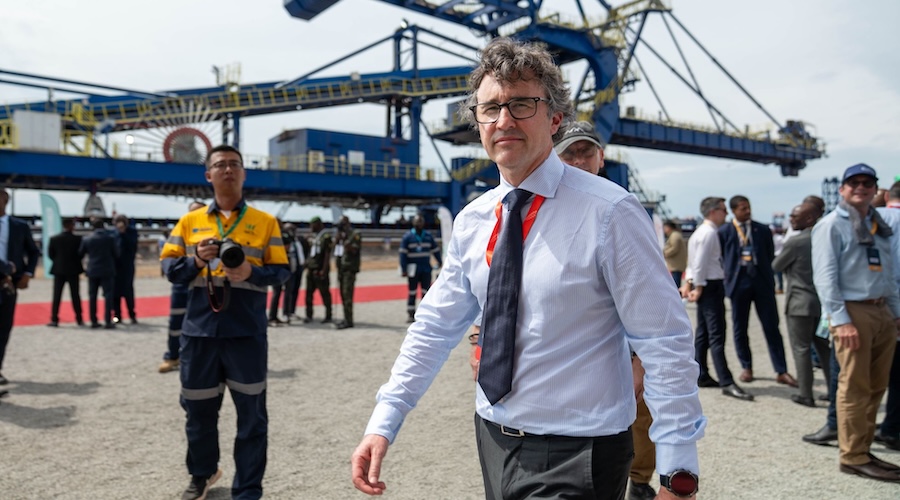
Simon Trott at Simandou’s opening. (Image courtesy of Simon Trott’s LinkedIn..)
Rio Tinto chief executive Simon Trott has unveiled a sweeping plan to generate between $5 billion and $10 billion through divestments and productivity gains, as the world’s second-largest miner seeks to streamline operations and sharpen its focus on core commodities.
Speaking at his first major strategy briefing since taking the helm five months ago, Trott said the overhaul will leave Rio “stronger, sharper and simpler,” with the portfolio narrowed to iron ore, copper, aluminum and lithium. The company’s shares responded positively, rising almost 4 percent to a record $140.58 on Thursday, extending a 17 percent gain over the past year, though still trailing rival BHP on a price-to-earnings basis.

The reset strategy involves selling non-core units such as titanium dioxide and borates, while reviewing ownership and partnership structures across land, infrastructure, mining and processing assets. Leadership ranks have already been trimmed, and spending has been paused on projects including BioIron and the Jadar lithium project in Serbia. These moves are expected to deliver about $650 million in annualised productivity gains. Trott also confirmed that Rio has secured a waiver on its December 2025 debt covenant, ensuring access to an undrawn €935 million credit facility.
Capital expenditure is projected to fall below $10 billion annually from 2028 as large projects wind down, while decarbonisation spending has been cut sharply to between $1 billion and $2 billion through 2030, down from an earlier target of $5–6 billion. Investment in new lithium projects will proceed only when market conditions and returns justify it.
The company reaffirmed its 2025 volume targets but cautioned that markets remain pressured by slowing Chinese industrial demand and global economic uncertainty. Rio expects conditions to begin stabilising in 2026 as supply and demand gradually rebalance. Analysts at BMO Capital Markets described the update as broadly in line with expectations, noting positives in divestment targets and capex discipline but flagging slower-than-expected volumes from the new Simandou iron ore mine in Guinea.
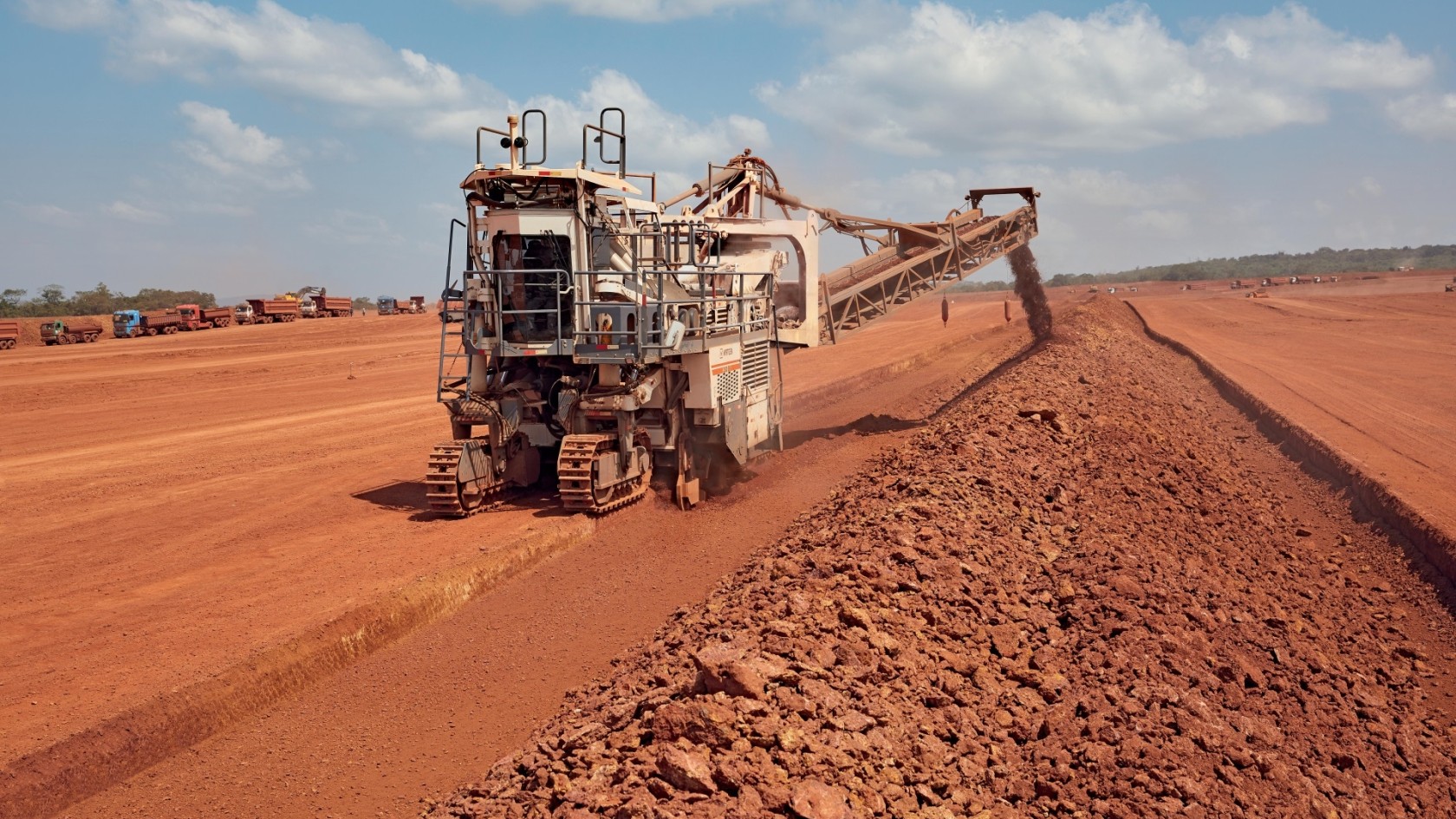
Simandou shipped its first ore this week, with 2026 output expected at between 5 and 10 million tonnes, well below BMO’s estimate of 19 million tonnes. Meanwhile, Rio raised its 2025 copper production forecast on the back of stronger activity at Mongolia’s Oyu Tolgoi mine. Copper output is now projected at 860,000 to 875,000 tonnes, up from earlier estimates, with production in 2026 expected to range between 800,000 and 870,000 tonnes. Copper production is central to Rio’s long-term strategy, with a target of 1 million tonnes annually by 2030, positioning the company to benefit from record copper prices driven by global energy transition demand.
Australian Pilbara iron ore production is expected to remain steady, with 2026 volumes forecast between 323 million and 338 million tonnes. Bauxite output is also set to beat expectations, though Canadian iron ore volumes will fall short. Trott emphasised that Rio’s focus on copper and lithium will complement its iron ore base, while divestments and cost cuts are designed to boost cash flow and close the valuation gap with peers.
The restructuring comes as global miners tighten capital discipline amid volatile commodity prices. Glencore announced 1,000 job cuts this week, Vale downgraded its iron ore guidance, and Anglo American and Teck Resources are advancing a proposed $53 billion merger. Rio itself held preliminary talks with Glencore earlier this year, though Trott dismissed further large-scale consolidation unless it delivered clear synergies and value.
Rio’s shares have climbed 36 percent since June, lifted by rising copper prices, resilient iron ore markets and investor expectations that Trott’s reset will deliver stronger returns. Benchmark 62 percent iron ore was trading at $108 a tonne on December 3, up from less than $93 in mid-June, underscoring the supportive backdrop for Rio’s restructuring push.
Share this content: