Mali’s Gold Output Slumps: Production Down Nearly 23% Amid Regulatory Challenges
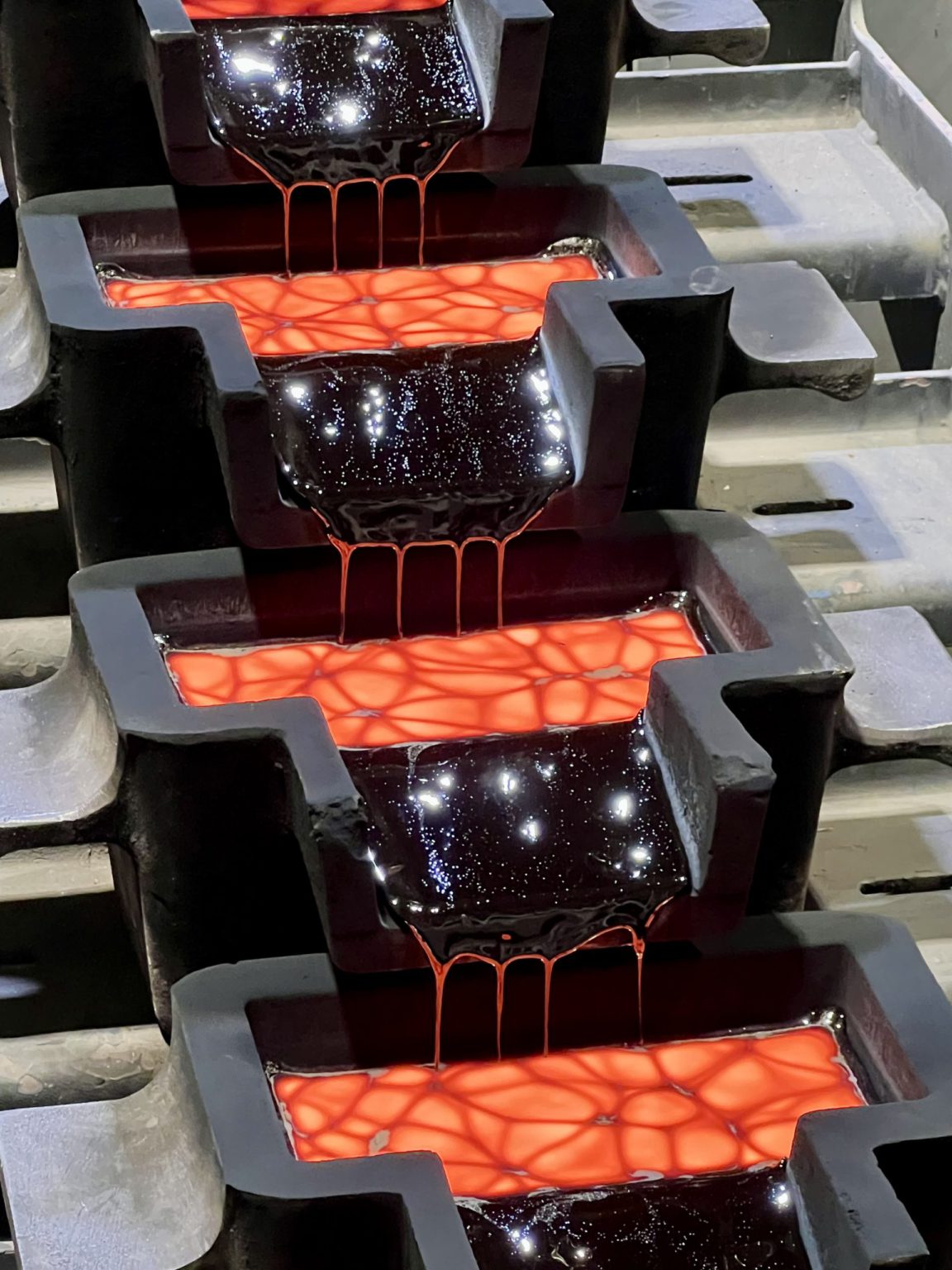
Mali’s gold industry contracts sharply — output down 22.9% in 2025 amid regulatory disputes and production disruptions.
Mali experienced a dramatic downturn in industrial gold production in 2025, with output falling nearly 23% compared to the previous year. Provisional government figures reveal industrial gold production dropped from approximately 54.8 tons in 2024 to just 42.2 tons in 2025. This steep contraction underscores the ongoing challenges facing one of West Africa’s most resource-intensive economies.
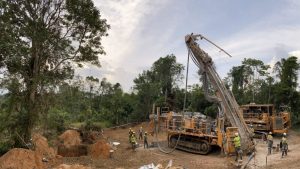
A key factor behind the decline was the extended halt of operations at the Loulo-Gounkoto complex, historically one of Africa’s largest and most productive gold mining operations. Operational suspensions, contractual negotiations, and stricter mining regulations introduced by the government have created an uncertain investment climate that has delayed production progress.

Despite reopening under state supervision in mid-2025, Loulo-Gounkoto managed just 5.5 tons of gold — a fraction of its previous contribution of 22.5 tons. This outcome reflects not only production disruption, but also the broader impact of regulatory reforms designed to increase state revenue and oversight within the mining sector.
The vacuum created by Mali’s gold downturn has allowed smaller producers such as B2Gold and Allied Gold to rise in prominence, with B2Gold leading 2025 production at 17.5 tons. Artisanal mining also remained steady but offered limited offset to the broader industrial decline.
Looking ahead, Mali’s mining industry faces a critical juncture: balancing national resource sovereignty with investment attractiveness in an era of global competition for capital and mineral wealth.
Share this content: