Zimbabwe to Introduce Lithium Export Quotas as It Pushes for Local Processing
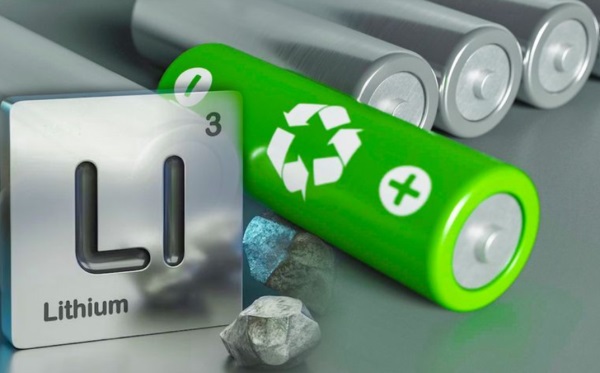
Zimbabwe is set to introduce lithium export quotas and stricter regulatory conditions as it prepares to resume shipments of the critical battery mineral, following a temporary suspension earlier this year.
The move is part of the government’s broader strategy to increase local mineral beneficiation and reduce the export of raw materials.
New Conditions for Export Resumption

According to the Ministry of Mines, producers will be allocated specific export quotas, with approvals granted on a case-by-case basis. Mining companies will also be required to meet stricter compliance standards, including the publication of annual financial statements and adherence to labour, safety, and environmental regulations.
In addition, firms must provide firm commitments and timelines to establish lithium sulphate processing plants before January 2027.
Shift Toward Local Value Addition
Zimbabwe—Africa’s leading lithium producer—halted exports of lithium concentrates and other unprocessed minerals in February, citing concerns over malpractices and revenue leakages.
The government is now reinforcing its push for local processing, with a full ban on lithium concentrate exports scheduled to take effect in 2027.
To support this transition, a 10% export tax on lithium concentrates will remain in place until the ban is implemented.
China’s Dominance in Zimbabwe’s Lithium Sector
Chinese companies continue to play a major role in Zimbabwe’s lithium industry, including Zhejiang Huayou Cobalt, Sinomine, Chengxin Lithium Group, Yahua Group, and Tsingshan Holding Group.
These firms have been instrumental in expanding lithium production capacity, further strengthening China’s position in the global battery materials supply chain.
Rising Exports and Processing Investments
In 2025, Zimbabwe exported approximately 1.128 million metric tons of lithium-bearing spodumene concentrate to China, accounting for a significant share of its imports of the mineral.
To align with the government’s beneficiation strategy, companies are increasingly investing in local processing infrastructure. Huayou has already commissioned a $400 million plant to convert lithium concentrates into lithium sulphate—an intermediate product used in the production of battery-grade lithium chemicals.
Other operators, including Sinomine and Yahua, have also announced plans to develop similar processing facilities within Zimbabwe.
Positioning for the Energy Transition
Zimbabwe’s policy shift reflects a broader continental trend, as African nations seek to capture more value from their natural resources amid surging global demand for battery minerals.
Share this content: