France Eyes Botswana for Uranium Supply After Niger Setback
France is seeking new uranium supply opportunities in Botswana following the loss of its stake in a major mine in Niger, as Europe moves to secure critical nuclear fuel amid rising global demand.
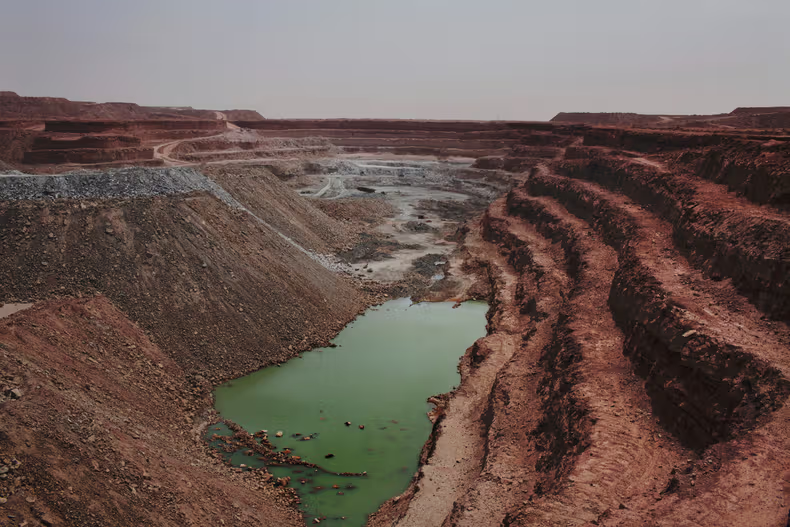
The shift comes after Niger’s military government nationalised the SOMAIR uranium mine, where French nuclear group Orano held a 63.4% stake. The move effectively cut off one of France’s key uranium supply sources, forcing a rapid reassessment of its African strategy.
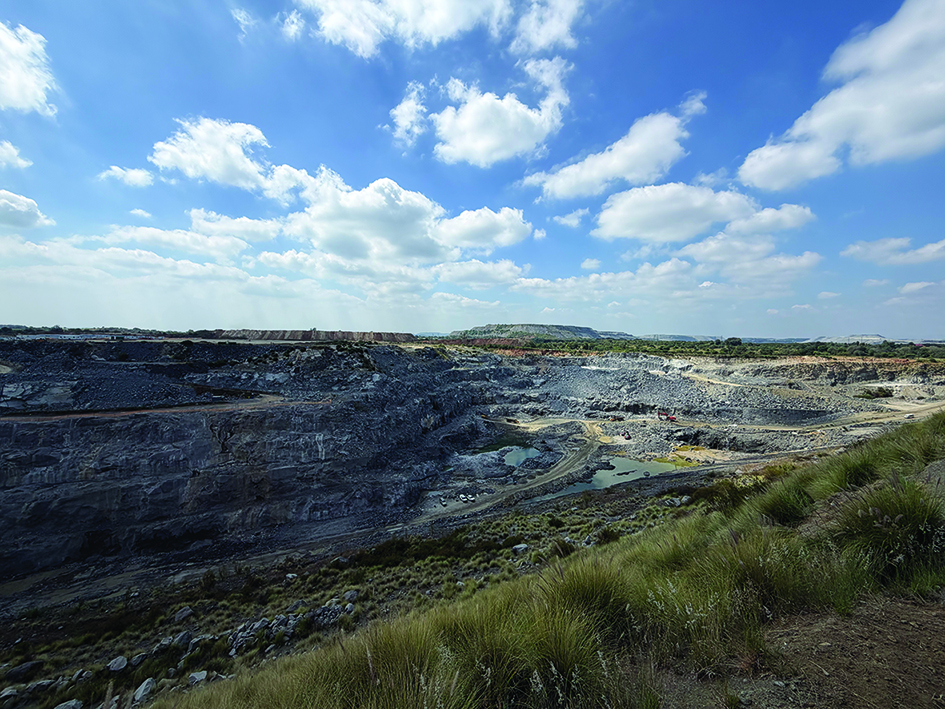
Botswana has since emerged as a potential alternative. While best known for its diamond industry, the country is believed to hold uranium resources of around 800,000 tonnes, including the large Letlhakane deposit. Recent engagements between Orano executives and Botswana’s leadership, including President Duma Boko, signal growing interest in developing these resources.

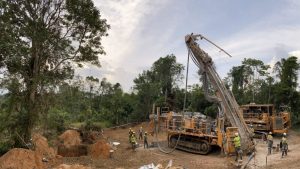
The company has already secured exploration licences covering roughly 15,000 square kilometres in the Ghanzi district, pointing to a longer-term commitment to building a new supply base. For Botswana, the interest comes at a time when the government is actively looking to diversify its mining sector and attract investment beyond diamonds.
France’s pivot reflects a broader shift in the global energy landscape. As nuclear power regains momentum, competition for uranium is intensifying, pushing countries to secure stable and diversified supply chains. President Emmanuel Macron has recently emphasised the need to strengthen uranium partnerships, including increased sourcing from major producers such as Kazakhstan.
At the same time, Orano is expanding its presence in the United States, supported by a multibillion-dollar programme aimed at boosting uranium enrichment capacity—further increasing the need for reliable feedstock.
The loss of Niger’s uranium assets marks a turning point for France’s supply strategy. As Botswana positions itself as an emerging player in the sector, new partnerships could play a key role in reshaping uranium supply dynamics both in Africa and globally.
Share this content: