Afreximbank Launches Dedicated Financing to End Raw Mineral Exports

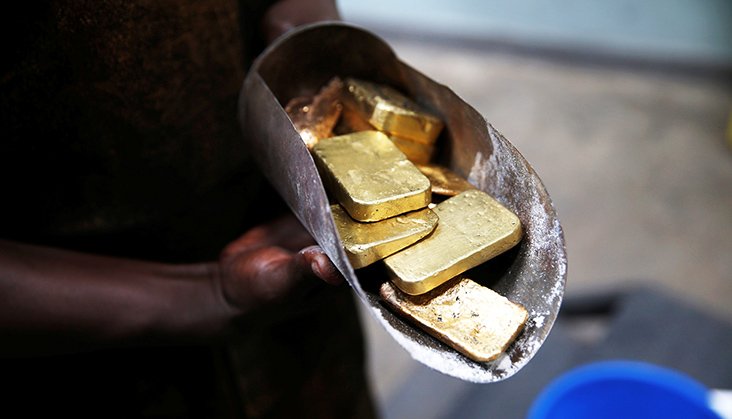
The African Export-Import Bank is moving to shift the continent away from exporting unprocessed minerals by creating a new financing window focused on mineral processing, announced by incoming president George Elombi during his Cairo swearing-in. The initiative prioritizes turning raw ores into semi-finished and finished products on the continent to capture greater economic value and spur industrial development.
What the new finance window will do
• Targeted support for projects that refine and manufacture from Africa’s mineral resources, including midstream and downstream processing plants.

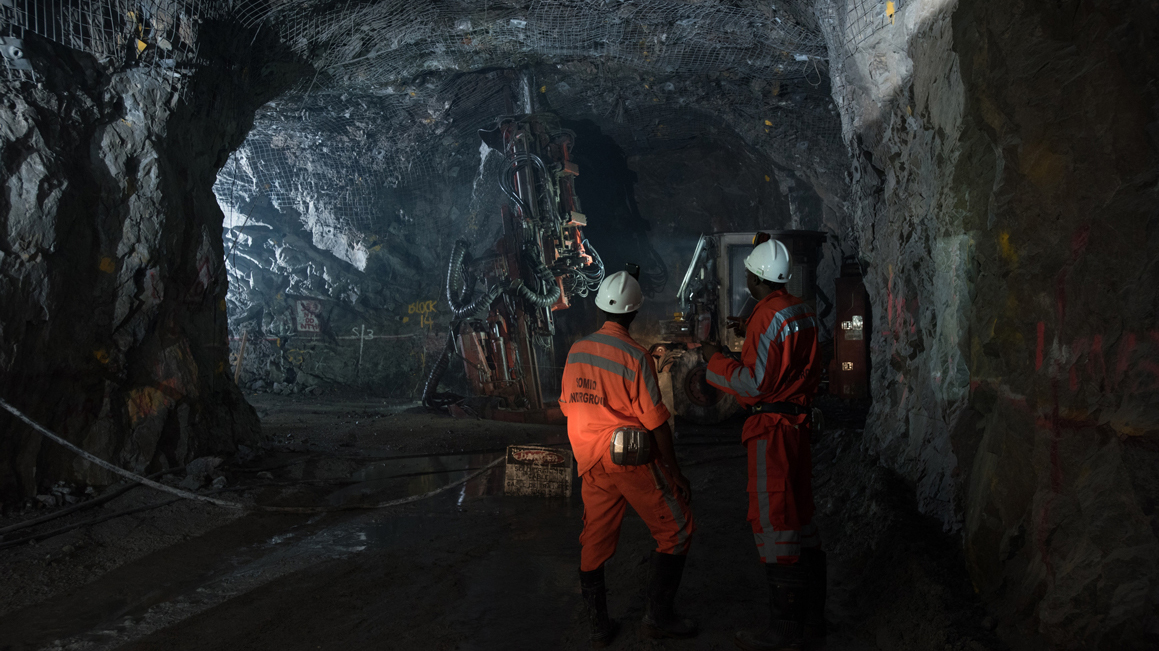
• Full value-chain financing through a planned Strategic Minerals Development Programme covering extraction, refining, and manufacturing stages.
• Cross-border project emphasis to link mining regions with regional industrial hubs and stimulate integrated, regional value chains.
Infrastructure and trade-enabling investments
Afreximbank will direct funds toward critical transport and logistics infrastructure that connects production centers to markets. Priority areas include seaports, highways, railways, pipelines, and logistics hubs that reduce trade frictions and lower the cost of moving processed goods regionally and internationally.
Economic rationale and continental context
Elombi framed the move as a corrective to decades of value leakage caused by exporting raw minerals. Turning resources such as cobalt, lithium, copper, and bauxite into higher-value goods is presented as a route to more jobs, technology transfer, resilience to commodity shocks, and stronger intra-African trade under AfCFTA. The bank’s approach responds to long-standing calls from African policymakers and development leaders for local value addition rather than continued dependence on commodity exports.
Potential impact and challenges
• Potential gains: job creation, industrial diversification, technology transfer, stronger regional supply chains, and improved export revenues from higher-value products.
• Key constraints: success will require coordinated industrial and trade policies, public-private partnerships, stable political environments, and substantial investments in technology and skills.
Strategic significance
If effectively implemented, the mineral-processing finance window could accelerate a structural shift in Africa’s role within global value chains by fostering regional industrial ecosystems and strengthening intra-African trade, helping the continent capture a larger share of the value from its natural resources.
Share this content: