Africa’s Custodians Must Unite Against Illegal Mining
By H.E. Ambassador Godfrey Madanhire
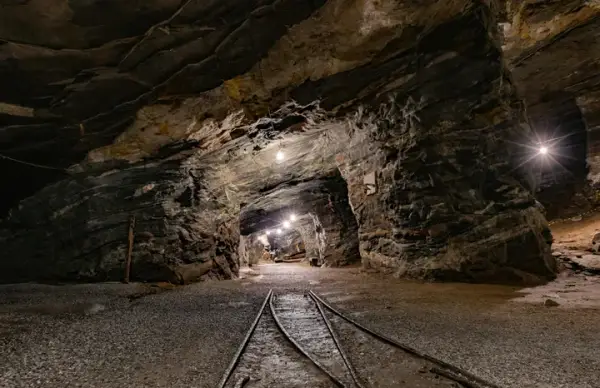
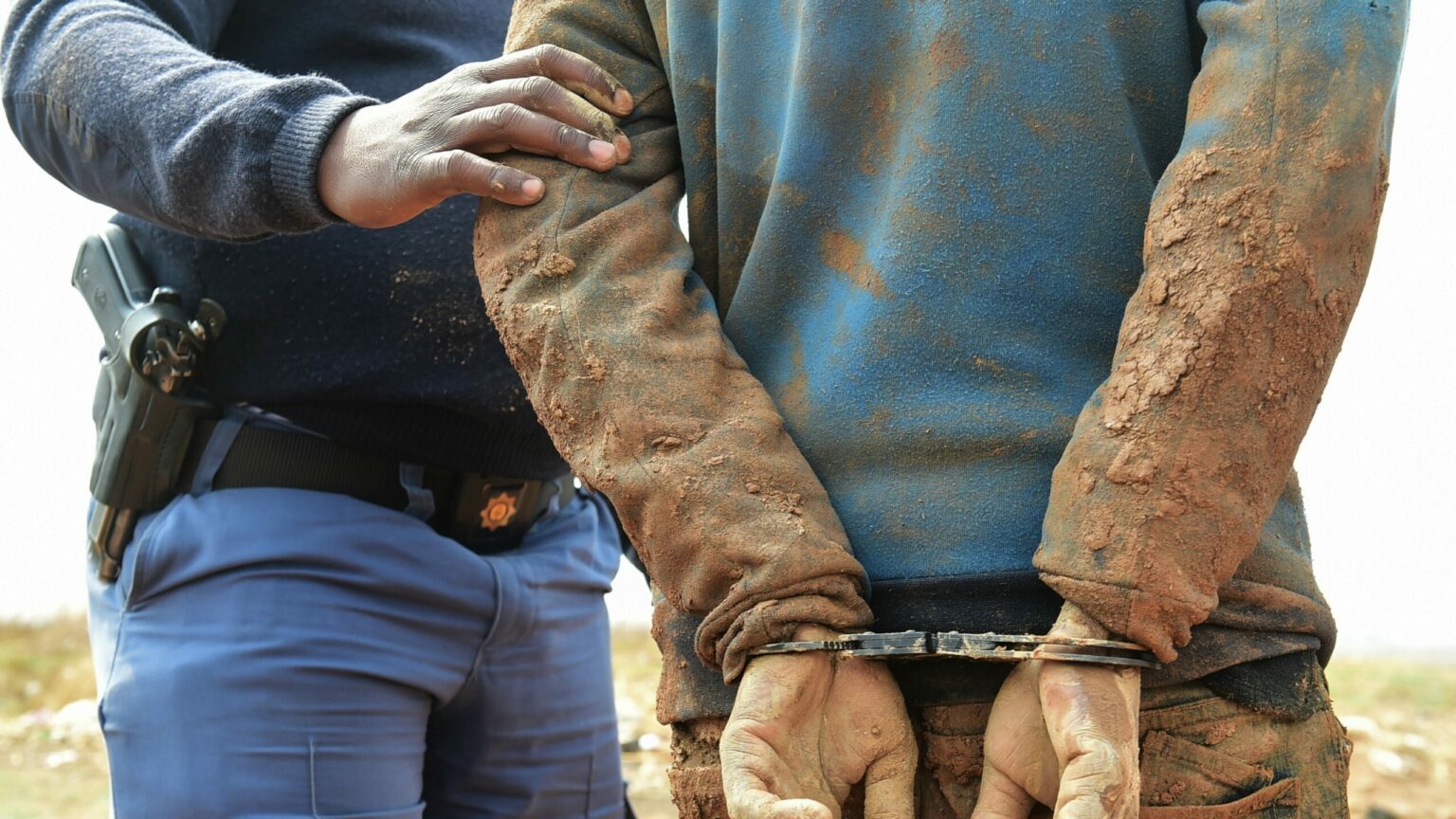
In December 2025, South Africans watched live broadcasts as police convoys rolled into Bapong, a village in the North West province. Beneath homes and footpaths, illegal miners—known locally as zama zamas—had burrowed relentlessly, cracking walls, tilting floors and leaving families living in fear that the ground could collapse beneath them at any moment. South African Police Service National Commissioner General Fannie Masemola vowed to confront the scourge. Yet Bapong’s ordeal is not an isolated incident; it is one chapter in a much larger African crisis.
Across the continent, illegal mining is ravaging communities and draining national wealth. In Ghana, galamsey operations involve as many as three million people and account for nearly 30 percent of national gold output, yet rivers once vital for farming and drinking water are now poisoned. Nigeria is estimated to lose US$9 billion annually to illegal mining and smuggling—resources that could otherwise fund schools, hospitals and infrastructure. In Zimbabwe, illicit extraction strips billions from the economy as communities in Mutoko watch granite hills disappear and lithium pits expand, with little benefit reaching ordinary citizens.

Morocco bears its own scars. In Jerada, men descend daily into abandoned coal shafts, risking death for fragments of survival. Along the country’s coastlines, beaches steadily shrink as nearly ten million cubic metres of sand are removed each year—half of it illegally—accelerating erosion and threatening tourism livelihoods. From Bapong to Jerada, these stories reveal a continent-wide pattern of exploitation and neglect.
At the heart of this crisis lies custodianship under siege. Traditional leaders are often accused of collusion, yet many operate within impossible constraints: global demand for minerals, entrenched poverty and political expediency. Their authority is not derived from statutes alone, but from ancestral memory—binding them to the land, rivers and burial grounds of their people. When that authority is undermined, communities lose not only protection, but identity itself. As Karl Marx observed, “the ownership of land is the foundation of all social relations.” In Africa, custodianship is therefore not symbolic; it is structural.
This crisis is not new. Frantz Fanon warned that colonialism was not merely political domination, but the violent seizure of land and resources—the very heartbeat of a people’s existence. Today’s illegal mining represents a continuation of that dispossession, reducing Africa’s land to raw material for external profit while hollowing out its social meaning.
The economic consequences are severe. Walter Rodney demonstrated how Africa was systematically underdeveloped through extraction, enriching outsiders while impoverishing local communities. His analysis resonates today in Nigeria’s lost billions and Zimbabwe’s vanishing landscapes, where illicit flows drain development potential and entrench poverty.
Solutions must therefore be rooted in Africa’s own governance systems. Advocate Zwelethu Madasa of South Africa argues that “traditional leadership needs to educate and communicate the fact that indigenous governance is an alternative system of inclusivity in decision-making.” Custodianship, in this sense, is not merely defensive—it offers a governance framework capable of guiding communities through modern crises with accountability and collective responsibility.
Ambassador Ireneo Omositson Namboka reinforces this vision, asserting that “royalty or hereditary leadership is a plausible resort the continent can turn to for regaining political sobriety, cultural self-respect and economic development.” Traditional leadership, he reminds us, is not ceremonial nostalgia but a viable path toward stability and dignity.
It is in this spirit that the African Indigenous Governance Council (AIGC), under the leadership of His Majesty Dr Robinson Tanyi, has advanced the vision of a continental body of traditional leaders. Such a body would equip custodians with legal, environmental and technical expertise; empower them to scrutinise mining contracts before extraction begins; and monitor cross-border mining activities to expose illegal operations before communities are destroyed. Through peer review and ethical oversight, it would restore trust between leaders and the people they serve, while ensuring ancestral custodianship is not silenced by corporate or criminal interests.
The strength of this vision lies in its Pan-African solidarity. Imagine a chief in Mutoko no longer standing alone, but supported by a continental council capable of challenging exploitative agreements. Imagine custodians in Ghana, Nigeria and Morocco acting in unison to defend rivers, forests and ancestral graves. Imagine families in Bapong knowing their leaders are part of a united African movement that places dignity above profit. In such unity, each local struggle becomes part of a continental resistance.
Illegal mining is tearing at Africa’s social, environmental and economic fabric. The cracked homes of Bapong, the perilous tunnels of Jerada, the poisoned rivers of Ghana, the eroded beaches of Morocco and the scarred hills of Zimbabwe all testify to a single truth: custodianship can no longer remain fragmented and vulnerable. It must become continental, coordinated and unshakable.
Africa’s destiny rests on the strength of its custodians. If traditional leaders unite across borders, they can reclaim authority over land, restore cultural self-respect and secure sustainable development for generations to come. The creation of a united body of traditional leaders, as envisioned by the African Indigenous Governance Council, is not merely an idea—it is a pathway to sovereignty, dignity and renewal.
Africa’s story will not be written by illegal syndicates or extractive opportunists. It will be written by custodians who rise to defend the land, and by a continent determined to protect its people, its heritage and its future.
H.E. Ambassador Godfrey Madanhire is Diplomatic Envoy of the State of the African Diaspora, Chief Operations Officer of Radio54 African Panorama, Director of Communication and Partnerships at the African Indigenous Governance Council, Pan-Africanist, and Advocate for Sovereign African Governance.
Share this content: