Mali Forces Barrick to Comply as Gold Mine Operations Resume

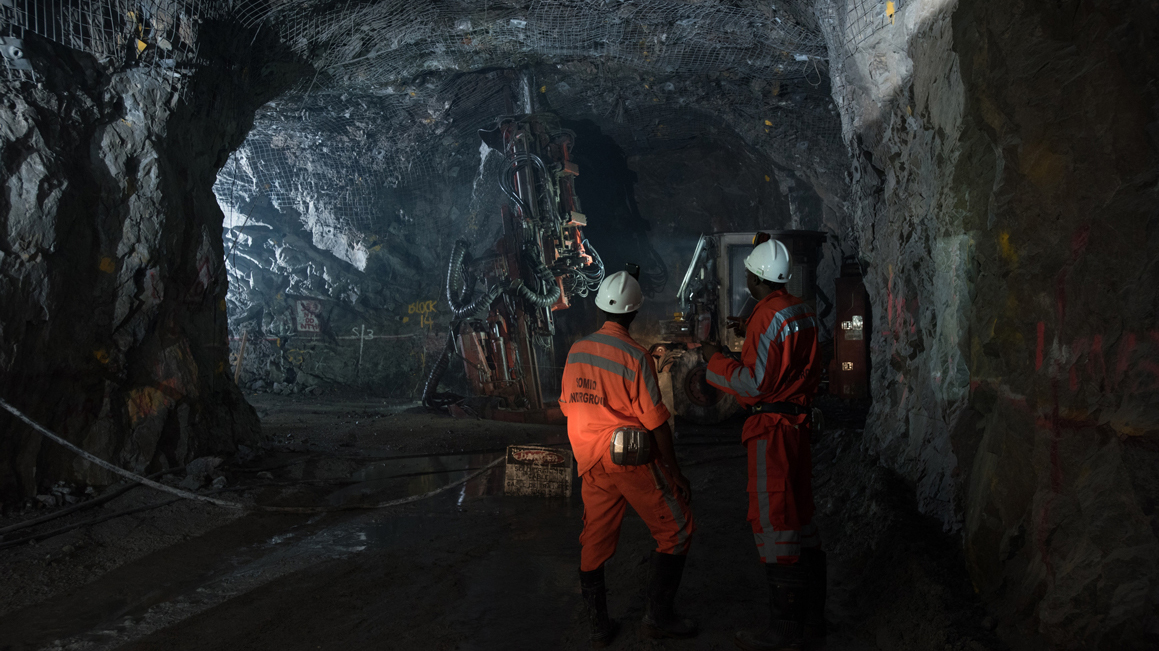
Canada’s Barrick Mining has formally resumed operational control of its gold mine in Mali, ending a two-year standoff that underscored a shifting reality in Africa’s extractive sector: multinational leverage weakens rapidly once African states stop negotiating on inherited terms.
According to an internal company memo seen by Reuters, operations are restarting after Barrick reached a settlement with Mali’s authorities following prolonged negotiations triggered by the country’s revised mining code. The dispute began in January when Barrick suspended operations, objecting to regulatory changes designed to increase state control and national benefit from mineral extraction.
In June, a Malian court appointed a provisional administrator to take control of the mine—a move Barrick contested while threatening legal action. That strategy ultimately faltered. Under Mali’s new legal framework, appeals to external arbitration offered little traction against a sovereign state determined to assert authority over its resources.

The standoff was resolved last month after Barrick reportedly agreed to a US$430 million settlement. Shortly thereafter, a Malian judge ordered the return of three metric tons of gold seized nearly a year earlier. The bullion, transported by military helicopter and held at a Bamako bank, was valued at approximately US$400 million—clear evidence that Mali was never short of leverage, only patience.
Barrick’s internal memo confirms that production will resume gradually, beginning with mandatory training for employees and contractors. The tone was notably restrained. There were no celebratory announcements, no declarations of renewed partnership—only compliance, documentation, and a quiet return to operations.
For years, Barrick operated under a mining regime shaped during a period when African resource policy prioritised foreign investor comfort over national leverage. That era is drawing to a close. Mali’s military-led government has moved decisively to recalibrate mining terms, strengthen state oversight, and increase public benefit from gold production—measures widely supported by citizens who argue that past arrangements favoured external interests.
While Barrick’s shareholders welcomed the restart, with the company’s stock edging higher in Toronto, the significance on the ground in Mali is different. The episode signals a broader continental shift: African governments are no longer negotiating from desperation. The rules are changing, and multinational firms are adjusting accordingly.
This dispute was never about instability. It was about sovereignty. Legacy coverage may frame the outcome as a compromise, but the facts are straightforward: Mali held its position, Barrick paid, and operations resumed on African terms.
That is not hostility toward investment. It is governance catching up with history. As African states continue to refine how they manage natural resources, the continent’s extractive sector remains in transition—still evolving, still contested, and increasingly shaped by African legal authority rather than inherited imbalance.
Africa’s resource story is far from finished. But episodes like this make one thing clear: the era of unquestioned extraction is over, and a more assertive, self-defined future is taking shape—on Africa’s own timeline.
Share this content: