Africa’s Top Gold Producer Cancels Long-Term Mining Deals, Hikes Royalties as Gold Prices Surge
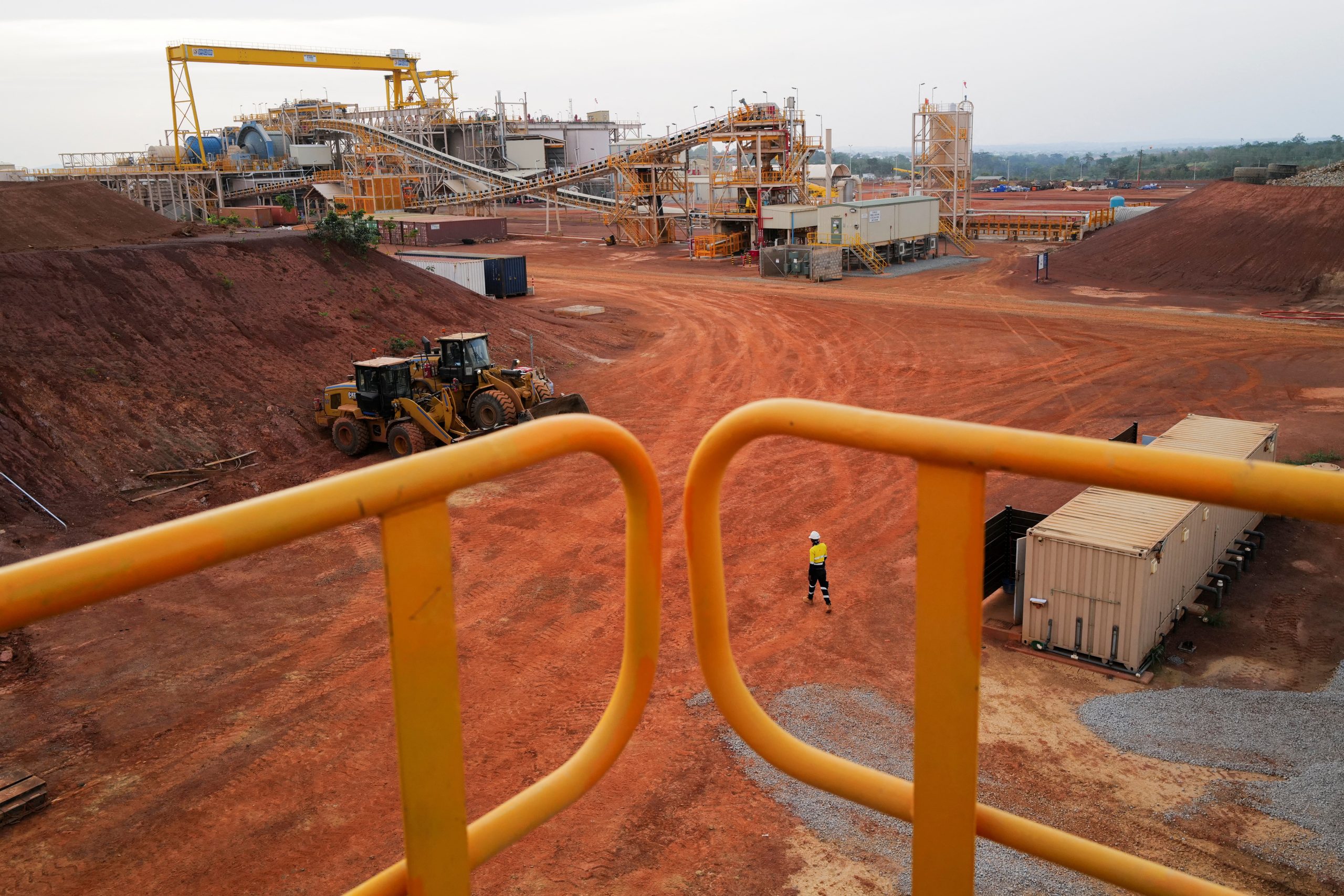
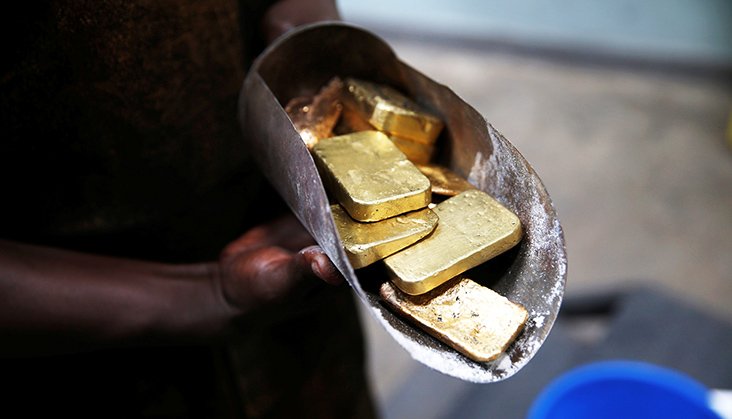
The government has cancelled several long-term mining stability agreements and increased royalties on gold production, signalling a strategy aimed at capturing a larger share of windfall revenues as bullion prices trade near record highs of about $4,590 per ounce. The reforms mark a significant shift in how the West African nation manages its mineral wealth, as it seeks to balance investor confidence with stronger fiscal returns and enhanced local-content requirements.
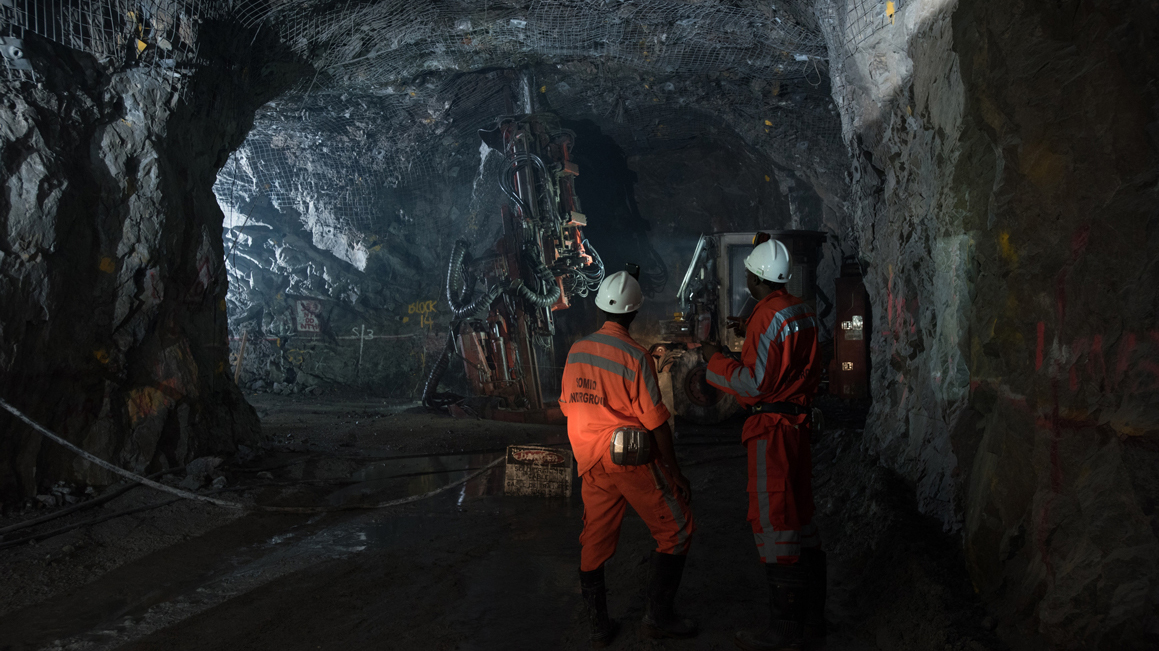
Traditionally, Ghana’s stability and development agreements locked in tax and royalty terms for periods of five to 15 years, in exchange for large capital investments—typically ranging between $300 million and $500 million—for new mine developments or expansions. Mining companies were also required to extend mine life and increase output as conditions for renewal.
Major global miners including Newmont, AngloGold Ashanti, and Gold Fields currently operate under such agreements. However, under proposed reforms expected to be enshrined in law through a draft bill due to reach Parliament by March, Newmont’s stability agreement—which expired in December—will not be renewed. Similar agreements held by AngloGold Ashanti and Gold Fields are expected to be phased out when they lapse in 2027.

The draft legislation introduces a new royalty regime linked to gold prices, starting at 9% and rising to 12% when prices exceed $4,500 per ounce. This represents a sharp increase from the current royalty band of 3% to 5%. The reforms also include tighter local-content rules, requiring higher levels of in-country procurement and stronger support for Ghanaian suppliers and service providers.
Ghana’s move reflects a broader continental trend. Across Africa, governments are revisiting mining contracts that once prioritised long-term fiscal stability for investors, instead seeking greater control over strategic mineral resources and a larger share of the economic benefits. In the Alliance of Sahel States and other resource-rich regions, debates around nationalisation and increased state participation have gained momentum as countries aim to ensure mineral wealth translates into domestic economic development rather than primarily benefiting foreign operators.
Acting Minerals Commission Chief Executive Officer Isaac Tandoh said stability and development agreements had been misused in the past, with some companies extracting revenues while failing to meet basic local obligations, including contributions to district assemblies.
“Renewal of investment stability agreements is not automatic—it is conditional,” Tandoh said, dismissing concerns that tougher terms would deter investment. He noted that miners continue to operate profitably in other jurisdictions with more demanding fiscal and regulatory regimes.
While authorities have indicated sensitivity to the challenges faced by smaller and newer mining projects, the reforms underscore a decisive policy shift. Ghana is signalling that its gold boom must deliver broader economic returns at home—a stance that mirrors a growing African push to rebalance extractive-sector contracts in favour of resource-owning states.