Ghana’s Catholic Bishops Demand Urgent Action on Illegal Mining Crisis

Accra, Ghana — The Ghana Catholic Bishops’ Conference (GCBC) has issued a powerful call for national action against illegal mining, urging the government to declare a state of emergency in the country’s most affected mining zones. In a statement released on September 15, the Bishops described the widespread practice of unregulated mining—locally known as galamsey—as a “cancer” threatening the nation’s environment, public health, and moral fabric.
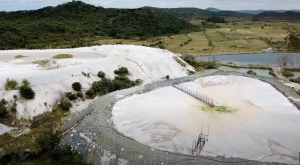
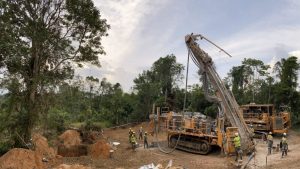
The Bishops warned that galamsey is ravaging Ghana’s rivers and forests, contaminating soil, and endangering communities. They stressed that the crisis has escalated beyond routine management and now demands “decisive, extraordinary response.” According to the GCBC, a state of emergency would enable curfews in volatile areas, secure devastated lands, dismantle criminal syndicates, and halt corrupt administrative practices.
Quoting scripture, the Bishops framed the destruction as not only a social and environmental tragedy but also a spiritual violation. “To desecrate creation through galamsey is not only an offence against neighbour; it is a grave sin against God Himself,” they declared. The consequences, they added, are dire: farmers can no longer rely on the land, water sources are poisoned with mercury and arsenic, and children are abandoning school for dangerous mining work—often with fatal consequences.

The statement also highlighted the health risks posed by contaminated food and water, including cancer, kidney failure, and neurological disorders. “The rot is not only ecological. Galamsey has become a cancer in our national soul,” the Bishops lamented.
Beyond environmental degradation, the Bishops pointed to the erosion of governance and public trust. They accused some politicians, traditional leaders, religious figures, and security personnel of shielding illegal miners for personal gain. “This betrayal of trust cuts to the very marrow of our national identity,” they said, calling on such leaders to repent.
The Bishops expressed disappointment with President John Dramani Mahama’s response to their previous appeals, describing his stance as narrowly focused on economic gain and lacking urgency. “The hour is late. Delay is betrayal. Now, not tomorrow, not later, is the time to act,” they urged.
Signed by GCBC President Bishop Matthew Kwasi Gyamfi of Sunyani Diocese, the statement outlined a broader strategy beyond emergency measures. It called for revised mining laws with tougher penalties, specialized courts for swift prosecution, and a permanent, corruption-proof task force to enforce regulations. The Bishops also advocated for sustainable alternatives for those driven to galamsey by poverty, including regulated small-scale mining zones and environmental safeguards.
To restore livelihoods, they proposed land, credit, and training for displaced farmers, along with a nationwide afforestation and reclamation program to heal damaged ecosystems and create jobs for youth.
In their closing appeal, the Bishops urged President Mahama to demonstrate courageous leadership and ensure accountability at all levels. “His government must prosecute not only the poor but also the powerful; not only the weak but also the well-connected,” they said.
They called on all Ghanaians to reject the lure of quick wealth and protect the nation’s future. Chiefs were reminded of their sacred duty as custodians of the land, politicians were urged to put country before party, and religious leaders were encouraged to speak boldly. Security agencies, they said, must act with integrity and defend the people—not enable their exploitation.
The GCBC’s message is clear: the fight against illegal mining is not just about law enforcement—it is a moral and existential battle for the soul of Ghana.
Share this content: