America’s Critical Minerals Deals with Australia and Southeast Asia Are Promising, but Africa Could Be the Missing Link
By Baffour Agyeman Prempeh Boakye
Critical minerals have become a frontline of great-power competition, with U.S. dependence on China exposing deep supply-chain vulnerabilities despite a flurry of domestic orders and allied deals. If Washington wants real resilience, it must look beyond familiar partners and move decisively into Africa, where China’s entrenched mineral footprint is already reshaping the geopolitics of the clean-energy transition.
U.S. Vulnerabilities and China’s Dominance

The U.S. Energy Act of 2020 defines a critical mineral as any non-fuel material facing high supply-chain risk and essential to energy technologies. Minerals such as cobalt, lithium, and rare earth elements underpin modern economies, yet the U.S. remains heavily reliant on China, which controls about 70% of global supply and processes nearly 90% of rare-earth ore. This dependence has allowed Beijing to leverage restrictions and technology transfer limits against Washington.
Domestic Push Meets Structural Barriers
Since January 2025, the Trump administration has issued executive orders to boost domestic mineral production and processing. However, permitting delays—often stretching 7 to 10 years—make rapid self-reliance unrealistic. Legislative proposals such as the Strategic Minerals Act and the ORE Act seek to expand supply through allied partnerships, with recent deals signed with Australia, Malaysia, Japan, and Thailand.
Why Africa Matters
Despite these moves, true resilience requires diversification into Africa. Under the Minerals Security Partnership (MSP), the U.S. and 14 allies aim to build sustainable supply chains, yet Africa’s most resource-endowed nations remain outside the framework.
• South Africa controls about 90% of global platinum group metals.
• Guinea holds one quarter of global bauxite reserves.
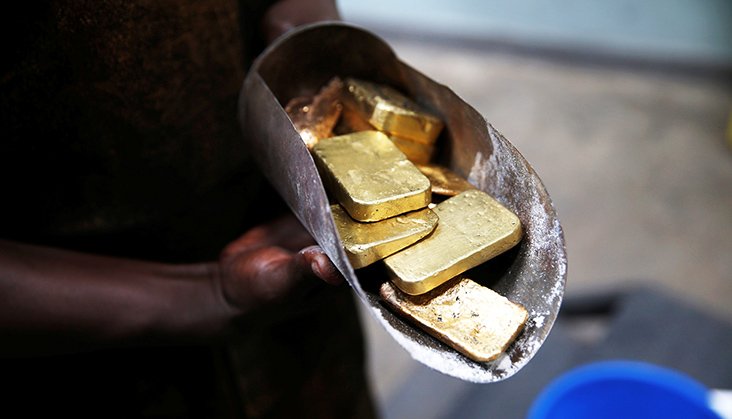
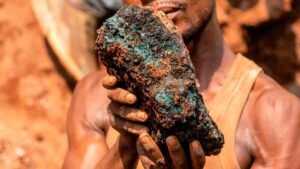
• DR Congo produces over 70% of the world’s cobalt.
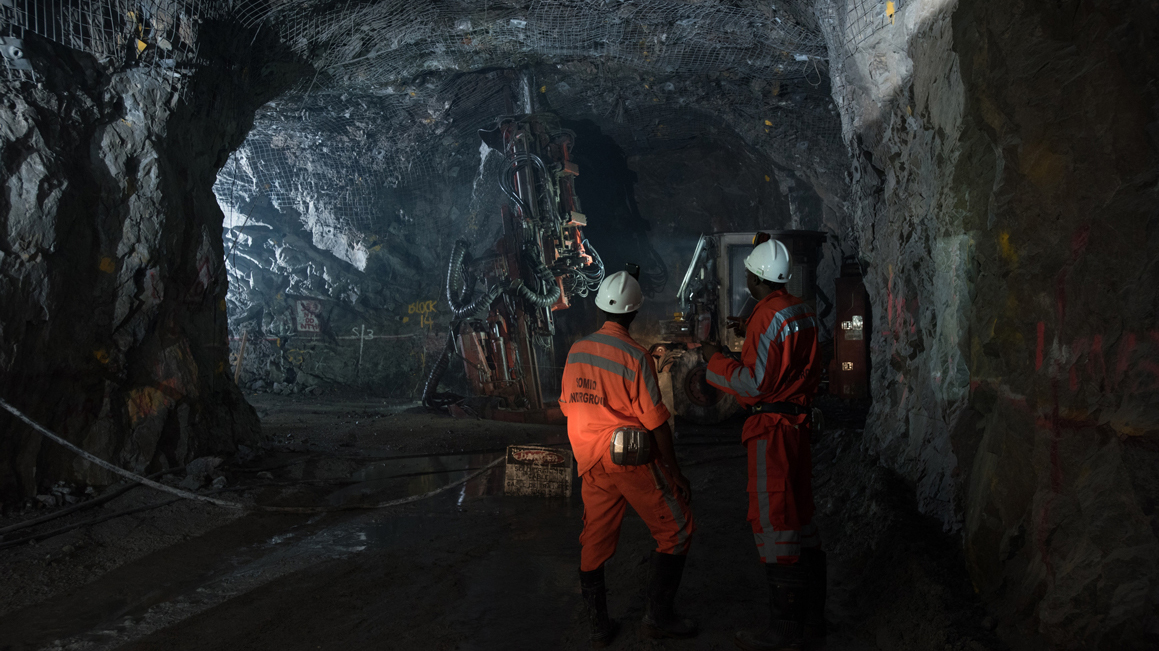
Africa accounts for roughly 30% of global mineral reserves, making it indispensable to renewable and low-carbon technologies.
China’s Entrenched Position
China has consolidated influence in Africa through initiatives like the Belt and Road, securing direct access to mineral reserves. Meanwhile, U.S. leverage has waned, compounded by tariffs and uncertainty over the renewal of the Africa Growth Opportunity Act (AGOA), which expired in September 2025.
Strategic Pathways Forward
A comprehensive U.S. strategy must:
• Integrate Africa into global supply chains under frameworks like the AfCFTA and the AU Green Minerals Strategy.
• Invest in corridors such as the Lobito Corridor, offering alternatives to China’s dominance.
• Support mineral processing, recycling, and industrialization projects on African soil.
• Rebuild trust with African partners through transparent, mutually beneficial agreements.
Conclusion
Africa is emerging as the new battleground for critical minerals. Without decisive U.S. engagement, China’s entrenched position will continue to tilt the geopolitics of the clean-energy transition in its favor. By forging deeper partnerships with resource-rich African nations, Washington can secure supply resilience, diversify global value chains, and reassert itself as a reliable partner in the race for critical minerals.
Share this content: