Ghana Bans Mining in Forest Reserves to Protect Environment and Cocoa Belt

Accra, Dec 12, 2025 – Ghana has formally banned mining in forest reserves, reversing earlier policies that permitted controlled extraction and marking a decisive shift in environmental protection. The Ministry of Environment, Science and Technology announced the repeal this week, citing urgent need to safeguard water bodies, halt deforestation, and secure the country’s agricultural future.
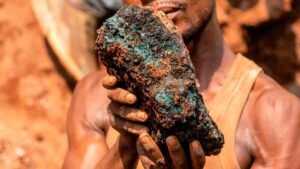
Africa’s leading gold producer has been grappling with a surge in poorly regulated small-scale mining, known locally as galamsey. These operations have devastated cocoa farms, degraded rivers, and stripped forests, sparking widespread protests and raising sustainability concerns across the mining sector.
Industrial Sector Under Pressure

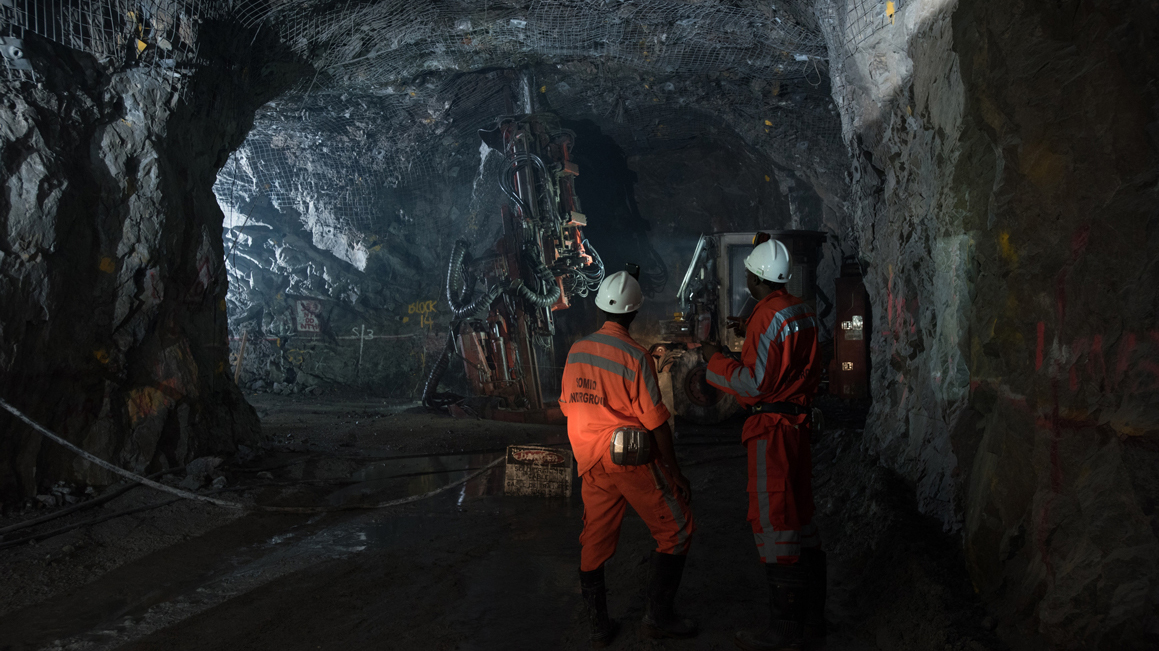
Major operators including Gold Fields, AngloGold Ashanti, Newmont, and Asante Gold report frequent incursions by illegal miners onto concessions. In response, companies have ramped up investments in:
• Security systems and surveillance drones to monitor encroachment.
• Community engagement programmes aimed at reducing local tensions and building trust.
Despite these efforts, illegal mining now spans 13 of Ghana’s 16 regions, including critical cocoa belts in Ashanti, Western, and Eastern regions, according to government data.
Policy Reversal
The Environmental Protection (Mining in Forest Reserves) Regulations of 2022 had allowed controlled mining in reserves, opening nearly 90% of forest reserves to extraction. The repeal, which took effect after a 21-day constitutional period, restores stronger legal protections for forests, water sources, and farmland.
“Healthy forests bring rainfall, protect our farms, and give life to our communities. Clean rivers secure our drinking water and our future,” said Acting Environment Minister Emmanuel Armah-Kofi Buah.
Advocacy and Next Steps
Environmental groups welcomed the move but cautioned that enforcement will be critical. Daryl Mensah-Bonsu of Da Rocha Ghana noted:
Implications for Industry
• Mining firms face heightened compliance obligations and potential operational constraints near forested zones.
• Cocoa producers stand to benefit from restored protections, reducing risks of farm destruction and water contamination.
• Policy makers must balance enforcement with community livelihoods, ensuring artisanal miners are integrated into formal schemes.
This landmark decision positions Ghana as a regional leader in environmental governance, with ripple effects across West Africa’s mining and agricultural sectors.
Share this content: