Joburg Indaba 2025: South Africa’s Mining Industry Urged to Find Renewed Purpose
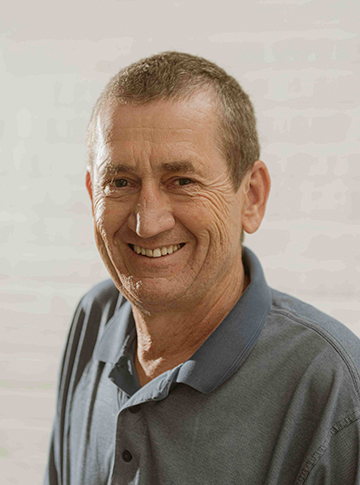
Duncan Wanblad, CEO of Anglo American:Photo: Anglo American
Johannesburg, South Africa – Calls for clarity, leadership, and collaboration dominated discussions at the 13th annual Joburg Indaba, where industry leaders warned that South Africa’s mining sector risks falling further behind global peers unless urgent reforms are made.
Bernard Swanepoel, chairman of the Joburg Indaba, set the tone by stressing the need for a “renewed sense of purpose” in the industry. “We need a globally competitive industry,” he said, pointing to policy uncertainty as a key constraint. He challenged delegates to consider how to “keep the faith in the mining industry” without resorting to false optimism.

The event, hosted by Resources 4 Africa in collaboration with Thinkspiration, drew several hundred CEOs, investors, and policymakers to the Inanda Club in Sandton last week.
Policy and Exploration: “Uncomfortable Truths”
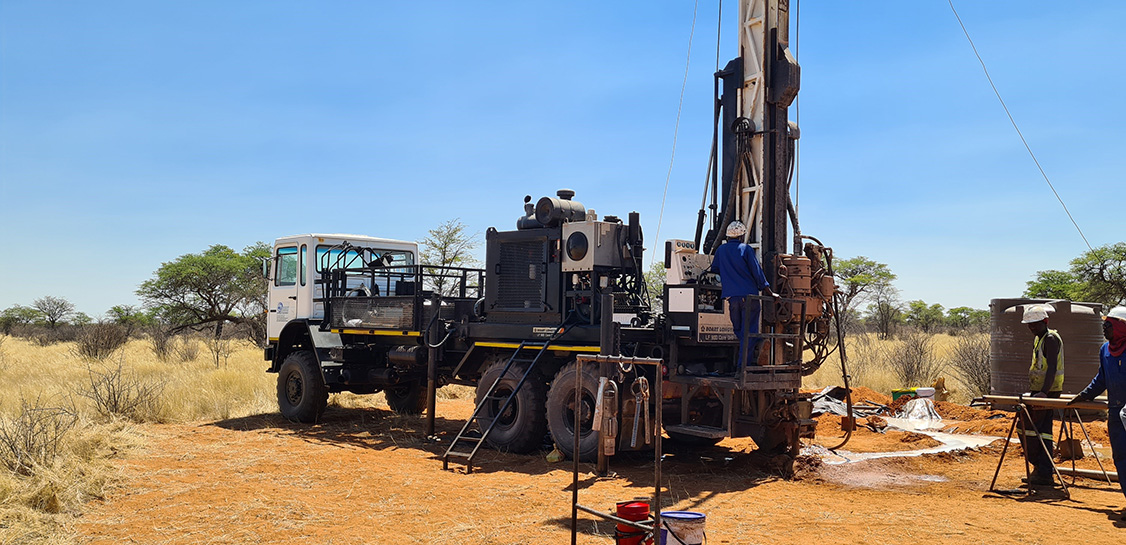
Duncan Wanblad, CEO of Anglo American, did not mince words. “There are a whole lot of uncomfortable truths. South Africa is underexplored today because it has had really unsupported policy for exploration for the last 20 years. That is really important in a mine’s life cycle. We are behind the curve.”
He emphasized that strong leadership and policy certainty are essential to attract investment. “Absent that policy, it will be very difficult to invest,” Wanblad said. While maintaining optimism, he acknowledged the challenges: “I am optimistic. But I do have a healthy dose of realism. We have challenges. We know what they are [but] we have a strong coalition of the willing.”
Cadastral System and Regulation
Executives repeatedly flagged the non-functional cadastral system as a critical barrier. Paul Dunne, President of the Minerals Council South Africa and CEO of Northam Platinum, stressed the importance of regulatory stability.
“It is critical for mining companies and investors to have a pragmatic, stable regulatory environment,” he said. Dunne confirmed that the Minerals Council has submitted concerns on the Mineral Resources Development Bill and remains engaged with government on legislative issues, including the chrome export tax. “The Council will not relent in advocating for the best environment,” he added.
Losing Ground to Competitors
Richard Sellschop, senior partner at McKinsey & Company, warned that South Africa is losing ground as a mining destination. He contrasted the country’s struggles with the progress made in Saudi Arabia and Zambia, where improved regulation, streamlined permits, and investor-friendly policies are attracting capital.
Collaboration and Infrastructure
Richard Stewart, CEO of Sibanye-Stillwater, called for greater collaboration across the value chain, including partnerships with downstream players.
Nolitha Fakude, chair of Anglo American South Africa, echoed the need for alignment. “We are hoping going forward we will see more of an integration and alignment in policies to support mining. In mining, we have to navigate five to six departments; it requires tenacity.”
She added that South Africa must define its goals and strengthen infrastructure. “This can happen with partnerships and collaboration, which require us to be honest with each other.”
Outlook
The Joburg Indaba once again highlighted the crossroads at which South Africa’s mining industry finds itself. With global competitors moving ahead, executives agree that the sector’s future hinges on decisive leadership, regulatory certainty, and a willingness to collaborate across government and industry.
Share this content: