Curbing Violations by Chinese Multinationals in Africa’s Critical Minerals Boom
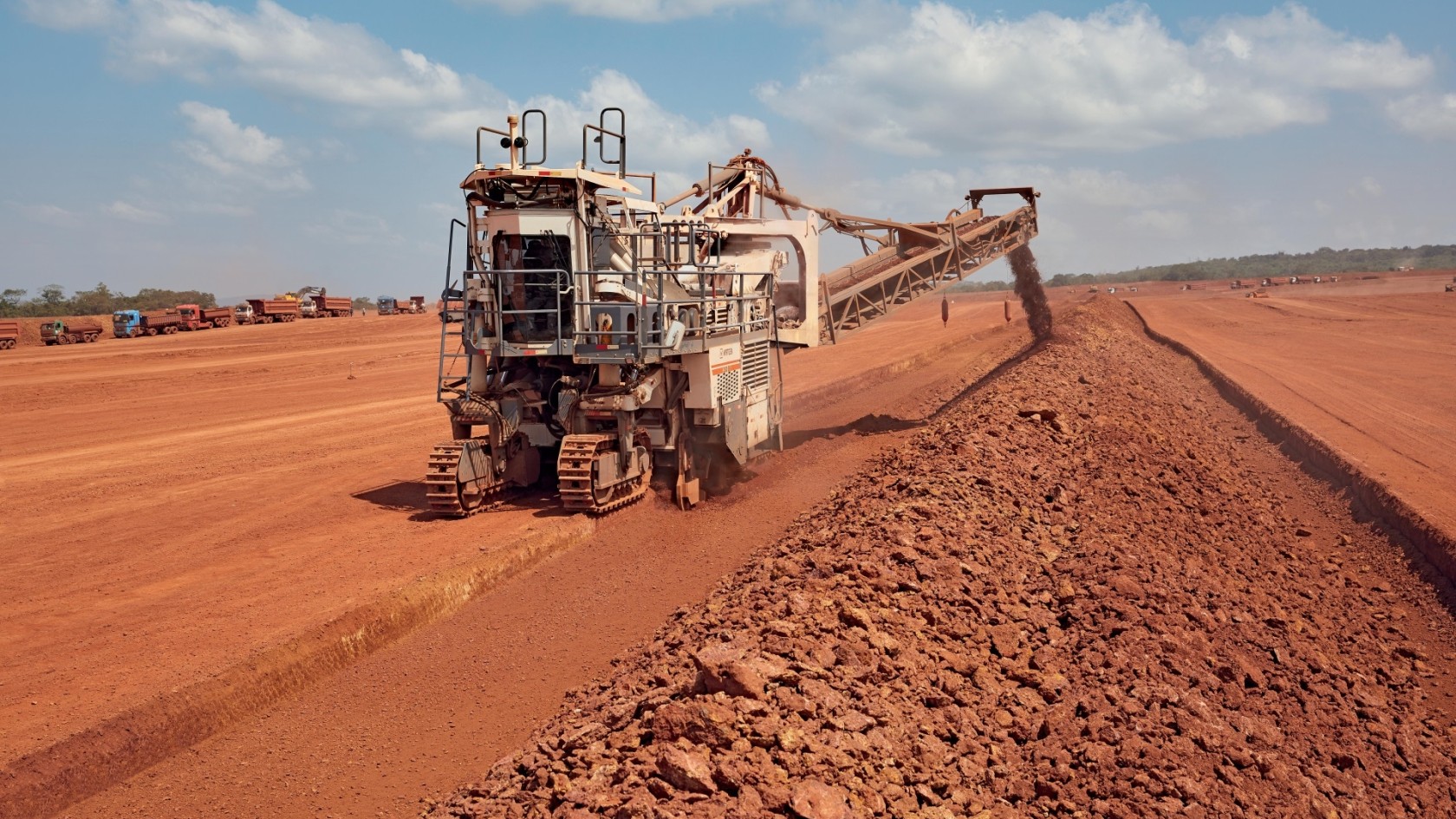
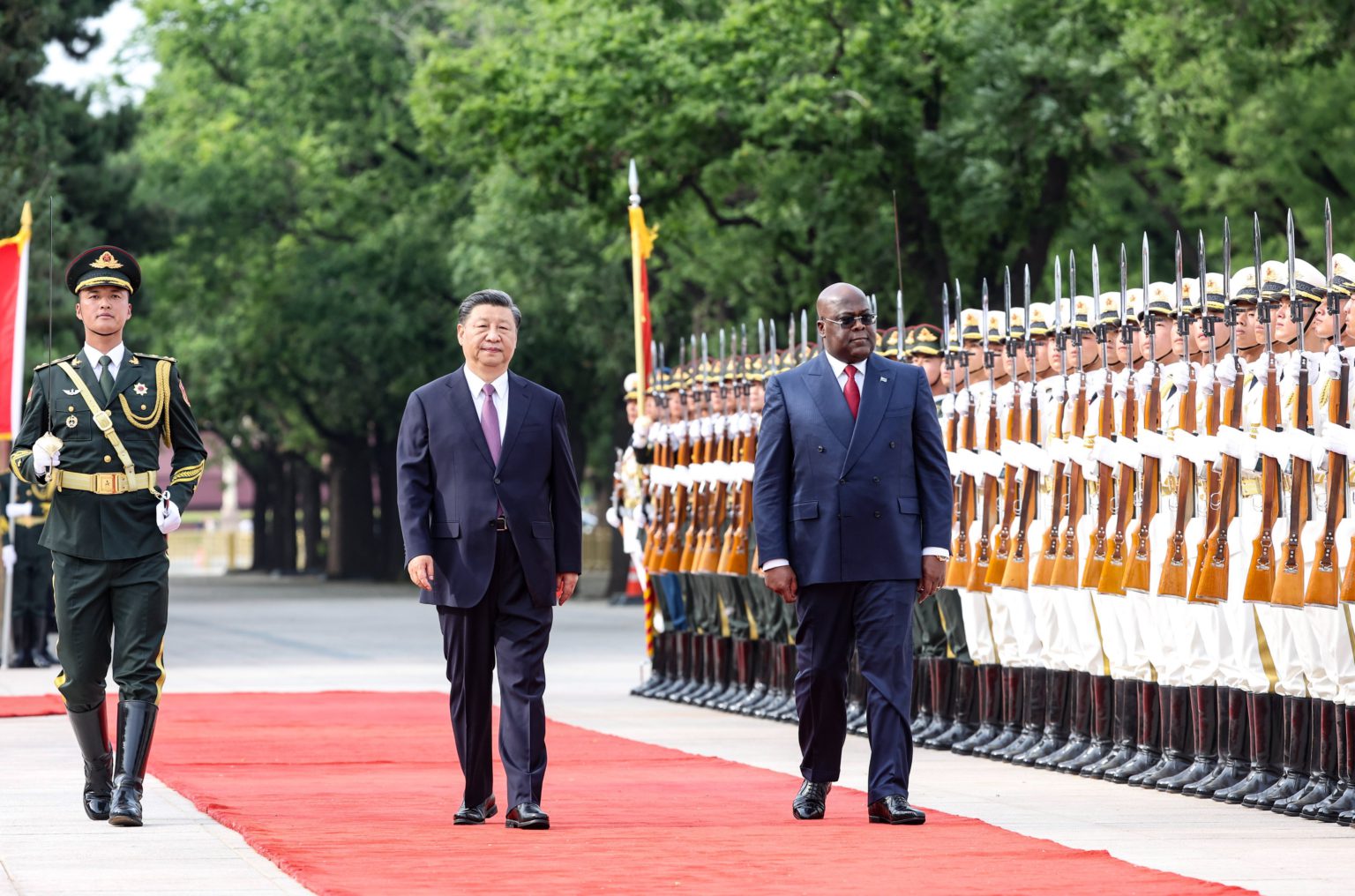
Africa’s critical minerals boom, driven by global demand for cobalt, lithium, and copper, has attracted billions in Chinese investment through the Belt and Road Initiative. While this influx promises industrial growth and manufacturing potential, it has also exposed deep-rooted violations by Chinese multinationals operating across the continent. These include unfair labour practices, environmental degradation, and systemic disregard for national and international standards.
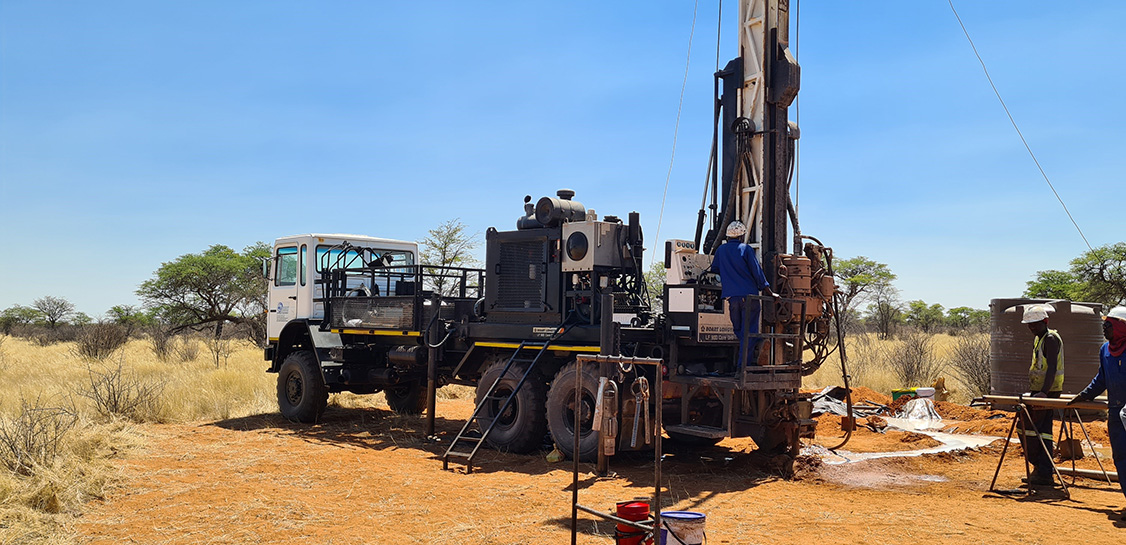
Chinese firms now control up to 90 percent of rare-earth refining and have invested approximately US$4.5 billion in lithium mining alone. In exchange for infrastructure, African governments have granted access to raw resources that feed China’s vertically integrated supply chains. However, this model has come under scrutiny for its exploitative tendencies. Workers face low wages, precarious conditions, and suppression of union rights. Cases of physical assault by Chinese supervisors have been reported in Zimbabwe, while Zambia’s Sino-Metals Leach disaster released toxic sludge into major rivers, affecting hundreds of thousands of residents and triggering legal action.
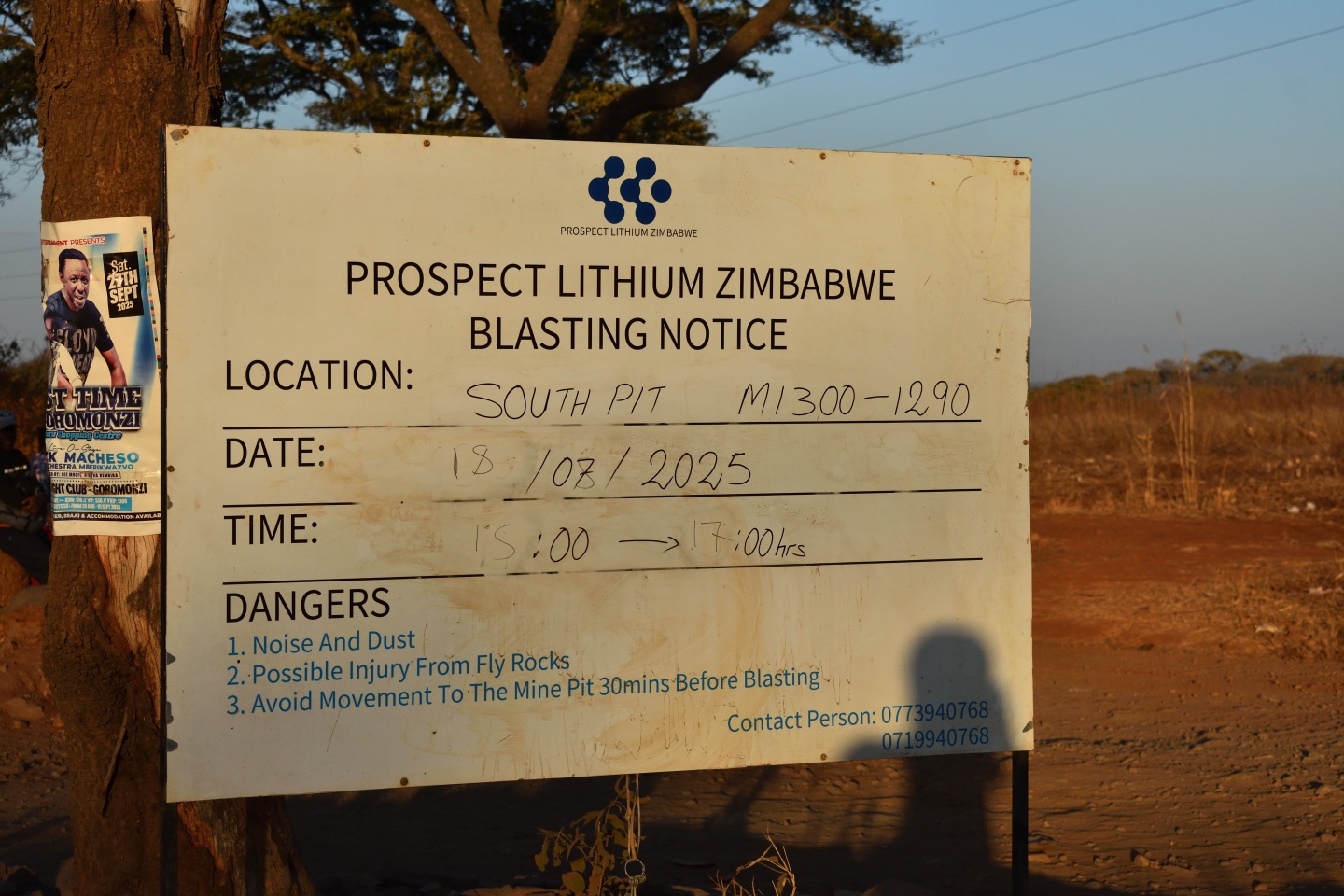
In response, IndustriALL Global Union affiliates in Botswana, DRC, Zambia, and Zimbabwe are implementing human rights due diligence (HRDD) frameworks to combat violations and demand accountability. These efforts include pushing for audits, launching HRDD bodies, and campaigning for community redress. The Tenke Fungurume mine in the DRC, operated by China Molybdenum, is set to undergo an audit by the Initiative for Responsible Mining Assurance—marking a first for Chinese firms in Africa. Meanwhile, unions in Zimbabwe continue to resist intimidation at Sinomine’s Arcadia and Bikita lithium mines.

HRDD is emerging as a strategic tool to safeguard workers and communities, enforce government responsibility, and prescribe remedies. It will be a central topic at the upcoming global mining conference in Sydney on 2 November, where stakeholders will examine the role of Chinese multinationals in Africa’s mining future and the urgent need for ethical oversight.
Share this content: