African Trade Unions Demand Worker-Centered Redesign of Green Minerals Strategy
Addis Ababa, 2 December 2025 — Trade unions representing millions of African workers in mining, energy and manufacturing industries have warned that the continent’s new African Green Minerals Strategy (AGMS) risks repeating the historical pattern of raw resource extraction unless it is radically redesigned to prioritize decent work and local value addition.
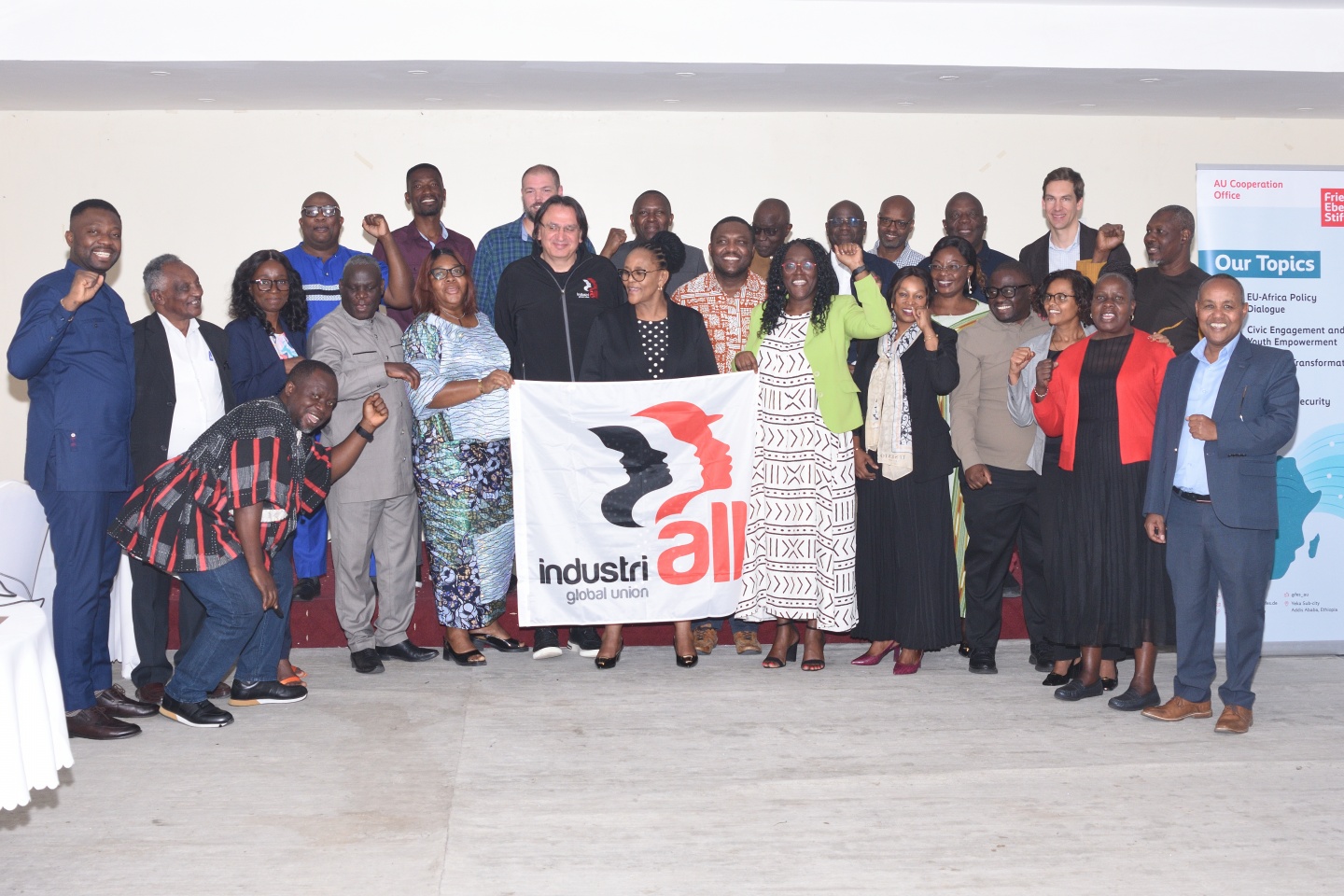
The declaration was made on 1 December by 35 trade unionists from 14 countries during a colloquium marking Africa Industrialization Day. Held under the theme “Empowering workers in the AGMS: Balancing industrialization with human rights due diligence,” the gathering underscored the urgency of aligning Africa’s mineral wealth with industrialization and social justice.
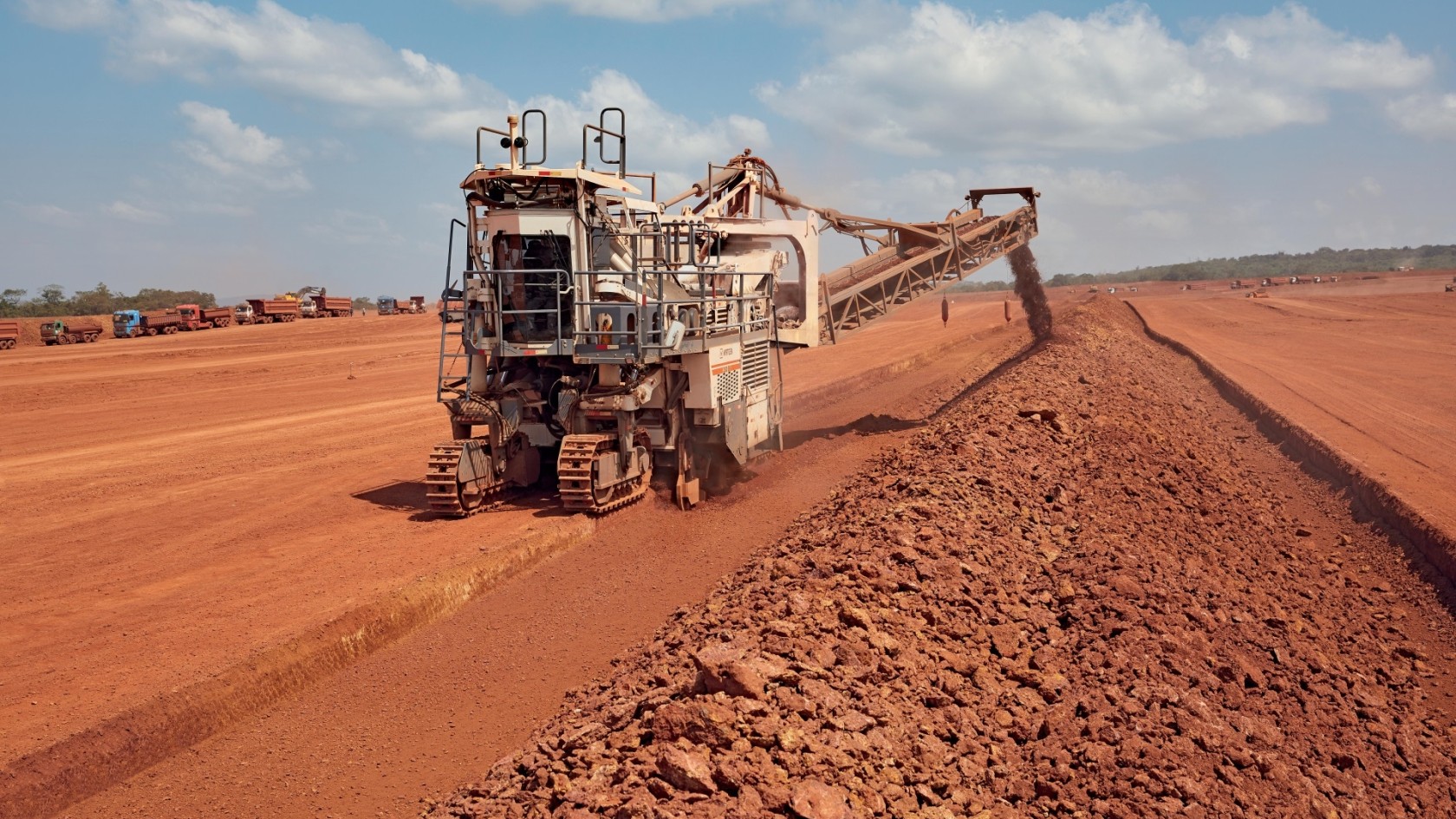
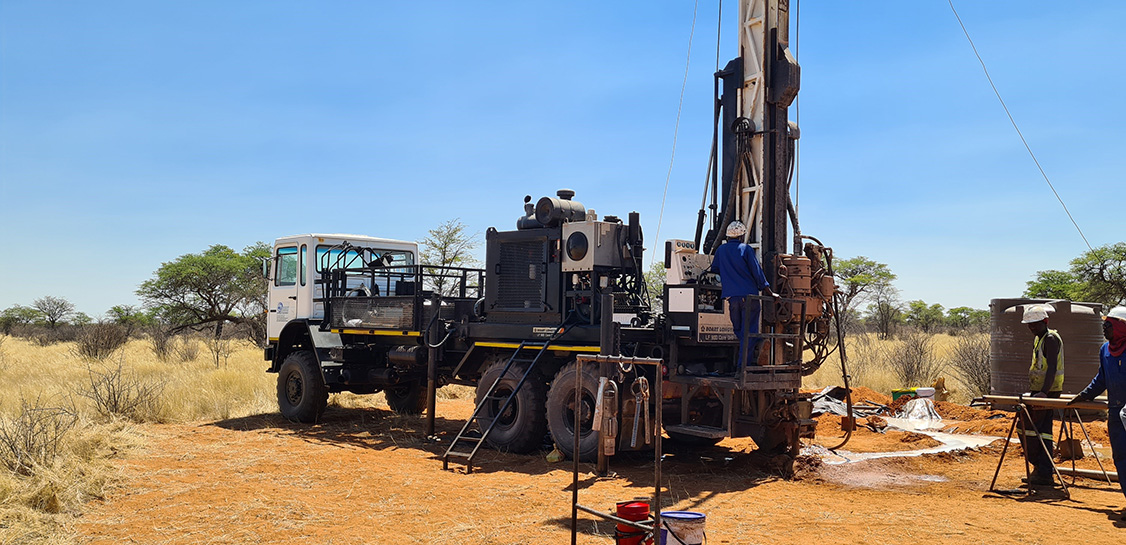
Africa holds more than 30 per cent of the world’s reserves of minerals critical to the energy transition, including cobalt in the Democratic Republic of Congo, copper in Zambia, nickel in Madagascar, manganese in Gabon, graphite in Mozambique, lithium in Zimbabwe and rare earths across Namibia and Burundi. Yet despite this abundance, the continent’s share of the value created from these resources has remained minimal, echoing colonial-era patterns of export without industrial transformation.

The unions, through a joint declaration by IndustriALL Global Union Sub-Saharan Africa and ITUC-Africa, insisted that “there can be no green transition without decent work.” They demanded permanent contracts, living wages, sector-wide collective bargaining and enforceable supply-chain accountability for multinational corporations from both the West and China.
Economic analysis presented at the colloquium highlighted the stakes. McKinsey estimates suggest that meeting global net-zero targets by 2050 will require US$3.5 trillion of investment in critical minerals, with Africa potentially capturing US$1 trillion if it moves up the value chain. Currently, however, most of Africa’s output is exported as ore or low-grade concentrate.
A smartphone battery retailing at US$50 may contain Congolese cobalt worth less than ten cents at the mine gate, while the bulk of the margin is captured in refineries in China, battery plants in South Korea or Germany, and assembly lines in California or Shenzhen. In 2024, the Democratic Republic of Congo earned just US$1.2 billion in cobalt royalties despite exporting material valued at more than US$20 billion.
The unions argued that the AGMS must mandate local processing and manufacturing, pointing to opportunities for battery production in Kolwezi, cathode manufacturing in Kitwe, and precursor chemicals in Johannesburg. They called for binding local-content rules, social clauses in investment packages, and co-governance of proposed skills and research funds. They also demanded renegotiation of existing contracts to curb profit-shifting and illicit financial flows, with revenues directed into sovereign wealth funds rather than externalized to tax havens.
Environmental, social and governance standards, they said, must be implemented with explicit labour protections, including freedom of association, occupational health and safety, and decent work guarantees. The unions warned that Africa’s working-age population will grow by about 450 million people by 2050, and without industrial jobs on a massive scale, the demographic dividend could turn into a social catastrophe. They also cautioned against “resource-for-security” deals that risk turning mineral-rich provinces into arenas of proxy conflict.
“Africa is rich beneath the ground but poor above it and this must change,” declared Martha Molema, president of ITUC-Africa. Rose Omamo, IndustriALL vice president and ITUC-Africa deputy president, added: “Critical minerals must power African industrialization and decarbonization, support manufacturing industries and create jobs for the youth. Further, women in mining must be given licences and financial support to mine critical minerals.”
The declaration signals organized labour’s determination to ensure that Africa’s green minerals boom does not simply replicate extractive models of the past, but instead becomes a driver of industrialization, decent work, and inclusive development.
Share this content: