Strategic Fleet Management Enhances Safety, Efficiency at Cementation Africa
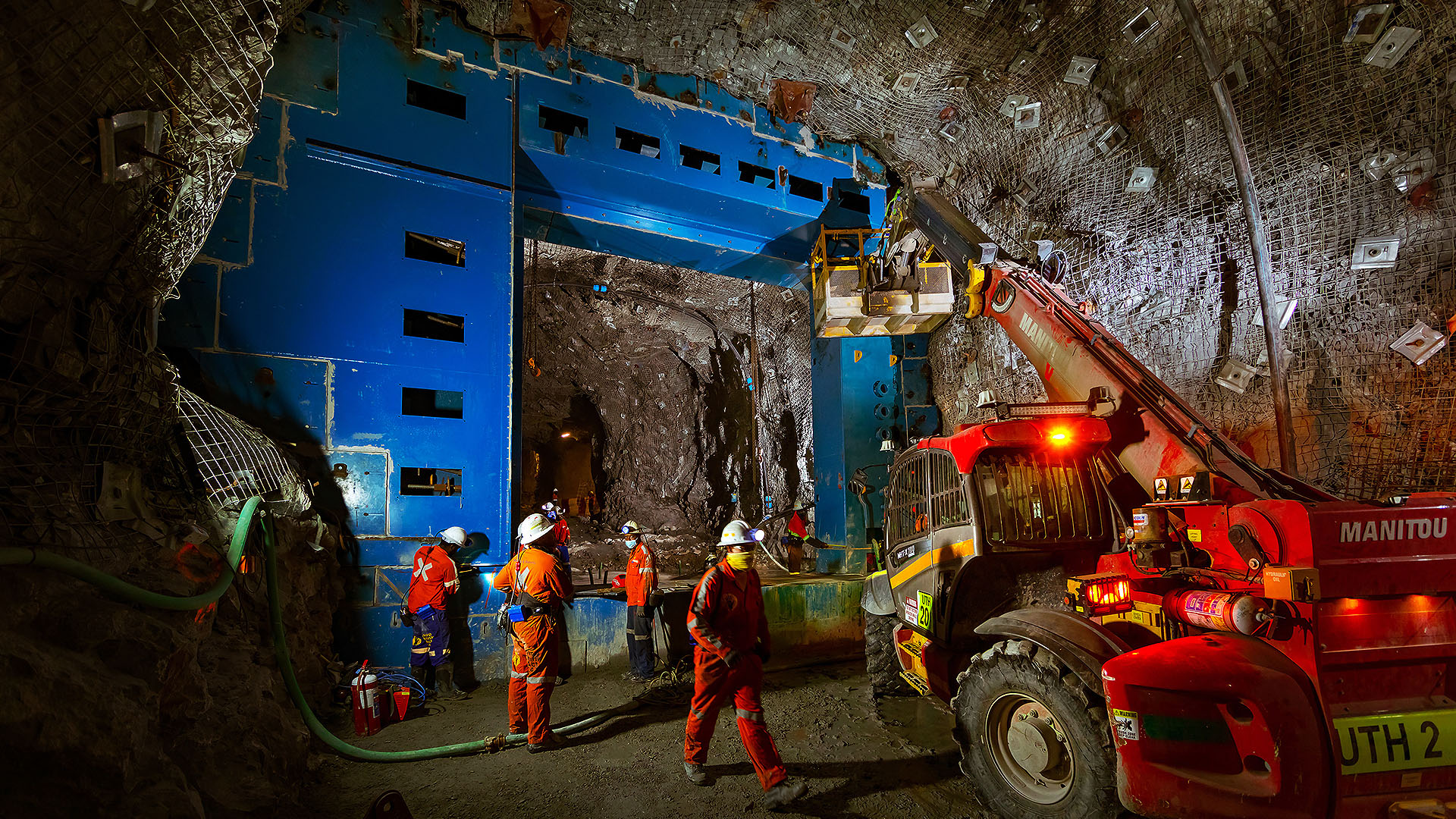
Cementation Africa is leveraging a carefully structured fleet management strategy to improve operational safety, cost efficiency, and project flexibility across its underground mining and shaft-sinking operations.
By combining in-house engineering expertise with a selectively owned fleet of specialised equipment, the company says it is able to respond quickly to project-specific requirements while maintaining strict performance and safety standards.
According to Arthur Adams, Manager: Engineering at Cementation Africa, the company’s approach centres on maintaining a strategic fleet rather than a large, fully owned equipment base.

“The balance between owning key assets and operating client-owned machinery gives us flexibility without carrying the depreciation risk of underutilised equipment,” Adams said. “It allows us to respond rapidly to project needs while retaining control over safety and operational performance.”
Focused asset ownership supports cost control
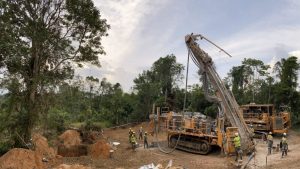
Cementation Africa’s strategic fleet includes critical infrastructure and shaft-access equipment such as winders and flameproof machinery used in specialised applications, including box-cut development in coal mining.
The company applies a disciplined lifecycle approach to fleet management, scheduling intermediate and major rebuilds to maximise uptime while managing long-term capital and operating costs.
“This supports our objective of achieving the lowest total cost of ownership across the fleet,” Adams noted. “Our maintenance cycles and staffing models are informed by historical data and proven formulas, which improves productivity while keeping costs under control.”
In-house engineering and training capability
A key differentiator in Cementation Africa’s model is its in-house engineering services and rebuild facility near Carletonville in Gauteng. The workshop refurbishes both company-owned and client equipment to original equipment manufacturer (OEM) specifications, ensuring consistent quality and reliability.
The site also hosts the Cementation Africa Training Academy, reinforcing the link between equipment performance, maintenance standards, and skills development.
Project-specific collaboration with clients
According to Graham Chamberlain, New Business Director at Cementation Africa, the company does not rely on a centrally owned contract fleet. Instead, equipment decisions are made on a project-by-project basis, in close collaboration with clients.
“For each contract, we assess the mining method, production targets, and site conditions before selecting the most appropriate equipment together with the client,” Chamberlain said. “In some cases, we purchase equipment on the client’s behalf; in others, the client procures it directly and we operate it.”
While ownership of the equipment ultimately rests with the client, Cementation Africa’s technical input ensures machinery is optimally matched to the operational requirements.
Planning around equipment availability
Chamberlain added that lead times for new equipment are factored into project planning. Where early access is not possible, the company deploys bridging equipment, typically used machinery, to maintain project schedules.
“In many cases, we are also able to engage with OEMs to secure timely delivery of new equipment,” he said.
As mining projects across Africa face increasing pressure to improve safety, manage costs, and deliver on tight timelines, Cementation Africa’s targeted fleet strategy highlights how selective ownership, data-driven maintenance, and client collaboration can support resilient and efficient project execution.
Share this content: