Formalising Artisanal Mining Urgent as Africa Eyes Critical Minerals Boom
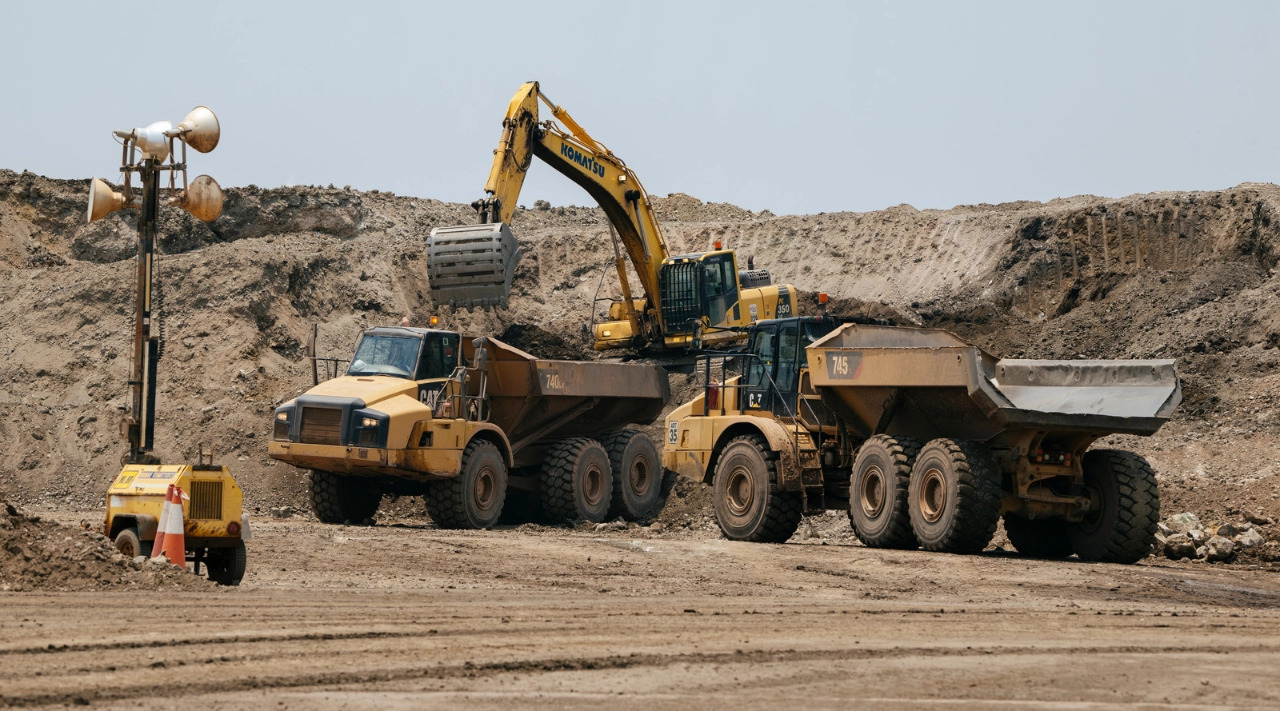
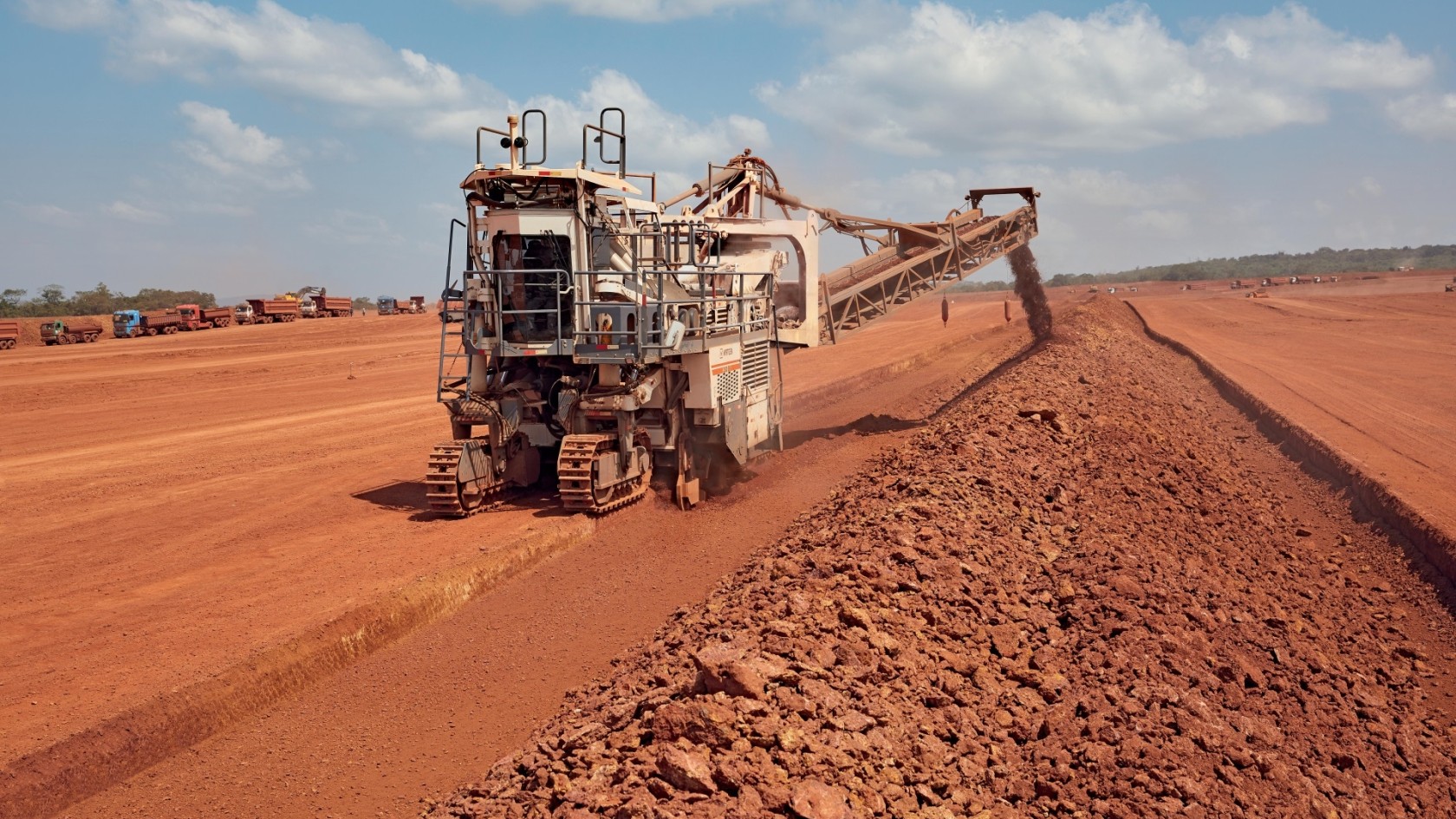
Kamoto Copper Mine. Credit: Glencore
Bringing artisanal and small-scale mining (ASM) into the legal economy — and integrating it into global critical minerals supply chains — emerged as a central theme at the Investing in African Mining Indaba in Cape Town.
With global demand for transition minerals accelerating, industry leaders, regulators and private-sector executives agreed that Africa cannot afford to sideline the millions of people working in artisanal mining. Instead, formalisation is increasingly viewed as essential to unlocking the continent’s mineral potential while improving livelihoods and governance.

The Scale of Artisanal Mining in Africa
ASM plays a major role in the global mineral economy:
- 45 million people work directly in ASM worldwide
- Up to 315 million people benefit indirectly
- Around 10 million artisanal miners are in Africa
- An estimated 2–3 million operate in the Democratic Republic of Congo (DRC) alone
Critical minerals such as cobalt, lithium, tin and tantalum — key inputs for batteries, renewable energy systems and electric vehicles — are often produced partly through artisanal operations.
Yet despite its importance, ASM frequently operates outside formal legal frameworks, limiting miners’ access to finance, insurance, structured markets and safety protections.
South Africa: Regulatory Reform Underway
In South Africa, formalisation efforts are gaining momentum.
Ntokozo Nzimande, Deputy Director-General of Mining and Petroleum Policy Development at the Department of Mineral and Petroleum Resources (DMPR), acknowledged that the country has historically been slow to regulate ASM.
Recent amendments to the Mineral and Petroleum Resources Development Act and the introduction of a new Artisanal Mining Licensing System now allow small-scale miners to obtain permits for defined mining areas on a month-to-month basis over three years, with renewal options.
The goal, Nzimande explained, is to:
- Regularise artisanal mining activities
- Provide legal security of tenure
- Enable progression from subsistence mining to junior mining
- Integrate ASM into the mainstream mining economy
She stressed that ASM should not be equated with illegal mining, emphasizing that for many communities it is a long-standing livelihood activity rather than criminal enterprise.
The DRC Model: Zones and Cooperatives
The DRC provides one of the most advanced examples of ASM formalisation in Africa.
According to Popol Mabolia Yenga, Managing Director of the country’s Mining Cadastre (CAMI), the government established official artisanal mining zones following the collapse of a state-owned mining entity years ago.
These designated zones allow miners to:
- Operate legally within approved concessions
- Join cooperatives
- Access traceability-compliant supply chains
- Market minerals internationally
Formalisation in the DRC has also enabled miners to gain access to financial services, life insurance and retirement funds — a significant shift from survival-based informal extraction.
Linking ASM to Global Supply Chains
Private-sector partnerships are also shaping the future of responsible sourcing.
Norman Mukwakwami, Global Head of Responsible Sourcing – Metals at Trafigura, highlighted collaboration between Trafigura, mining company Chemaf and the COMIAKOL miners collective at the Mutoshi cobalt mine in Kolwezi, DRC.
This model demonstrates that artisanal miners can:
- Work within large-scale mining concessions
- Meet international traceability standards
- Deliver cobalt safely to global markets
Such partnerships show that formalised ASM can coexist with industrial mining operations while supporting compliance with environmental, social and governance (ESG) standards demanded by global buyers.
Beyond Regulation: Building a Complete Value Chain
Mohammad Stevens of the African Legal Support Facility argued that ASM should be viewed as part of a broader minerals value chain.
For formalisation to succeed at scale, governments need:
- Clear legal frameworks defining where and how ASM can operate
- Environmental, health and safety standards
- Transparent export requirements
- Capacity to negotiate international agreements
- Gender-inclusive value-chain policies
Security of tenure and structured pathways for miners to graduate into mechanised small-scale or junior mining are also crucial.
Coexistence with Large-Scale Mining
Delegates at Mining Indaba agreed that ASM and large-scale mining do not have to compete destructively.
Where major mining houses cannot profitably develop certain concessions, rights can be ceded to smaller operators. Regulatory frameworks can allow multiple scales of operation within a coordinated ecosystem — ensuring both economic viability and community livelihoods.
Why Formalisation Is Urgent
As global competition intensifies for critical minerals essential to the energy transition, Africa’s leverage is increasing. However, failure to formalise ASM risks:
- Exclusion from premium international markets
- Persistent unsafe working conditions
- Lost fiscal revenues
- Supply chain disruptions
- Conversely, large-scale formalisation could:
- Boost rural employment
- Improve traceability and ESG compliance
- Increase tax revenues
- Strengthen Africa’s bargaining power in global minerals trade
The message from Mining Indaba 2026 was clear: formalising artisanal mining is no longer optional. It is a strategic imperative for Africa’s industrial future and its role in the global critical minerals value chain.
Share this content: