Gecamines Secures Rights to Market Copper from Kamoto Copper Company
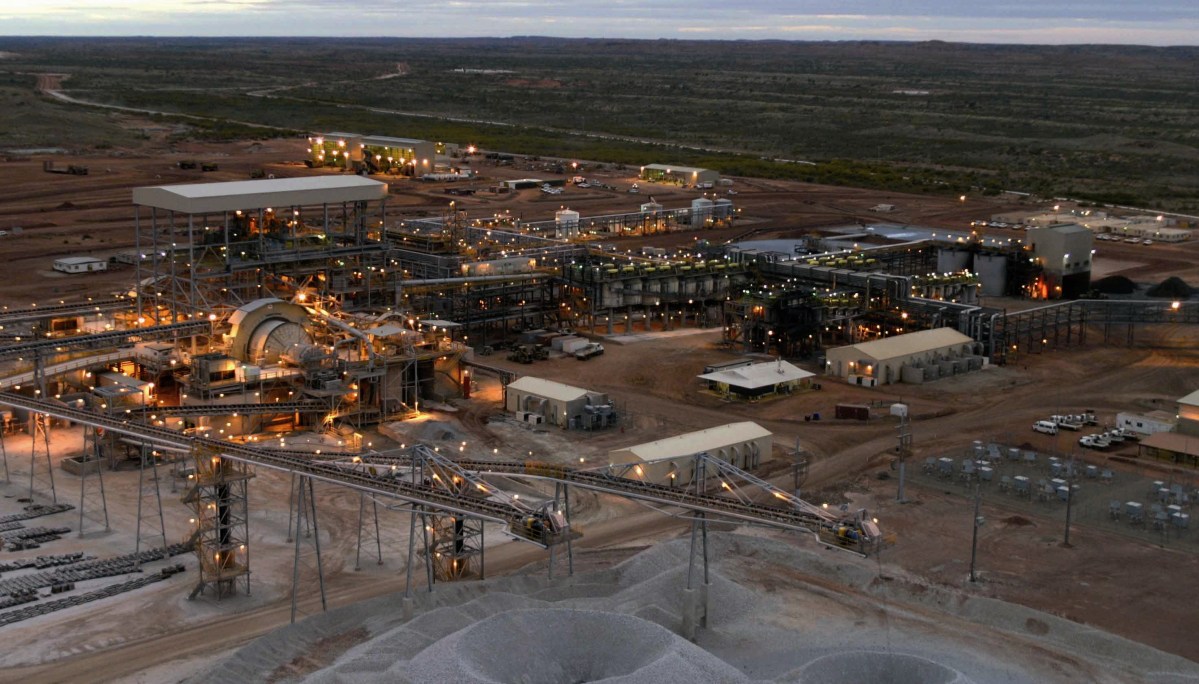
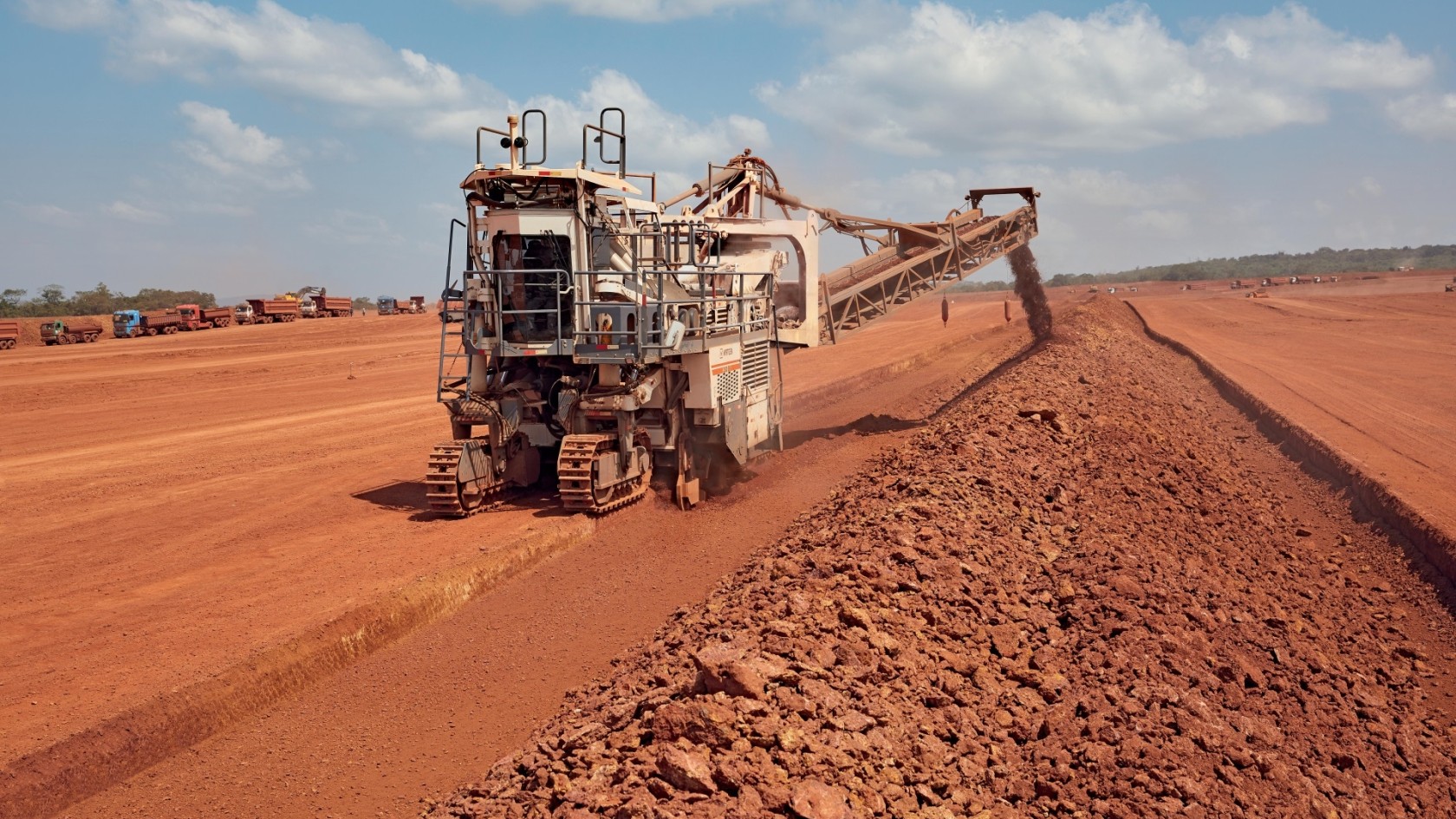
The Democratic Republic of Congo has taken another major step toward asserting greater control over its mineral wealth after state mining company Gecamines struck a deal to market copper from Kamoto Copper Company (KCC), a flagship operation majority owned by Glencore.
Under the agreement signed in Cape Town last week, Gecamines will tender approximately 50% of KCC’s copper output for 2026 and 2027, and 30% thereafter. The arrangement may be extended to compensate for volumes the state miner was previously unable to market.
Expanding Congo’s State-Led Copper Trading Strategy

The deal reflects a broader strategy by Congo’s government to increase domestic participation in the trading of critical minerals — particularly copper and cobalt — which are essential for electric vehicles, renewable energy infrastructure and data centers.
Congo is now the world’s second-largest copper producer after Chile, with output reaching 3.5 million tons in 2025. Copper prices have hit record highs this year amid surging global demand tied to the energy transition.
Chinese-controlled mining projects accounted for over 80% of Congo’s copper production last year, while Glencore’s two operations — KCC and Mutanda Mining — remain among the largest Western-owned assets in the country.
Role of Mercuria in the Trading Push
Gecamines is expected to channel some of the KCC copper volumes through its partnership with Mercuria Energy Group. Mercuria provides financial, logistical and technical backing to Gecamines’ newly established trading arm.
The state miner has already secured similar marketing rights from other major copper projects, including:
- CMOC Group Ltd.’s Tenke Fungurume mine
- Sicomines, controlled by China Railway Group and Power Construction Corp. of China
Over time, Gecamines aims to trade as much as 500,000 tons of copper and 40,000 tons of cobalt annually from assets in which it holds shareholdings.
Ownership and Production Outlook
KCC produced approximately 190,000 tons of copper in 2025, but the longer-term production target is 300,000 tons annually. Glencore recently concluded a separate land agreement with Gecamines that could enable KCC to reach that expansion goal.
Ownership structure at KCC is divided as follows:
- 75% held by Glencore subsidiary
- 25% held by Gecamines
- 5% held directly by the Congolese government
The marketing deal was presided over by Portfolio Minister Julie Shiku.
Strategic Context: US and Global Interest in Critical Minerals
The agreement also comes amid heightened geopolitical competition over critical mineral supplies. This month, Orion CMC — backed by the state-owned U.S. International Development Finance Corporation — announced a preliminary deal to acquire stakes in Glencore’s Congolese subsidiaries, reflecting growing US interest in securing supply chains.
Strengthening Congo’s Bargaining Power
By directly marketing a significant share of copper output, Gecamines is:
- Increasing control over pricing and buyer selection
- Reducing reliance on dividend flows
- Enhancing state revenue capture
- Building in-house trading expertise
The move mirrors similar efforts across Africa, where governments are seeking to extract greater value from mineral resources amid record global demand.
As copper’s strategic importance intensifies, Congo’s evolving model could redefine how resource-rich nations participate in international commodity markets — shifting from passive shareholders to active trading participants in the global energy transition economy.
Share this content: