Sumitomo Corporation’s Ambatovy Mine Still Shut After Cyclone Damage
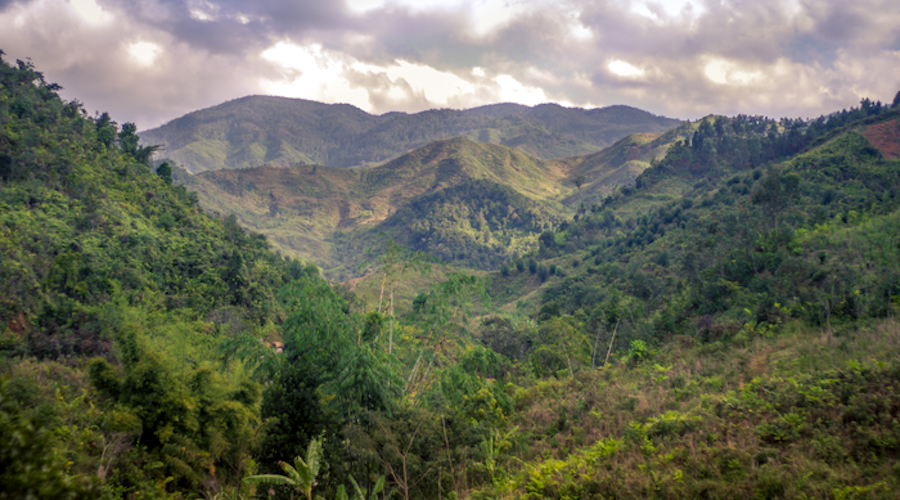
Japan’s Sumitomo Corporation confirmed that its Ambatovy nickel-cobalt project in Madagascar remains suspended after Tropical Cyclone Gezani struck the island last week, damaging site facilities.
Operations were halted ahead of the storm as a safety precaution. The company said it is now conducting a detailed assessment of:
- Physical damage to processing facilities
- The condition of equipment and infrastructure
- The potential financial impact
A restart timeline has not yet been determined, with officials indicating that it could take several weeks just to complete the damage assessment.

Strategic Importance of Ambatovy
Ambatovy is one of the largest nickel and cobalt operations in the world and a key supplier to the battery materials market, particularly for electric vehicles.
The mine is jointly owned by:
- Sumitomo Corporation
- Korea Mine Rehabilitation and Mineral Resources Corporation (KOMIR)
Recent Production (2024)
- Nickel: ~28,000 metric tons
- Cobalt: ~2,500 metric tons
Cobalt and nickel are essential components in lithium-ion battery cathodes, and any disruption in supply can tighten global markets.
Market Impact
Commodity traders noted last week that production had been halted due to the cyclone. A prolonged shutdown could:
- Support higher nickel and cobalt prices
- Tighten supply chains for battery manufacturers
- Increase pressure on EV supply chains
- Nickel markets have already experienced volatility in recent years, while cobalt remains strategically important due to its heavy concentration of supply in Africa.
What Happens Next?
Sumitomo said it will work with partners and local stakeholders to implement recovery and reconstruction measures once the damage review is complete.
Key variables to watch:
- Duration of the outage
- Extent of infrastructure damage
- Insurance coverage and repair costs
- Impact on 2026 earnings guidance
If the shutdown extends beyond a few weeks, the effect could ripple through battery raw material markets — especially given Ambatovy’s role as one of Madagascar’s largest industrial projects.
Share this content: