From Minerals to Manufacturing: UN Trade and Development Backs Africa’s Value Addition Drive

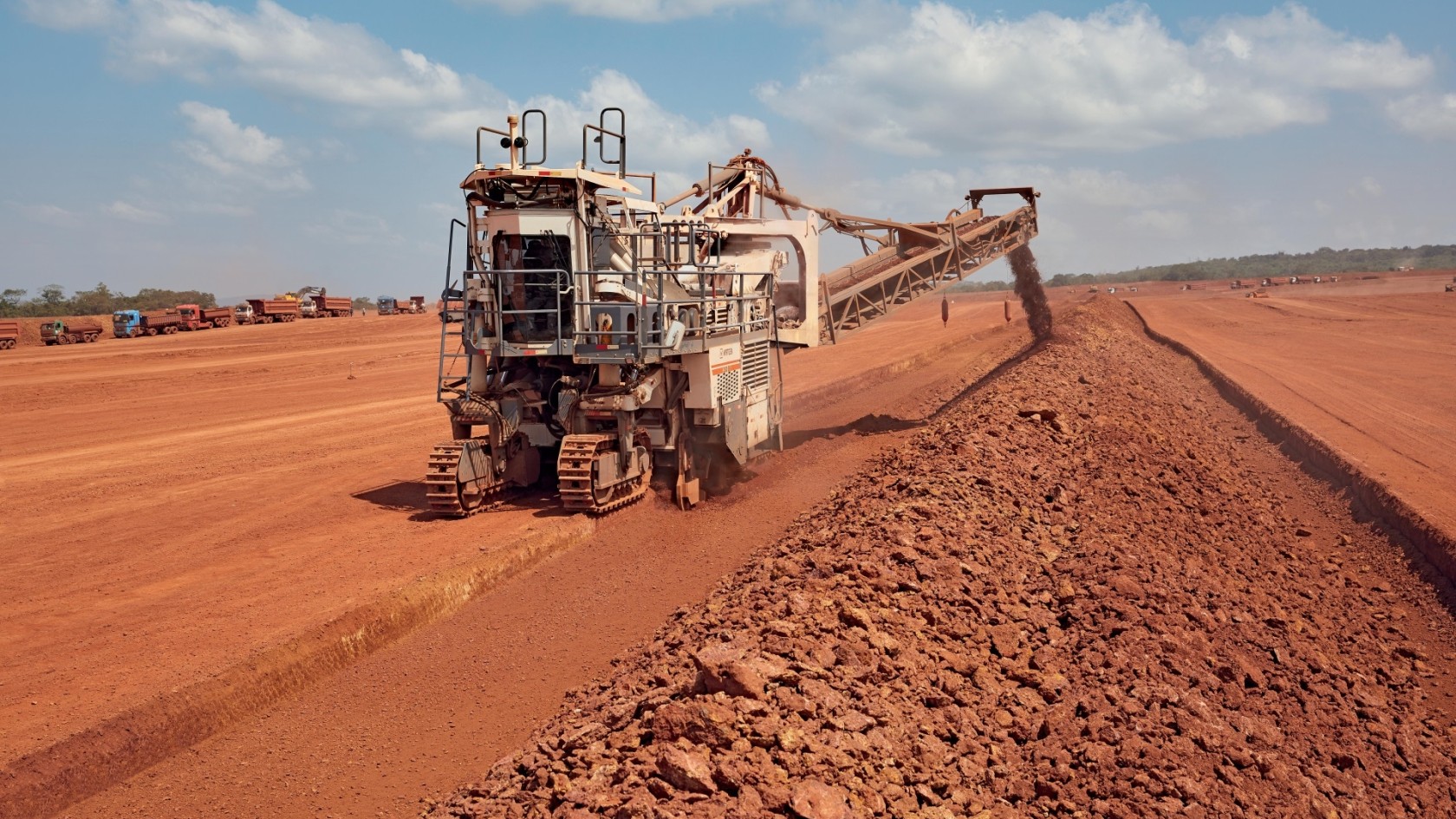
Africa stands at a pivotal moment in the global energy transition, with its vast mineral wealth offering unprecedented industrial opportunities — but only if countries move decisively from raw material exports to value-added production.
That was the central message from UN Trade and Development Secretary-General Rebeca Grynspan, who concluded a week-long mission to the continent focused on advancing structural transformation and economic sovereignty.
Participating in the 39th African Union Summit and the Africa Business Forum 2026 in Addis Ababa, Grynspan underscored the urgency of policy choices that can convert Africa’s mineral endowment and demographic growth into long-term prosperity.

“Political independence without economic independence is incomplete,” she said, highlighting the need for deliberate industrial strategies to support diversification and job creation. With an estimated 13 million young people entering labour markets annually across least developed countries through 2050, she stressed that expanding productive sectors is no longer optional but essential.
At the Africa Business Forum, UN Trade and Development launched its Least Developed Countries Report 2025, examining how services — when supported by strategic investments in infrastructure and skills — can drive structural transformation. Grynspan framed the issue succinctly: “Structural transformation is the difference between exporting a raw diamond and cutting it.”
The mission then shifted to southern Africa, where value addition in critical minerals took centre stage.
In Lusaka, Grynspan launched UN Trade and Development’s Rapid Assessment of Value Addition and Diversification Capacity for Zambia. Developed in partnership with the Government of Japan, the assessment identifies more than 400 products across 25 sectors into which Zambia could realistically diversify. Of these, 73 are directly linked to energy transition mineral value chains, representing at least $1.4 billion in potential export opportunities.
As one of the world’s largest copper producers, Zambia occupies a strategic position in the global shift toward renewable energy technologies. Moving from copper ore exports to higher-value manufacturing, Grynspan noted, multiplies jobs, skills development and enterprise growth across the domestic economy.
“The mineral is identical,” she said. “What changes is the work that surrounds it.”
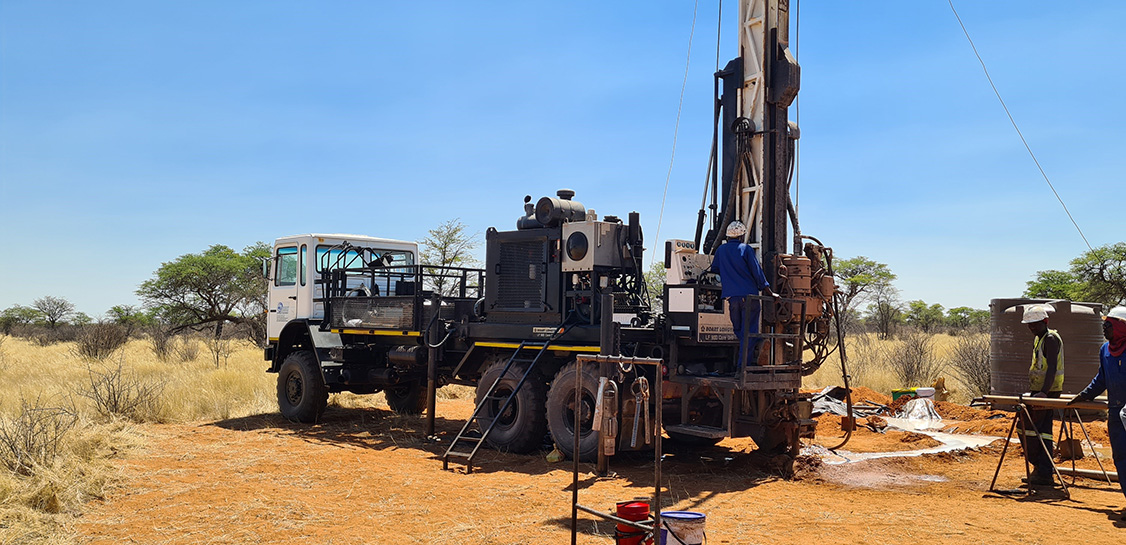
In Windhoek, a similar rapid assessment tailored to Namibia identified 353 products across 23 sectors, including 60 linked directly to energy transition minerals. A priority subset alone represents more than $800 million in market opportunities and the potential to create around 26,000 jobs.
Grynspan warned that two-thirds of developing countries remain commodity-dependent, raising a critical question: will the energy transition reinforce old patterns of raw material extraction, or become a catalyst for structural transformation?
Throughout the mission, discussions with heads of state, cabinet members and development partners centred on trade diversification, debt management and regional cooperation. The visit reaffirmed UN Trade and Development’s commitment to providing technical assistance and evidence-based policy tools to help African economies move up global value chains.
As global demand for critical minerals accelerates, Africa’s challenge is clear — to transform mineral wealth into manufacturing strength, ensuring that the continent captures a greater share of value from the resources that power the world’s green transition.
Share this content: