Africa Moves to Position Critical Minerals as an Economic Growth Engine

African governments and development financiers are accelerating collaboration to strengthen geological data, unlock investment and build the industrial capacity required to transform the continent’s critical minerals into a long-term economic driver.
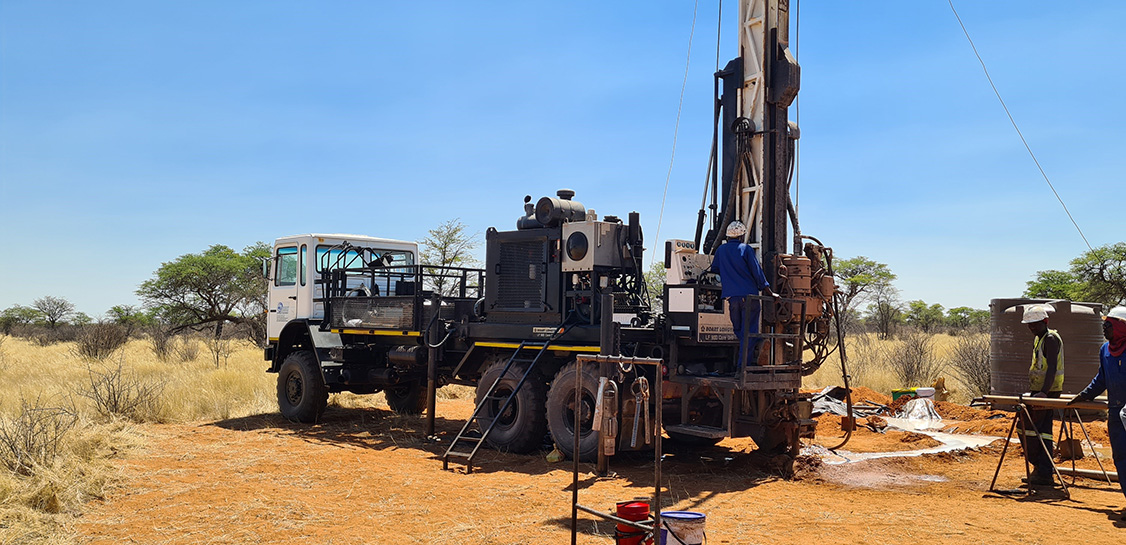
A notable example is the cooperation agreement between the Ministry of Mines and Geological Resources of Gabon and the Council for Geoscience. The arrangement allows Gabon to draw on South Africa’s expertise in geological mapping, mineral exploration and resource assessment. By upgrading its national mineral database and improving technical capacity, Gabon aims to diversify its mining industry and attract new investment.
The partnership also places strong emphasis on local skills development, workforce training and knowledge transfer. Strengthening institutional and technical capabilities is seen as essential to supporting sustainable, long-term expansion of Gabon’s mining sector.

Development finance institutions are likewise stepping up regional cooperation. Earlier this month, South Africa’s Industrial Development Corporation signed a memorandum of understanding with the Fonds de Promotion de l’Industrie of the Democratic Republic of Congo. The two institutions will jointly finance and develop projects across mining, energy and logistics value chains.
By aligning development finance capacity, the agreement is expected to ease longstanding funding bottlenecks that have slowed project implementation. It will also channel capital toward beneficiation infrastructure, mineral processing facilities and transport corridors — all key to retaining greater value within African economies.
Beyond Central Africa, several producers are leveraging South Africa’s technical know-how to reduce exploration risk and fast-track mineral development. Nigeria and South Sudan have entered into cooperation agreements with South African institutions focused on geological mapping, exploration support and technical collaboration. These initiatives form part of broader national strategies aimed at reducing reliance on petroleum revenues and promoting mining-led industrialisation.
According to Energy Capital & Power, the growing number of cross-border agreements signals increasing recognition among African governments that regional cooperation is critical to unlocking the continent’s mineral wealth. Collaborative frameworks allow countries to pool financial resources, share infrastructure such as rail, power and port systems, and align industrial policies to support downstream beneficiation and manufacturing.
Momentum is building ahead of African Mining Week (AMW), scheduled for 14–16 October 2026 in Cape Town. The event is positioning itself as a key platform for converting geological potential into bankable projects, strategic partnerships and integrated value chain development.
This year’s gathering will explore how African producers can shift from volume-driven extraction toward greater value capture across mining, processing and trade. AMW 2026 will host senior-level panel discussions, technical workshops and networking sessions. The 2025 edition drew approximately 1,500 delegates, featured more than 85 speakers and included 315 companies representing 22 countries, underscoring the growing interest in Africa’s mineral future.